South Korea, known as the Land of the Morning Calm, seamlessly blends ancient traditions with vibrant modernity.
From the bustling streets of Seoul to the tranquil temples of Gyeongju, South Korea offers a dynamic mix of K-pop culture, rich history, and breathtaking landscapes. With its high-tech cities, serene mountains, and world-renowned cuisine, South Korea captivates travelers with its unique charm and hospitality.
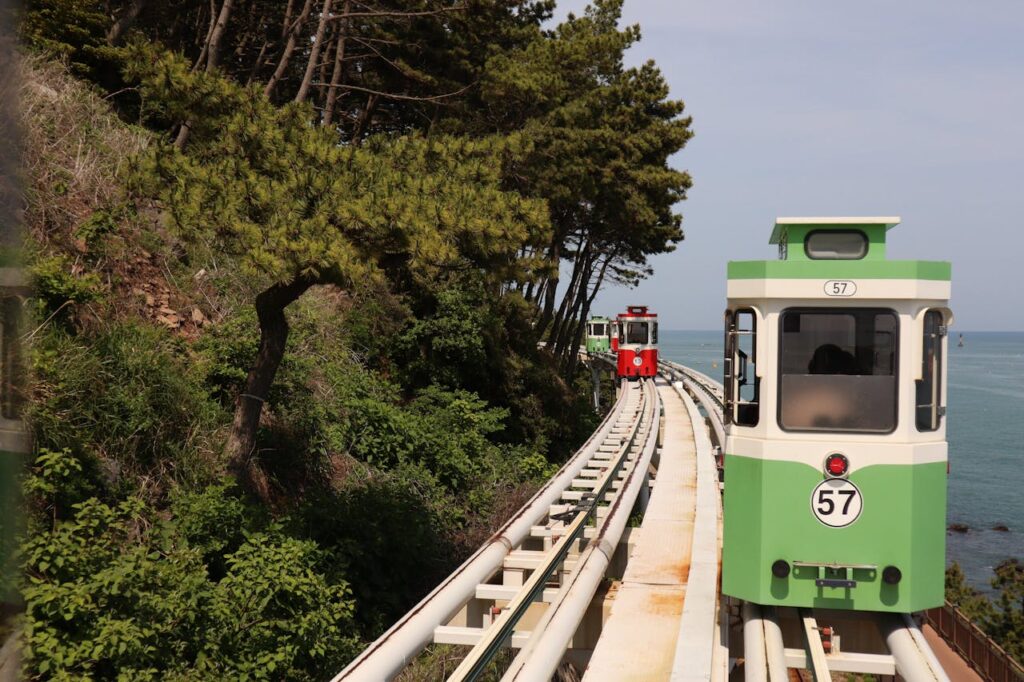
Coastal gem with Haeundae Beach, Gamcheon Culture Village, and fresh seafood.
Jeonju
Cultural hub boasting Jeonju Hanok Village, bibimbap, and traditional crafts—ideal for authentic Korean food and heritage.
Gyeongju
Ancient Silla capital with Bulguksa Temple, Seokguram Grotto, royal tombs, and Wolji Pond—perfect history stop between Seoul and Busan.
Jeju Island
A volcanic resort island popular with locals for nature and slow travel, featuring Hallasan volcano hikes, Seongsan Ilchulbong sunrise crater, lava tubes, waterfalls, beaches, and cafes.
Key Cultural and Historical Highlights
Cultural Practices
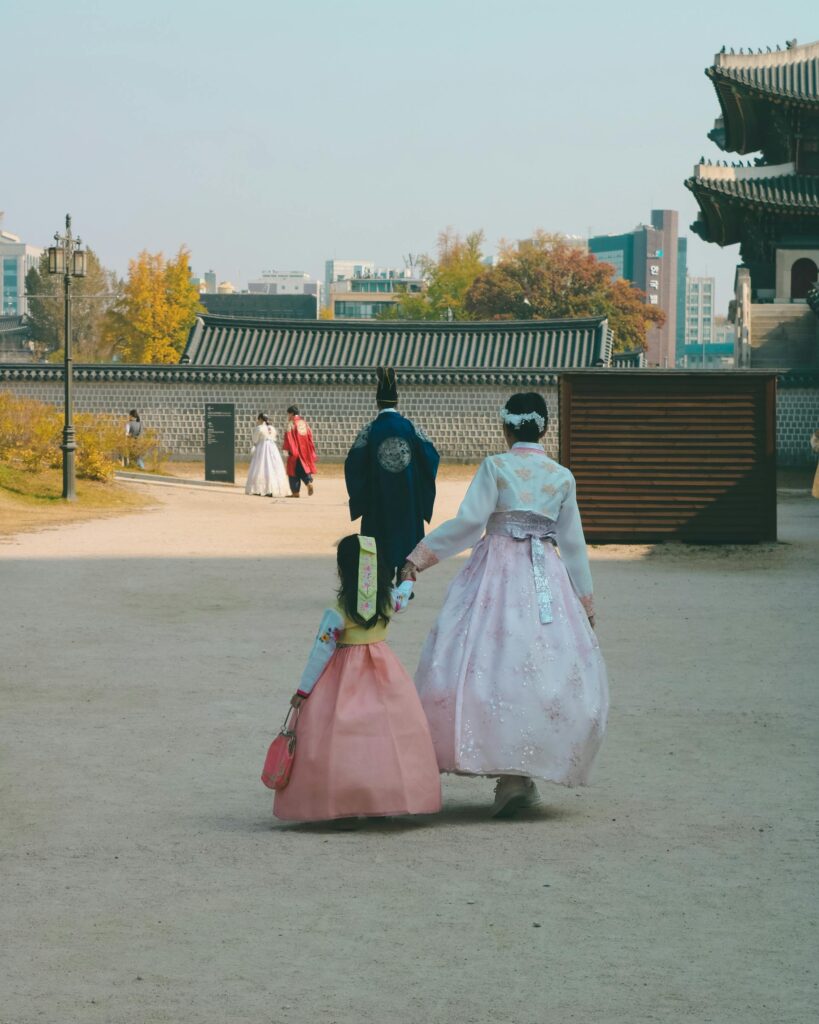
Hanbok (traditional clothing) wearing, K-pop and K-drama fandom, and traditional arts like pansori (musical storytelling).
Major Festival
Boryeong Mud Festival (July, beach and mud-based activities)
Seoul Lantern Festival (November)
Andong Mask Dance Festival (September-October, traditional performances) and more.
Seasonal Connection
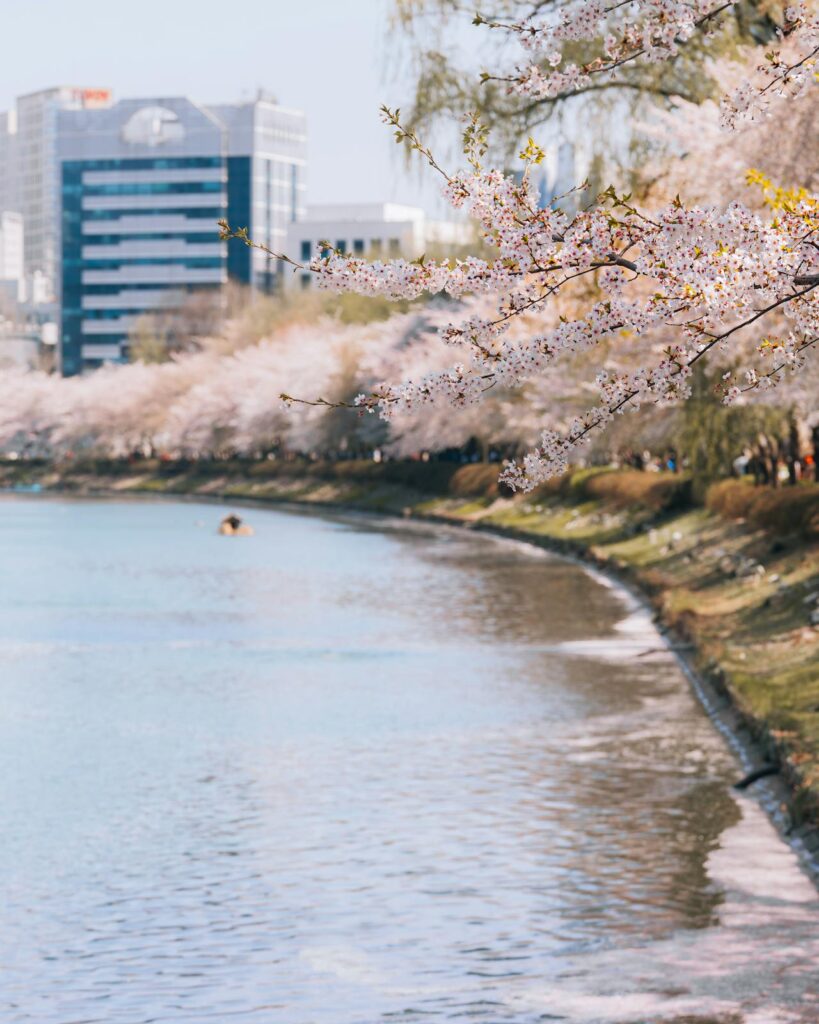
Cherry blossom season (March-April) attracts visitors to places like Jinhae and Yeouido for stunning floral displays.
UNESCO Sites
Hwaseong Fortress in Suwon, Seokguram Grotto and Bulguksa Temple in Gyeongju, Changdeokgung Palace Complex in Seoul etc.
Unique Experiences
Cherry Blossom Viewing
Join hanami in spring at Ueno Park (Tokyo) or Maruyama Park (Kyoto) for picnics under blooming trees
Hanbok Rental & Photoshoot
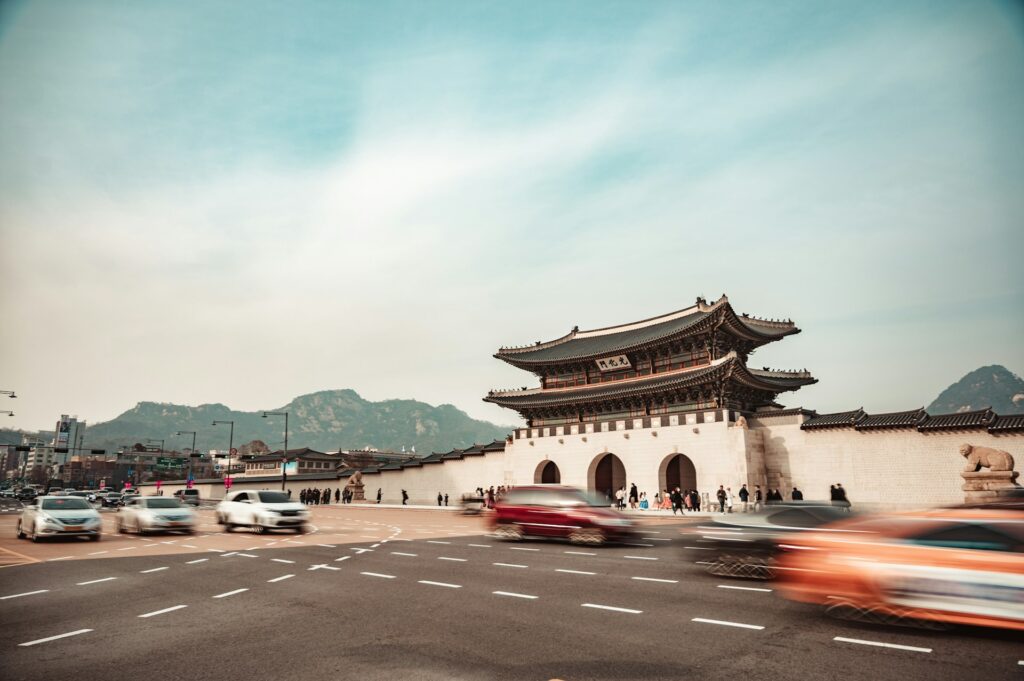
Rent traditional Korean hanbok dresses for free or low-cost entry to palaces like Gyeongbokgung in Seoul.
Jjimjilbang Spa Overnight
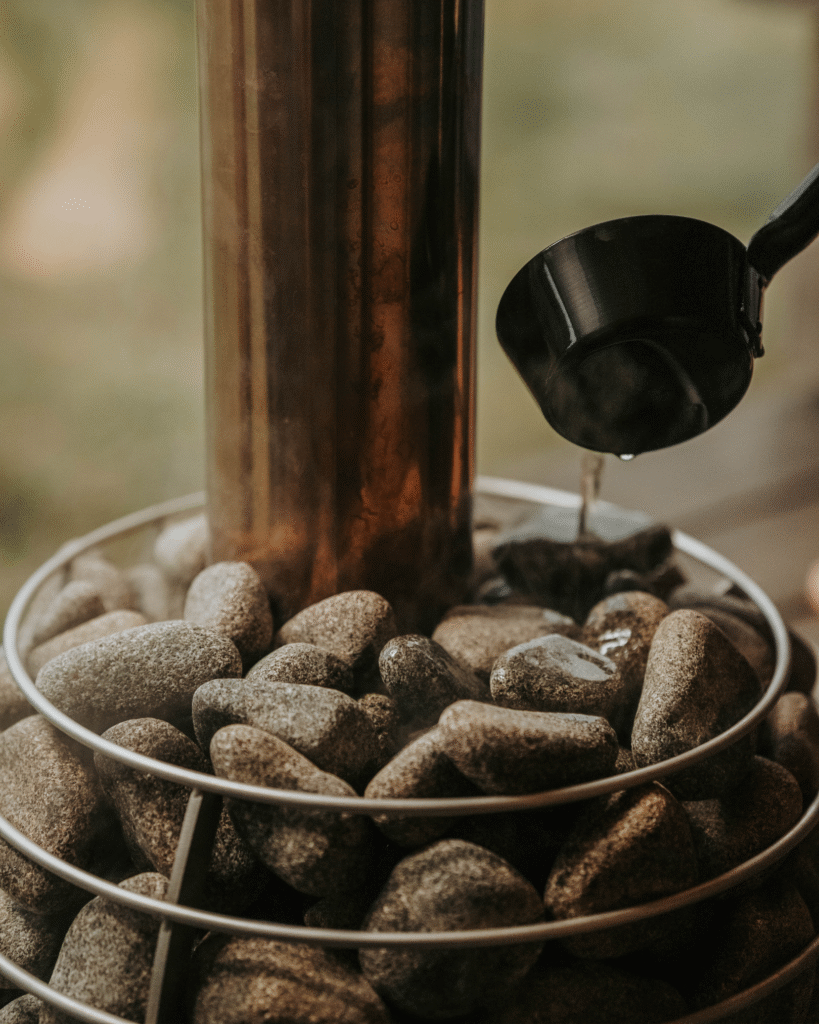
Relax 24/7 in Korean sauna complexes with hot/cold pools, saunas, massage rooms, and sleeping areas.
Temple Stay
Overnight at Buddhist temples like Golgulsa or Jingwansa for meditation, chants, tea ceremonies, and monk-led hikes. Wear robes, eat vegan temple food, and learn mindfulness.
Signature Food
¥500–1,000
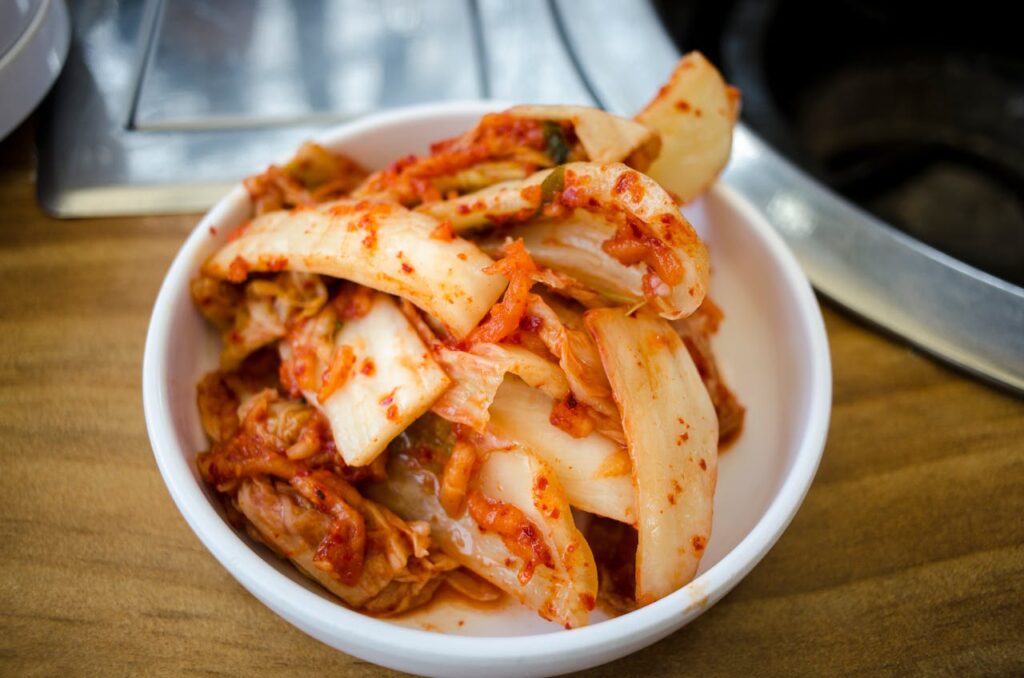
Kimchi
Fermented spicy cabbage side dish, probiotic-rich Korean staple.
¥500–1,000
Bibimbap
Bibimbap: Colorful mixed rice bowl with veggies, egg, gochujang sauce.
¥500–1,000
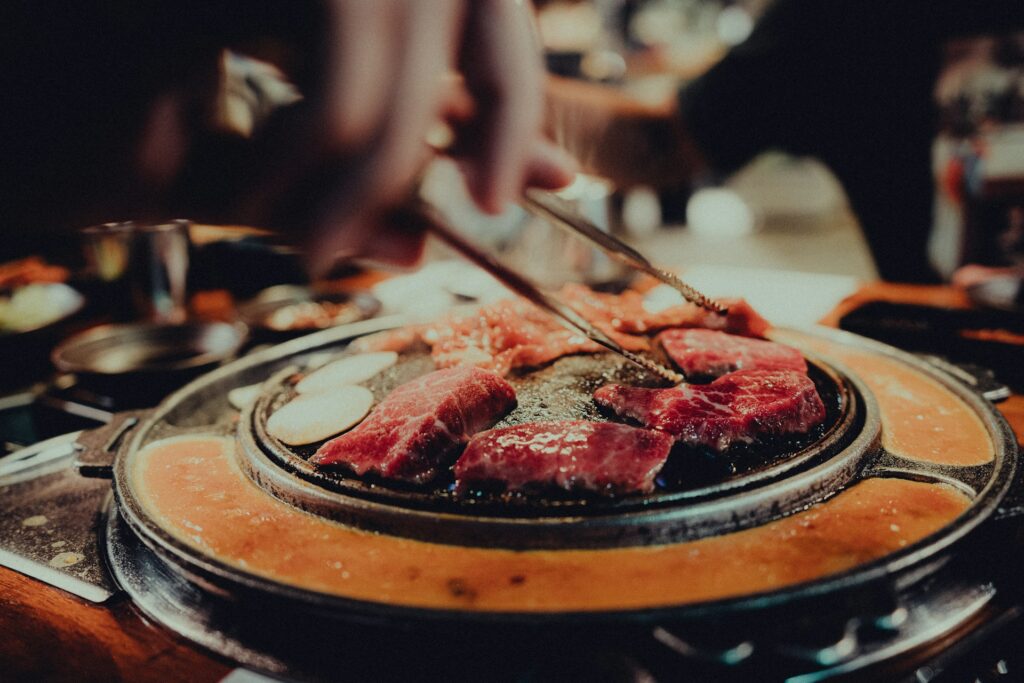
Korean BBQ
Grill beef/ pork belly slices tableside with banchan, wrap in lettuce.
¥500–1,000
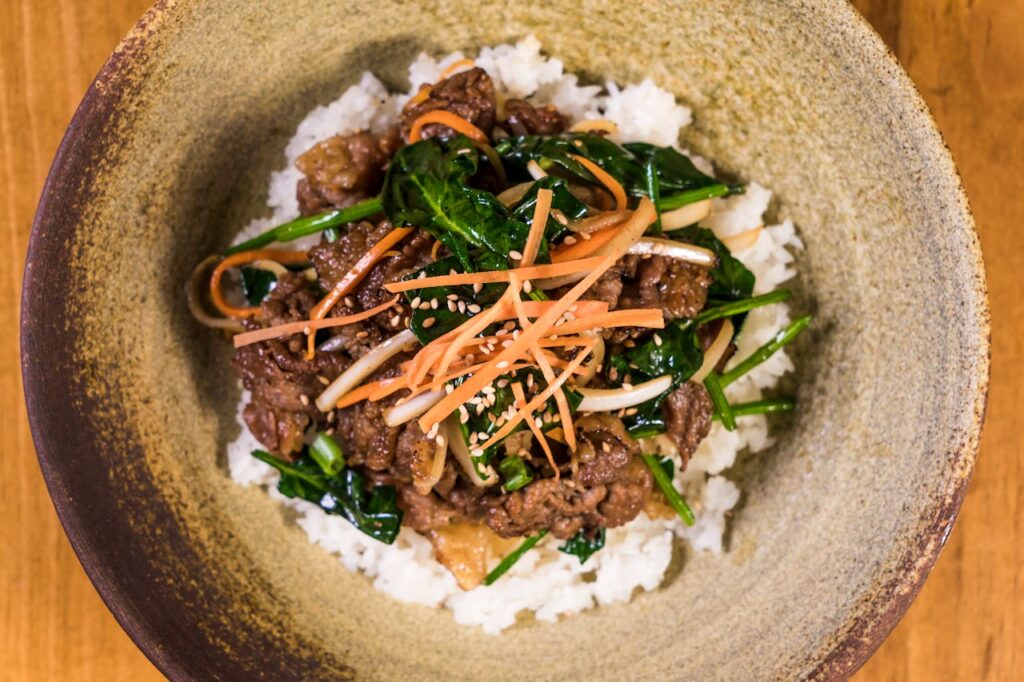
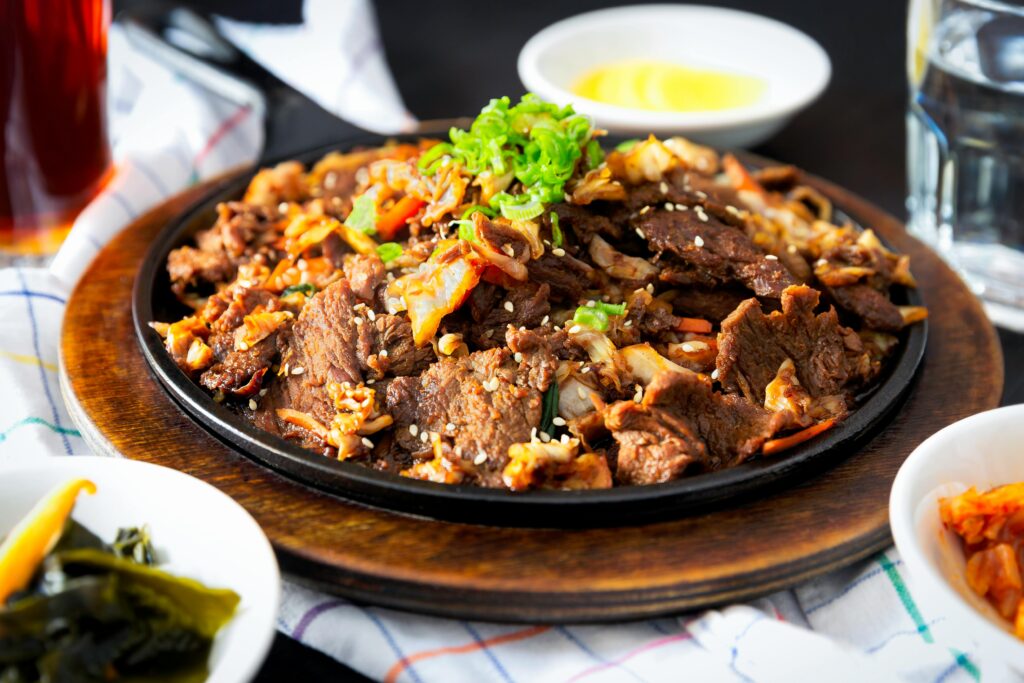
Bulgogi
Thinly sliced marinated grilled beef, sweet-savory Korean BBQ favorite.
¥500–1,000
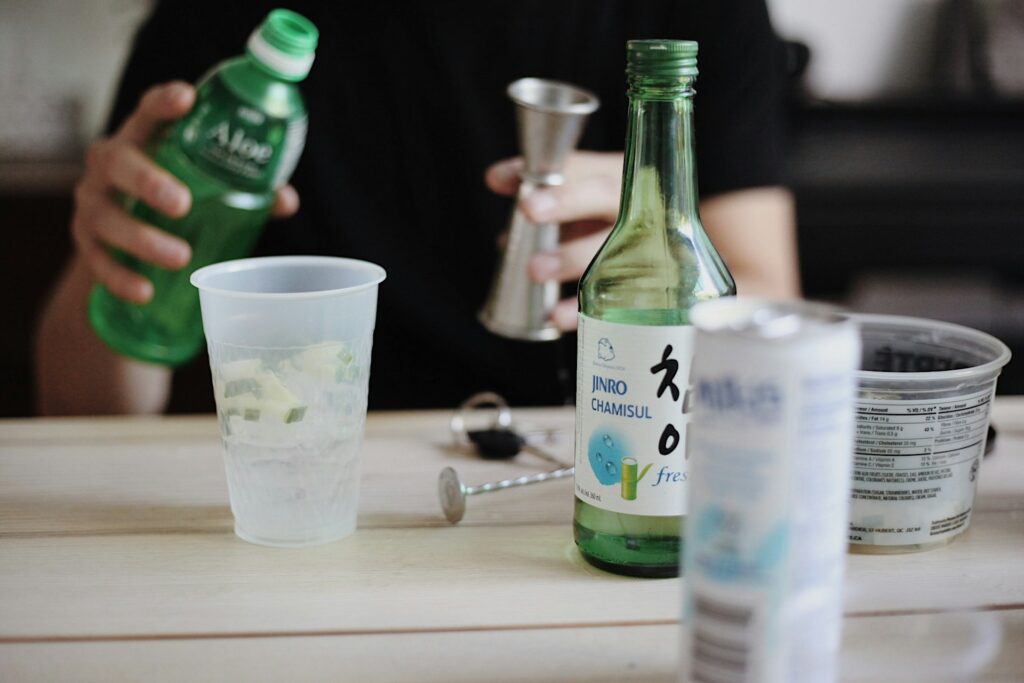
Soju
Clear distilled spirit, versatile shots for toasts and chasers.
Sample Itineraries
5-Day Highlights of South Korea Tour
A journey of contrasts moving from the modern vibrancy and ancient palaces of Seoul through Korea’s UNESCO World Heritage treasures, historic villages, coastal cities, and stunning natural landscapes in Mt. Seorak National Park. Featuring Baekje historic areas, Joseon-era temples and villages, bustling seafood markets, and biosphere reserves.
Capture the iconic UNESCO-listed sites like the Tomb of King Muryeong and Gongsanseong Fortress in Gongju
Indulge in fresh seafood at Busan’s Jagalchi Market and relax on Haeundae Beach
Immerse yourself in the preserved Joseon Dynasty architecture at Andong Hahoe Folk Village (UNESCO), a living traditional community.
Marvel at the serene beauty of Bulguksa Temple and Seokguram Grotto (UNESCO) overlooking Gyeongju’s ancient heritage
Visit Jinjuseong Fortress and the elegant Chokseoknu Pavilion, tied to historic battles against invasions
Arrive in vibrant Busan; dive into Jagalchi Fish Market, Korea’s largest seafood market, for fresh catches and street eats.
Stroll Haeundae Beach and Dongbaek Park for ocean breezes and scenic coastal walks
Proceed to Gyeongju
Day 4: Temples & Traditional Villages (Gyeongju → Andong → Pyeongchang)
Explore the magnificent Bulguksa Temple (UNESCO) with its exquisite architecture and serene grounds
Visit nearby Seokguram Grotto (UNESCO), home to a stunning granite Buddha statue overlooking the sea
Travel to Andong Hahoe Folk Village (UNESCO), wandering preserved tile- and thatched-roof homes in a living Joseon-era community (once visited by Queen Elizabeth II).
Head to Pyeongchang area
Day 5: Mountain Peaks & Departure (Pyeongchang → Mt. Seorak → Seoul)
Venture into Mt. Seorak National Park (UNESCO Biosphere Reserve), admiring dramatic rock formations, waterfalls, and jade-green valleys
Optional cable car ride to Gwongeumseong Fortress for panoramic views and a visit to nearby Shinheungsa Temple
Transfer back to central Seoul by late afternoon, concluding with memories of Korea’s diverse heritage
7-Day Grand Tour of South Korea
A captivating journey blending the dynamic energy of Seoul with ancient Joseon palaces and UNESCO treasures, serene temples, traditional folk villages, vibrant coastal cities, lush green tea fields, and dramatic mountain landscapes. Featuring royal heritage, Silla Kingdom sites, fresh seafood markets, and natural wonders.
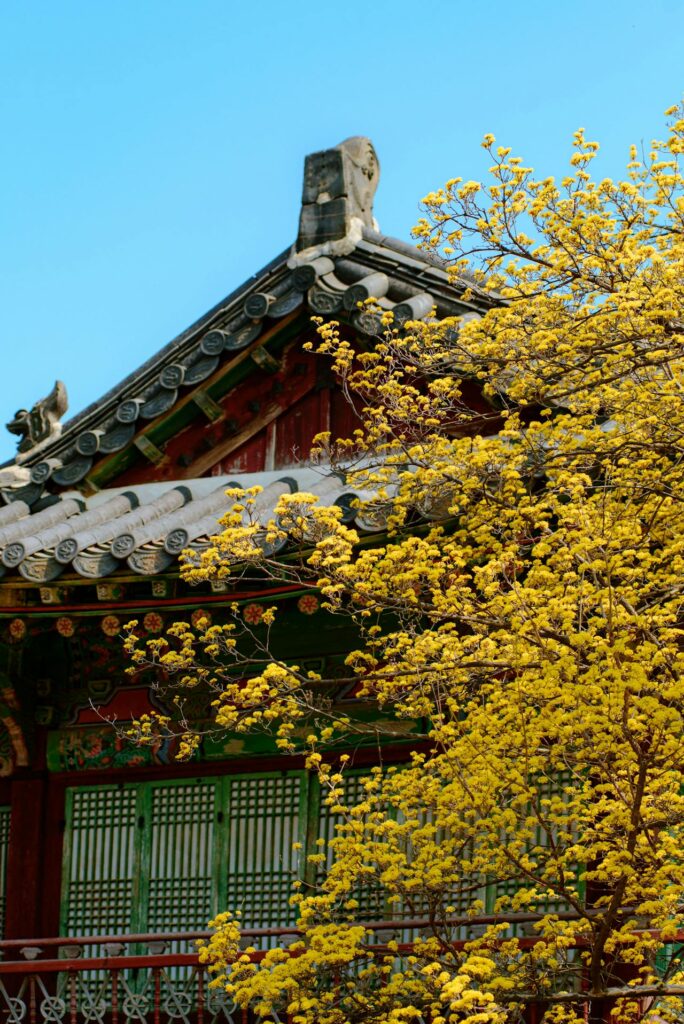
Capture the grandeur of Gyeongbokgung Palace, Seoul’s iconic royal residence set against modern skyscrapers
Wander the preserved hanok houses of Jeonju Hanok Village, tasting Korea’s famous bibimbap
Marvel at the architectural masterpiece of Bulguksa Temple and the serene Seokguram Grotto (UNESCO sites) in Gyeongju
Stroll through the rolling green tea plantations of Boseong, a symbol of Korea’s tea culture. Relax on the lively shores of Haeundae Beach in Busan, with fresh seafood and neon-lit nightlife
Ideal for cherry blossom viewing in Seoul, Jinhae, and Jeju Island, with mild weather (10-20°C).
Perfect for cultural festivals and hiking.
June to August (Summer)
Great for beach trips to Jeju or Busan, summer festivals like Boryeong Mud Festival, though hot and humid (25-35°C). Monsoon season (late June-July) may affect outdoor plans.
September to November (Autumn)
Prime for autumn foliage in Seoraksan and Naejangsan, K-pop concerts, and mild temperatures (15-25°C).
December to February (Winter)
Best for winter sports in Pyeongchang, Seoul’s winter illuminations, and cultural events, with cold weather (0-10°C).
Summary Notes
March to May and September to November are ideal for cultural and outdoor activities; June to August for beach and festival experiences; and December to February for winter adventures. South Korea’s diverse seasons cater to all interests.
Travel Practicalities
Visa and Entry Requirements
Visa-free entry for up to 90 days for many nationalities (e.g., US, EU, Canada); passports must be valid for at least six months.
Check South Korea’s Ministry of Foreign Affairs or K-ETA (Korea Electronic Travel Authorization) for updates.
Currency
Official Currency: South Korean Won (KRW)
Usually Accepted Currencies: US Dollar (USD); KRW is required for most transactions, including markets, small vendors, and public transport.
Exchange money at airports, banks, or convenience store ATMs (e.g., Shinhan, Woori). International cards are widely accepted in cities.
Language
Korean is the official language;
English is common in tourist areas like Seoul and Busan but limited elsewhere.
Local Transportation
Domestic Flight
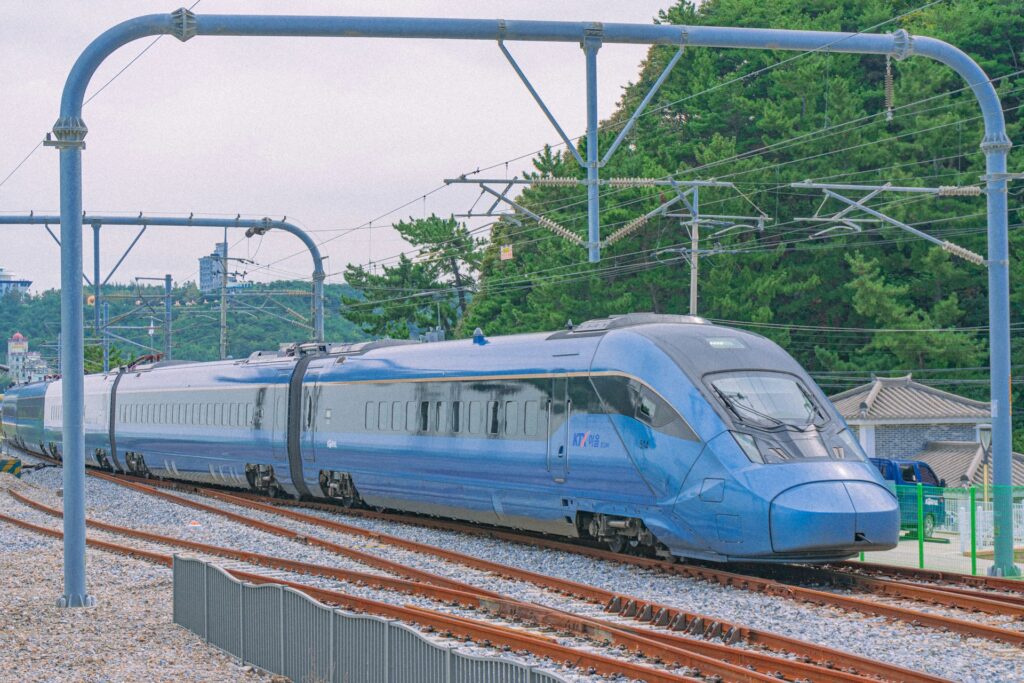
KTX High-Speed Trains
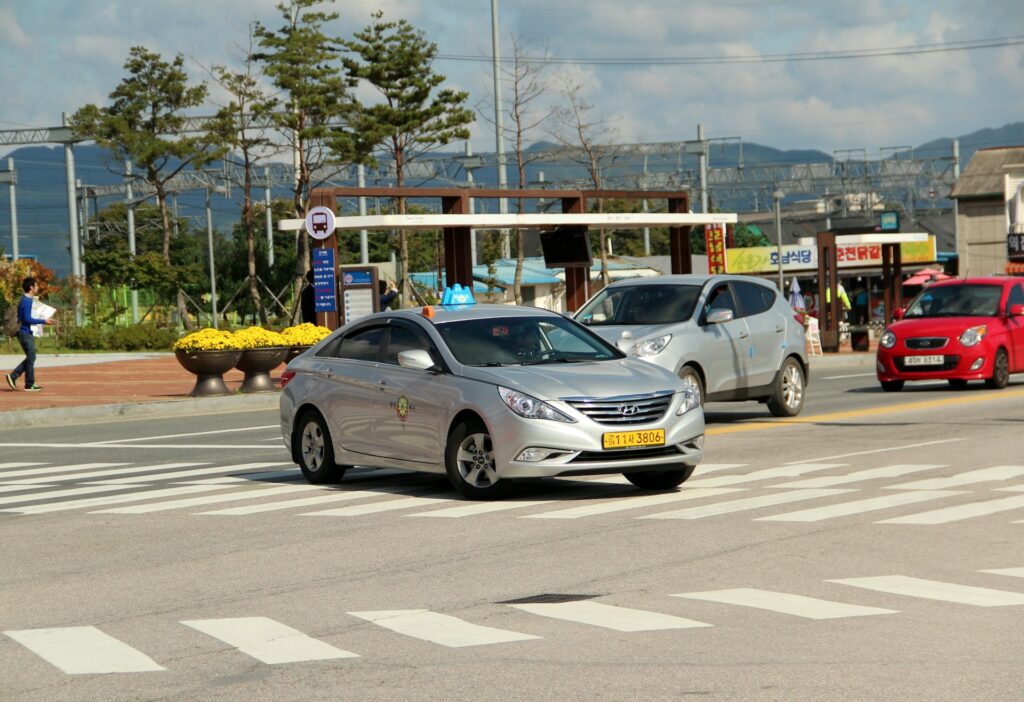
Taxi/ Uber
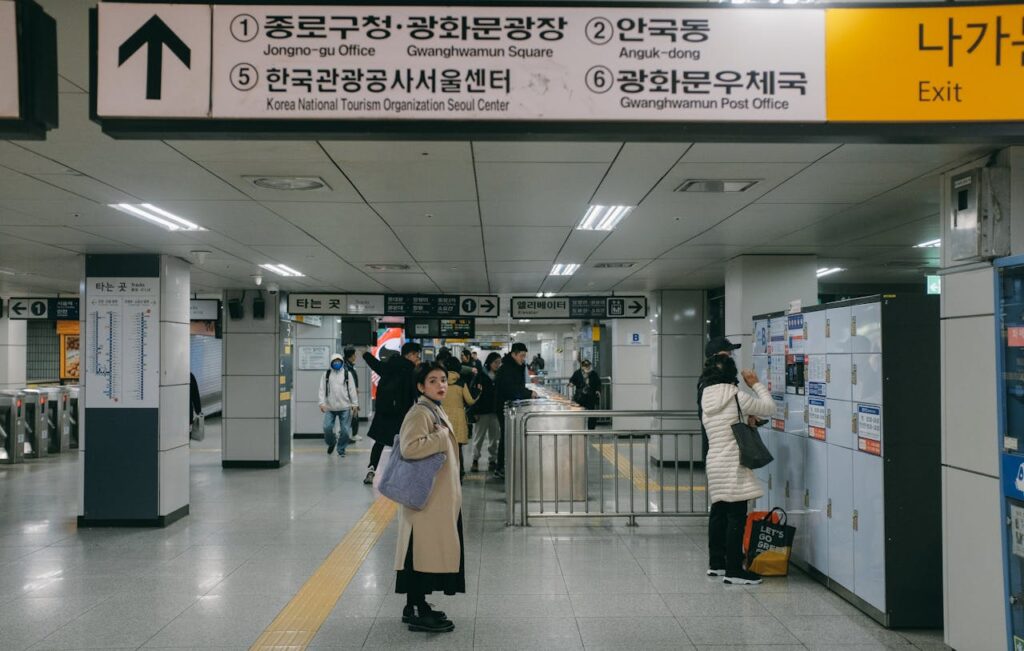
Subways
Car Rental
Local Tips and Culture
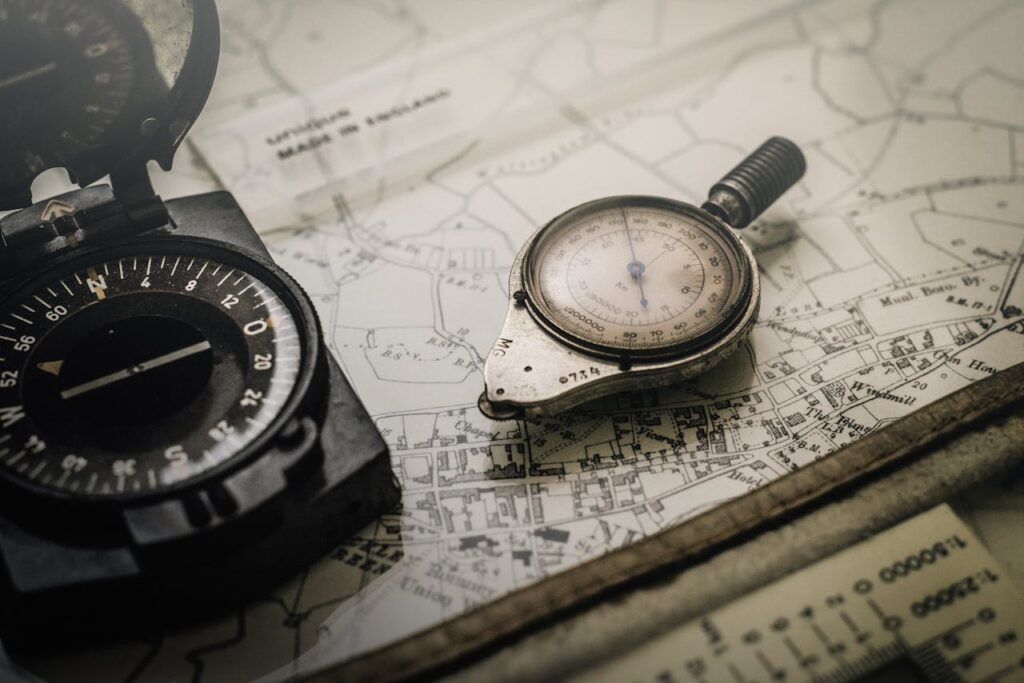
Naver Map is more reliable than Google Map in Korea
Tipping is not customary
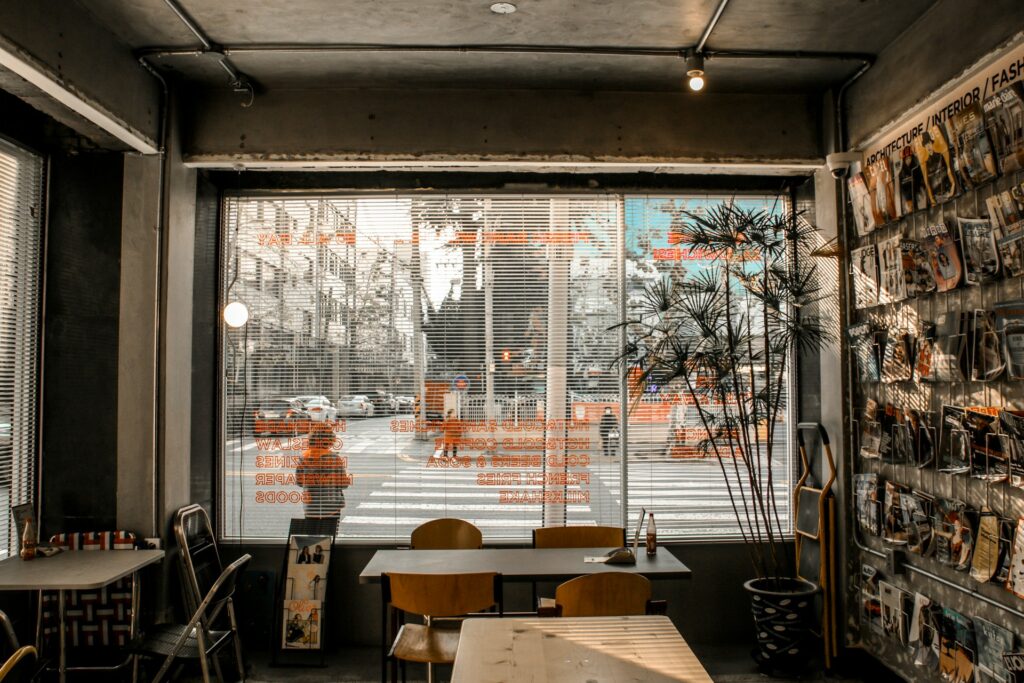
Cafés and convenience stores are everywhere; use them for quick snacks and rest breaks.
Safety and Practical Tips
Safe to explore
South Korea is very safe; beware of minor scams in tourist-heavy areas like Myeongdong.
Follow local etiquette (e.g., bow slightly when greeting).
Health Precautions
No vaccinations required for most travelers. Pharmacies are widely available; carry a translation app for medical needs.