SOCOTRA

Introduction

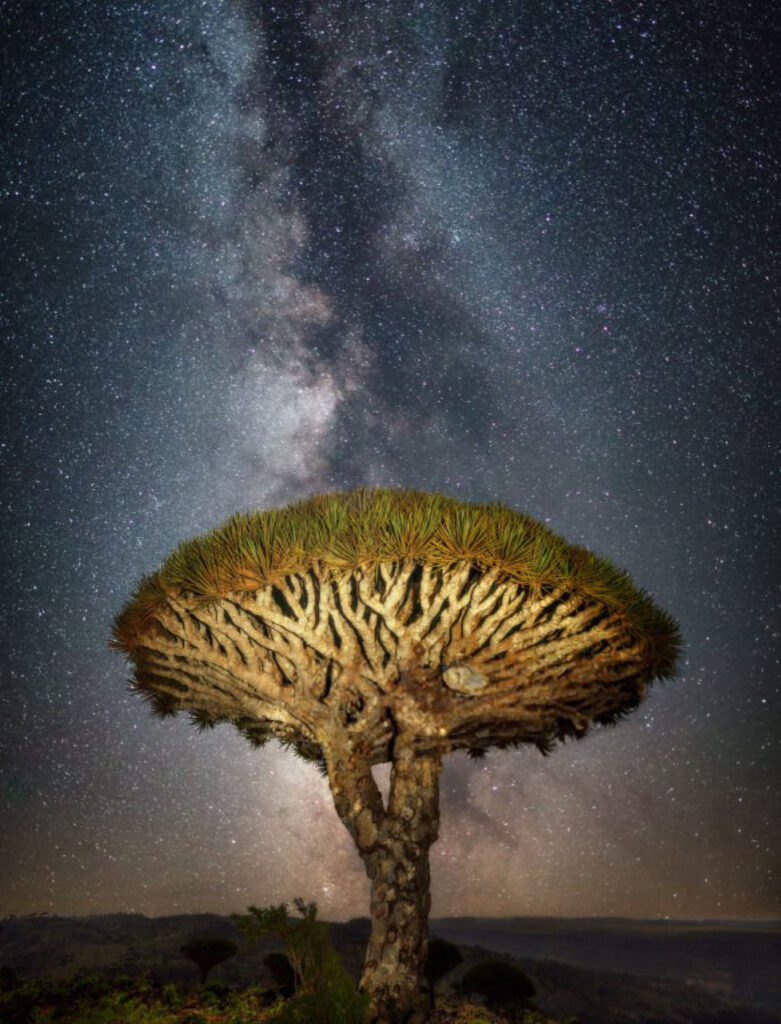
An otherworldly archipelago in the Arabian Sea, Socotra blends surreal landscapes with unparalleled biodiversity, earning it the nickname “Galápagos of the Indian Ocean.” Part of Yemen but isolated from mainland conflicts, it features ancient Dragon’s Blood Trees, pristine beaches, dramatic canyons, and endemic species found nowhere else. From the bustling capital Hadiboh to remote plateaus and lagoons, Socotra offers raw adventure, cultural immersion in Socotri traditions, and eco-tourism amid UNESCO-protected wonders.

Top Regions to Explore

Qalansiyah

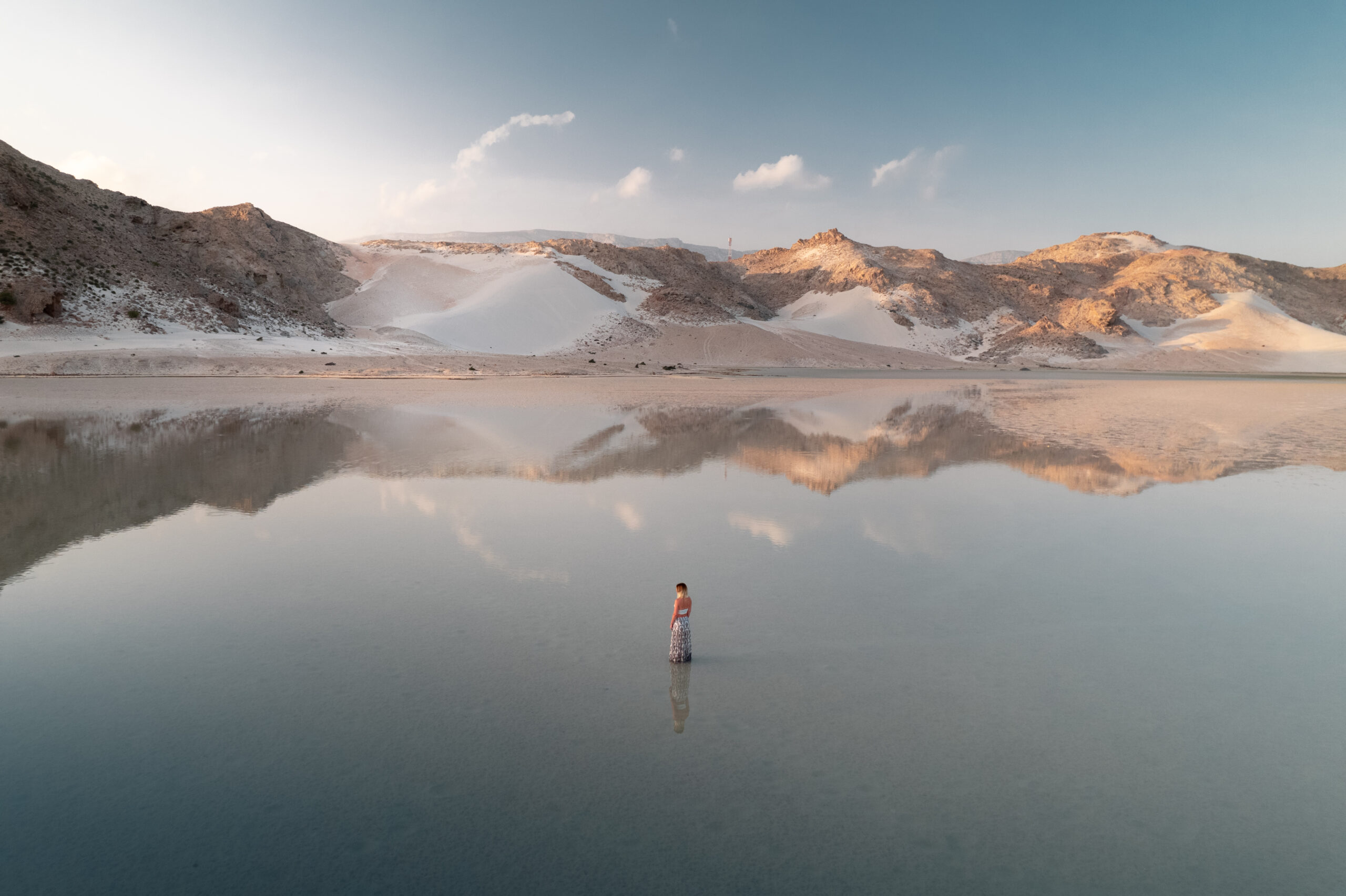
Northwestern fishing town boasting Detwah Lagoon’s turquoise waters, white sands, and dramatic cliffs ideal for camping and dolphin spotting.

Ancient Caves

Socotra is home to several ancient cave systems, primarily formed from limestone, offering archaeological significance with inscriptions, formations, and historical artifacts.

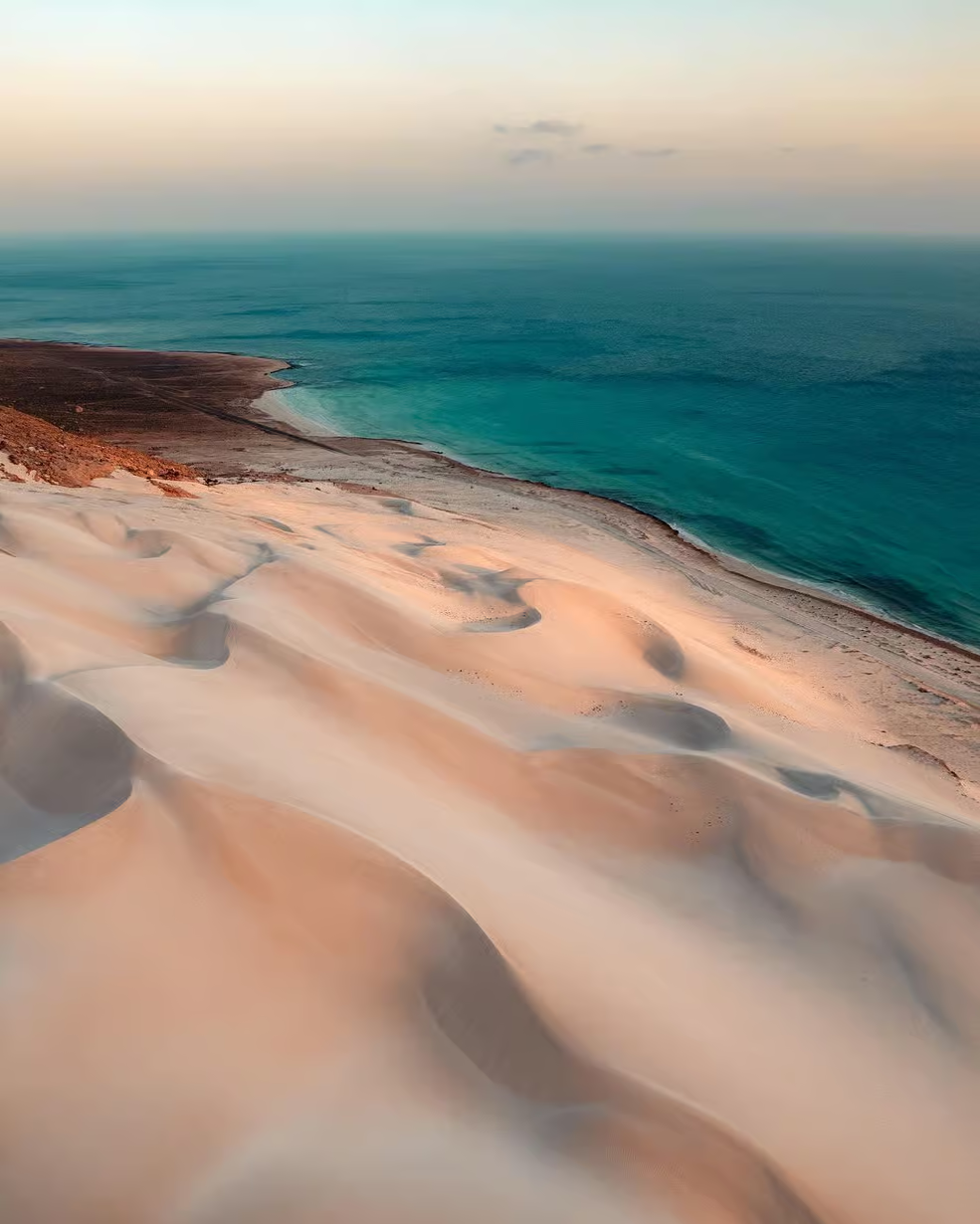
Arher Beach

Eastern sands where towering dunes meet the sea; climb for panoramic views, camp under stars, and swim in natural pools.

Diksam Plateau

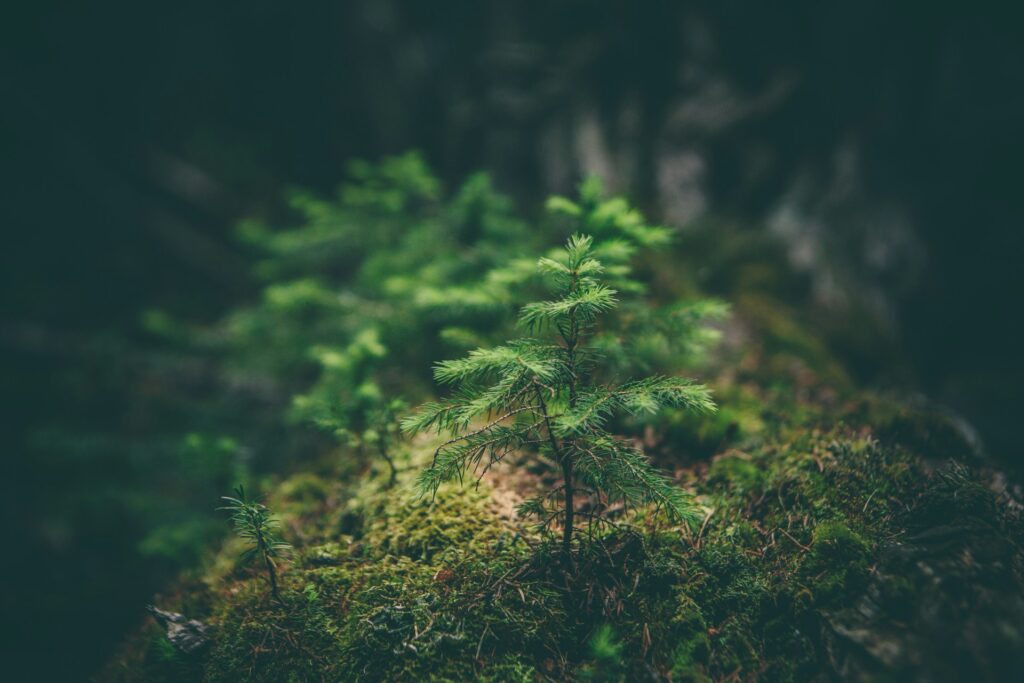
This central area is the largest dense forest of Dragon’s Blood trees, offering dramatic views of the gorge, especially from the limestone plateau. It is often visited for hiking, picnicking, and viewing the unique landscape.

Homhil Plateau

Located further east, this area is unique for having a high concentration of not just Dragon’s Blood trees, but also endemic Bottle Trees and Frankincense trees.

Key Cultural and Historical Highlights

Cultural Practices

Hospitality central; accept tea/dates with right hand. Remove shoes indoors/mosques; modest dress (cover shoulders/knees). Nazar amulets protect from evil eye.

Major Festival

  • Eid al-Fitr & Eid al-Adha: The most significant, celebrated with traditional, social, and religious customs.
  • Qalansiyah Cultural Heritage Festival: A specific event promoting Socotri heritage, music, and traditions.
  • Flowering Season (Feb–Mar): While not a formal festival, the blooming of the Dragon’s Blood trees and other unique plants is a major natural event.

Seasonal Connection

Monsoon transforms landscapes for picnics; winter evenings for qahwa in villages. Socotri poetry and folklore shared year-round.

UNESCO Sites

Socotra Archipelago (natural heritage) for endemic species; cultural links via traditional practices like dragon’s blood harvesting.

Unique Experiences

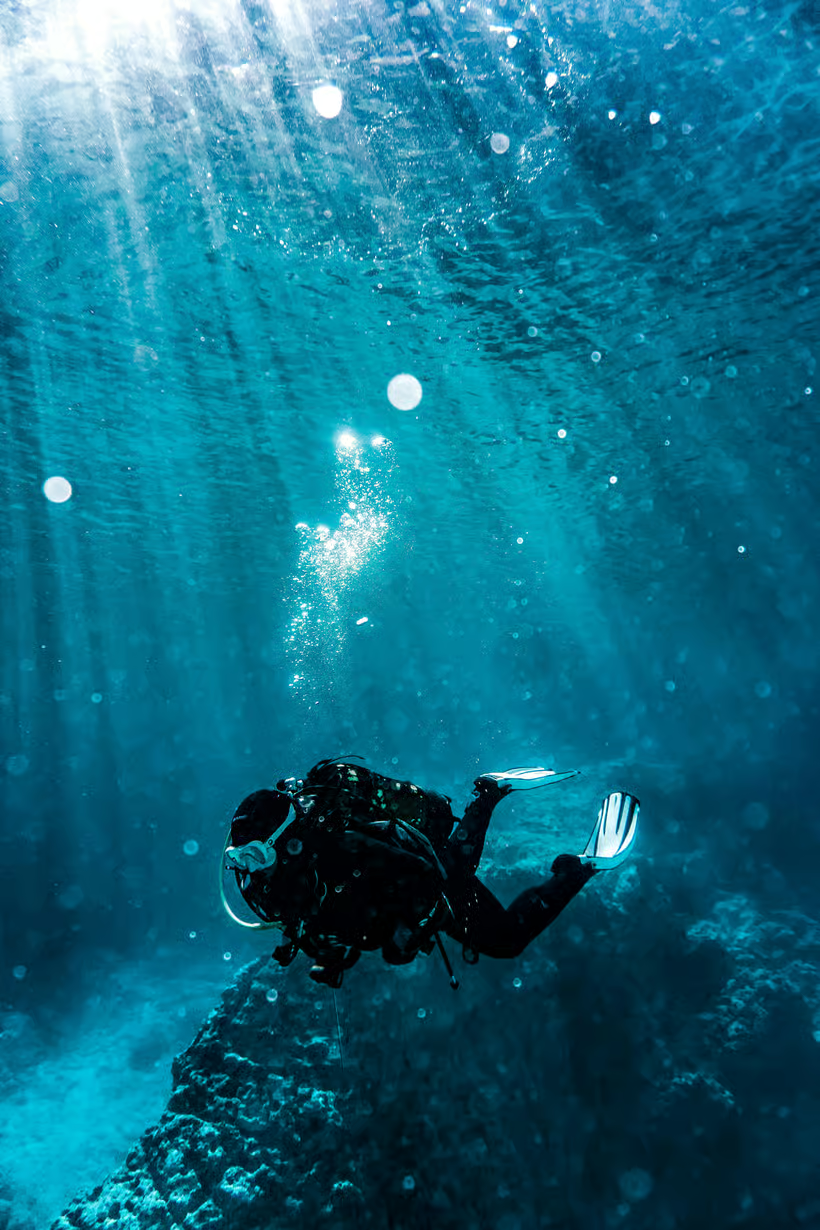
Snorkeling Dihamri Marine Protected Area

Diving in pristine coral reefs and enchanting sea caves

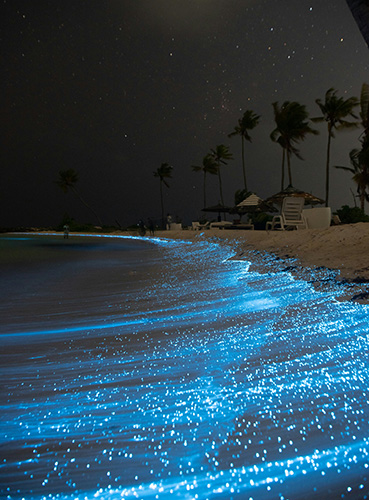
Watching Bioluminescence

Witness the magical glow of bioluminescent marine life lighting up the night waters in a natural light show.

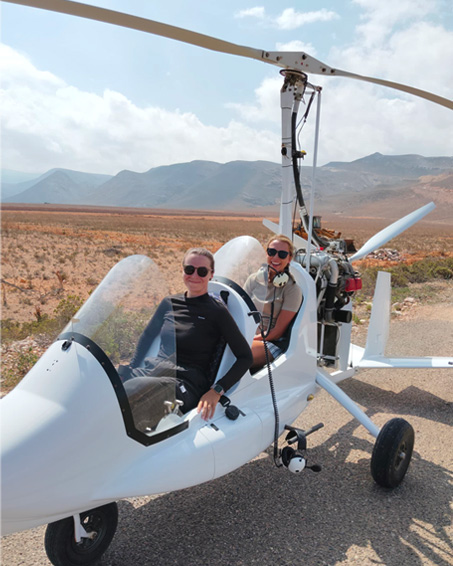
Flying the Gyrocopter

Embark on an aerial adventure soaring over Socotra's otherworldly landscapes, capturing stunning panoramic views from above.

Climbing Arher Sand Dunes

Scale massive white dunes for ocean-meets-desert views; slide down for thrills and camp nearby.

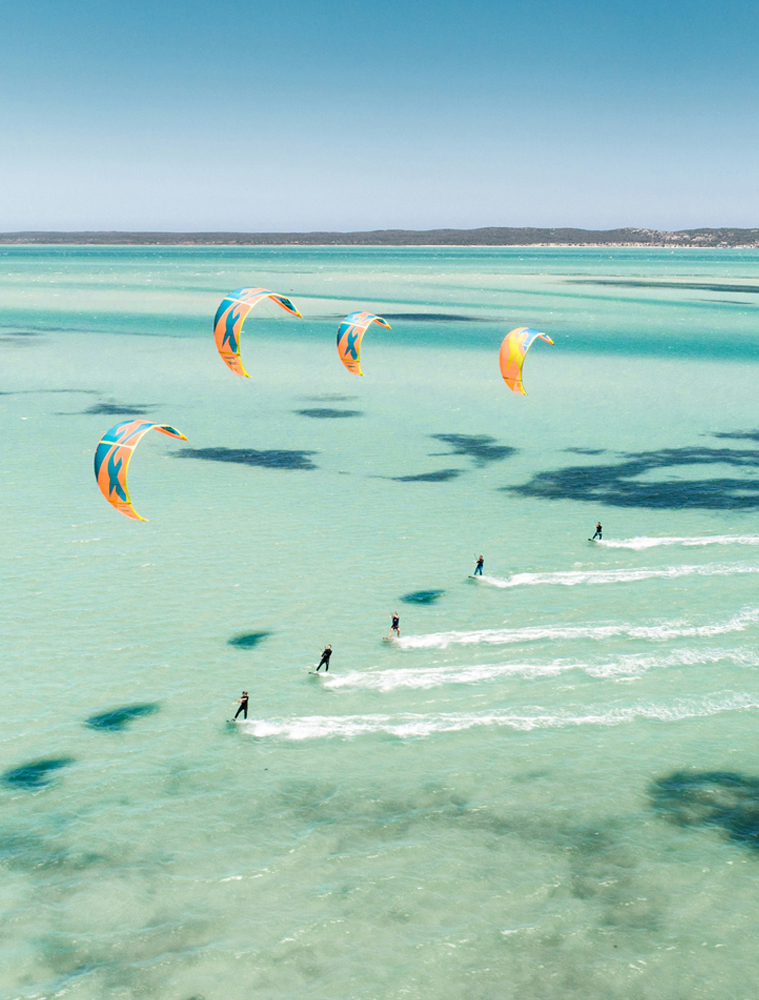
Kitesurfing in the Lagoon

Ride the winds and waves for an exhilarating kitesurfing experience in the crystal-clear waters of Detwah Lagoon.

Stargazing

Camp in remote spots to observe millions of stars twinkling in Socotra's minimally light-polluted night skies.

Signature Food

Sample Itineraries

7-Day Socotra Adventure:

A week-long expedition through the strangest island on Earth. This route covers the essential Dragon’s Blood forests, white sand dunes, crystal-clear wadis, and marine protected areas, all while camping under the Milky Way.

  • Dragon Blood Trees: Walk through the prehistoric Fermhin Forest.
  • Dune Climbing: Scale the massive white dunes of Arher.
  • Canyon Swimming: Float in the freshwater pools of Wadi Dirhur.
  • Cave Exploration: Hike into the depths of Hoq Cave.

Day 1: Arrival & Detwah Lagoon

  • Arrive at Socotra Airport (SCT) from Abu Dhabi.
  • Meet your local guide and driver.
  • Drive to Detwah Lagoon on the northwest coast.
  • Walk on the white sandbars and swim in the turquoise water.
  • Camp at Detwah Lagoon beach.

Day 2: Boat Trip to Shuaab & Qalansiyah

  • Morning boat ride to Shuaab Beach (watch for spinner dolphins).
  • Snorkel in the pristine waters and relax on the deserted beach.
  • Return by boat to Qalansiyah.
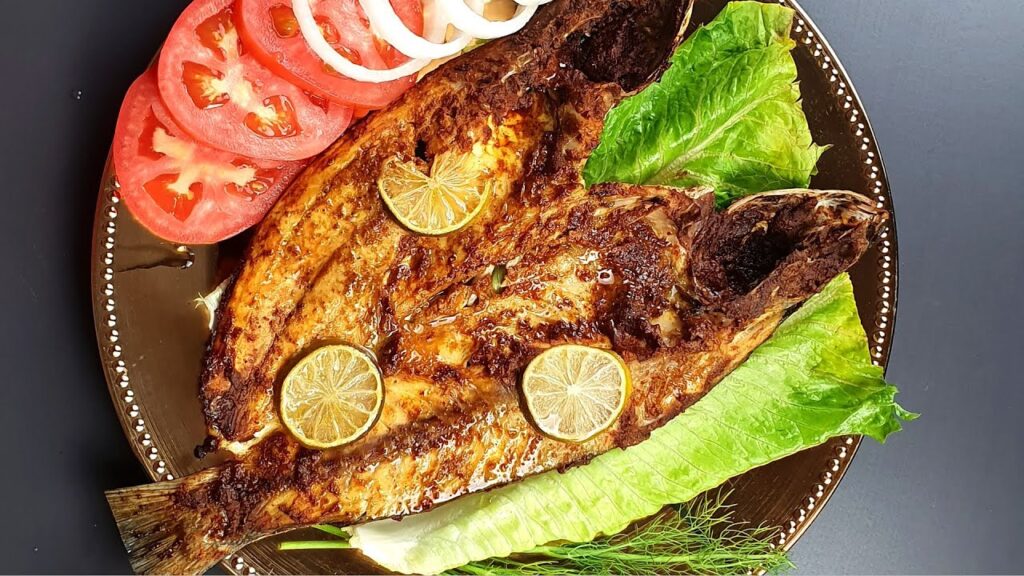
  • Meet “Caveman” Abdullah for a fresh seafood lunch.
  • Sunset at the Detwah viewpoint.

Day 3: Dixam Plateau & Dragon’s Blood Forest

  • Drive up to the Dixam Plateau in the center of the island.
  • Explore the Fermhin Forest, the largest density of Dragon’s Blood trees.
  • Drive down into the Wadi Dirhur canyon.
  • Swim in the freshwater rock pools surrounded by cliffs.
  • Camp in the wadi or on the plateau.

Day 4: Southern Coast & Zahek Dunes

  • Drive south to the Noged coast (Indian Ocean side).
  • Visit the Dagub Cave.
  • Explore the Hayf and Zahek sand dunes, stretching into the sea.
  • Relax on the astonishingly quiet Aomak beach.
  • Camp on the southern beaches.

Day 5: Homhil Infinity Pool & Arher

  • Drive to Homhil Protected Area.
  • Hike through Bottle Trees and Cucumber Trees.
  • Swim in the Natural Infinity Pool with views over the ocean.
  • Drive to Arher Beach on the northeast tip.
  • Camp at Arher, nestled between huge dunes and the sea.

Day 6: Hoq Cave & Ras Erisse

  • Early morning hike up to Hoq Cave (approx. 1.5 – 2 hours).
  • Explore the massive stalactites and formations inside (bring a headlamp).
  • Drive to Ras Erisse, the easternmost point of the island.
  • Visit the meeting point of the Arabian Sea and Indian Ocean.
  • Climb the Arher dunes for sunset.
  • Final celebratory dinner and camping at Arher.

Day 7: Hadibo & Departure

  • Drive to Hadibo, the capital, for a quick visit or souvenir shopping (honey/incense).
  • Transfer to Socotra Airport for the flight back to Abu Dhabi.

Day Trips and Nearby Attractions

Hakone

~1.5 hours by train

Kamakura

~1 hours by train

Yokohama

~30 minutes by train

Best Time to Visits by Activities

April to June (Spring)

Warm for hiking plateaus and beaches; blooming bottle trees, but increasing winds. Highlight: Dragon's Blood Tree forests in full view before monsoon.

July to August (Summer)

Monsoon winds bring cooler south, rough seas; ideal for windsurfing but limited access. Highlight: Lush greenery from rains, fewer tourists.

September to October (Autumn)

Calming winds for coastal exploration; warm but navigable seas. Highlight: Post-monsoon vibrant landscapes with clear skies.

November to March (Winter)

Mild, dry weather perfect for trekking, snorkeling, and festivals. Highlight: Bottle tree blooms in March, optimal biodiversity spotting.

Summary Notes

October to April provides the best balance for outdoor activities and mild weather; avoid June-September monsoon unless seeking windy adventures.

Travel Practicalities

Visa and Entry Requirements

  • Socotra Visa: Arranged via tour operator; $150 fee, valid 30 days. Requires passport scan; not available on arrival.

  • Requirements: Passport valid 6+ months; no Israel stamps. Mainland Yemen visa separate if needed.

Currency

  • Official Currency: Yemeni Rial (YER)
  • USD widely accepted

  • Bring cash as ATMs unreliable.

  • Cash: Essential for tips, souvenirs

  • Cards: rarely used.

Language

  • Official language: Socotri (unique Semitic) & Arabic

  • English limited to guides/tourist areas

Local Transportation

Local Tips and Culture

Expect to be offline. There is practically no mobile roaming. SIM cards (Etisalat) are sometimes available but unreliable. Embrace the digital detox.

Bring a solar charger or power bank. Charging is limited to car inverters while driving.

While your tour is all-inclusive, tipping your local crew (driver, guide, cook) is customary and highly appreciated. Bring around $100-$150 USD per person in small denominations for a week-long trip.

Safety and Practical Tips

Safe to explore

Low crime for guided tourists; avoid solo travel, Avoid Yemen borders. Use reputable operators.

Health Precautions

Drink bottled water; pharmacies sparse. Heat/sun protection; travel insurance essential.

Emergency

All Emergencies: (199); Tourist Assistance: Contact guide or tour operator.