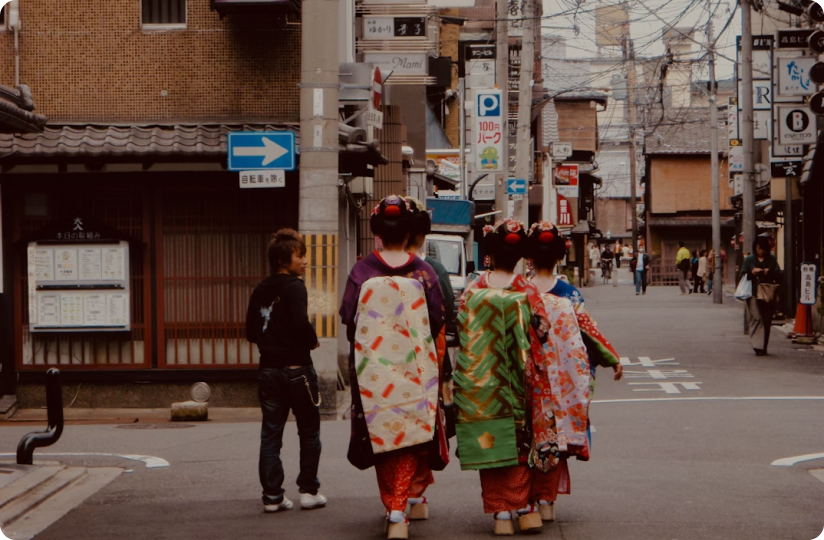
Japan, the Land of the Rising Sun, is a captivating blend of ancient traditions and cutting-edge modernity.
From Kyoto’s serene temples to Tokyo’s neon-lit skyline, Japan offers a rich tapestry of cultural heritage, stunning landscapes, and innovative cuisine. Spanning volcanic islands, cherry blossom-lined paths, and rugged coastlines, Japan enchants travellers with its unique mix of history, nature, and futuristic charm.
Foodie haven with Dotonbori and Universal Studios Japan
Kyoto
Cultural heart with Kinkaku-ji and Fushimi Inari Shrine
Hiroshima
Peace Memorial and nearby Miyajima’s floating shrine
Hokkaido
Winter sports and seafood in Sapporo; summer lavender fields in Furano
Key Cultural and Historical Highlights
Cultural Practices
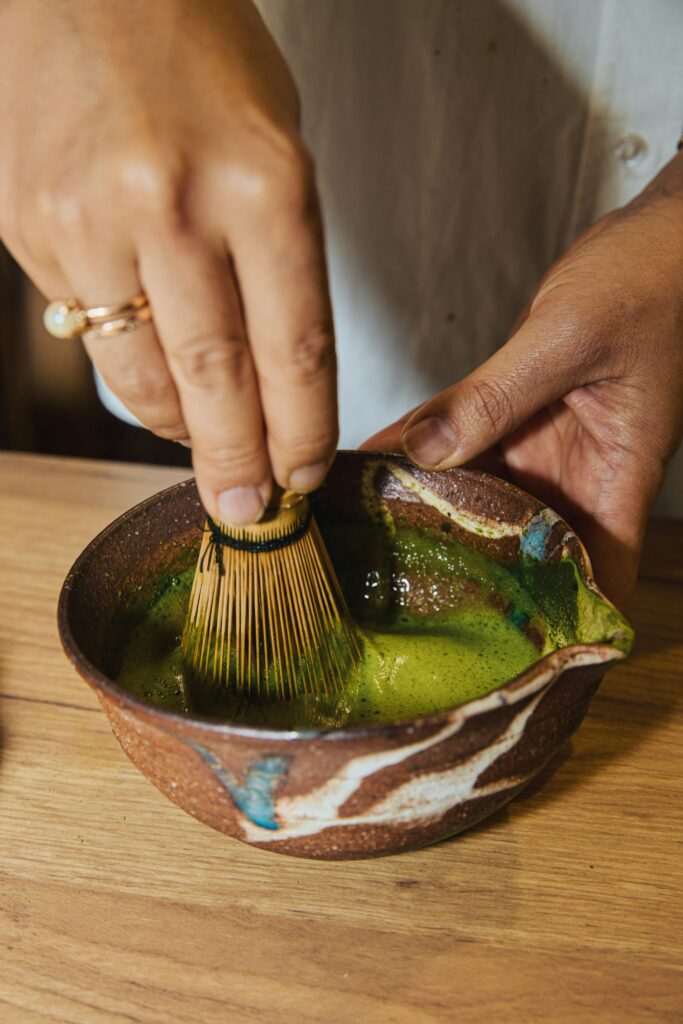
Tea ceremonies, calligraphy, and traditional arts like kabuki; vibrant pop culture with anime and J-pop
Major Festival
Gion Matsuri in Kyoto (July, grand parades)
Tanabata Star Festival (July/August)
and Sapporo Snow Festival (February)
Seasonal Connection
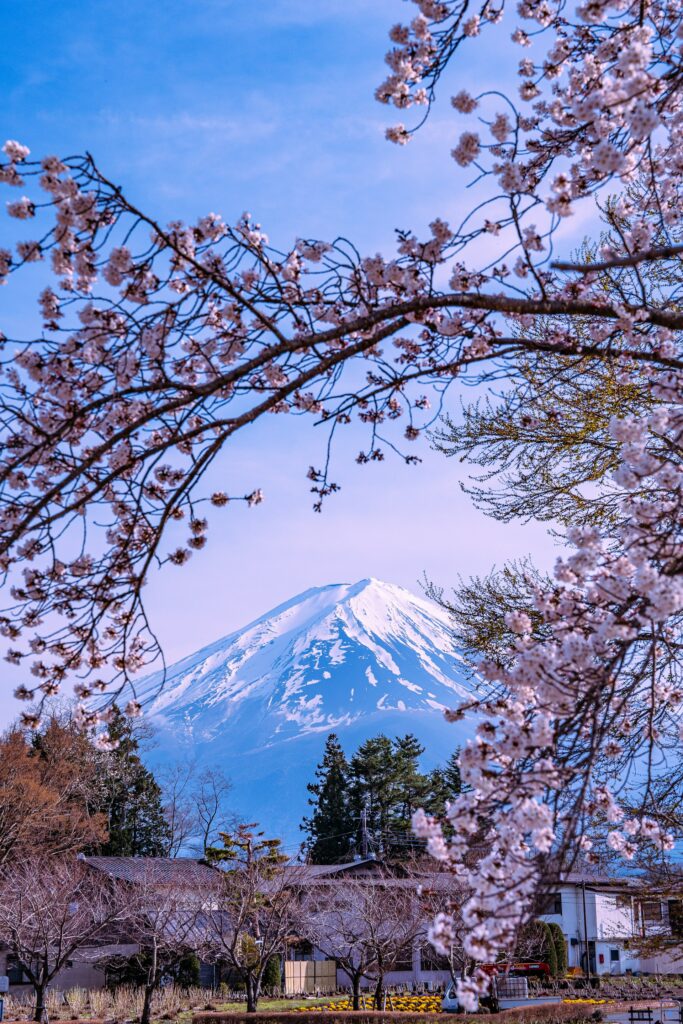
Japan’s four seasons offer distinct charms: spring cherry blossoms, summer festivals and fireworks, autumn foliage, and winter skiing or relaxing onsens
UNESCO Sites
Historic Monuments of Ancient Kyoto, Hiroshima Peace Memorial, and Itsukushima Shrine on Miyajima etc.
Unique Experiences
Cherry Blossom Viewing
Join hanami in spring at Ueno Park (Tokyo) or Maruyama Park (Kyoto) for picnics under blooming trees
Cultural Immersion
Experience tea ceremonies in Kyoto or samurai sword classes in Tokyo
Bucket-List Adventures
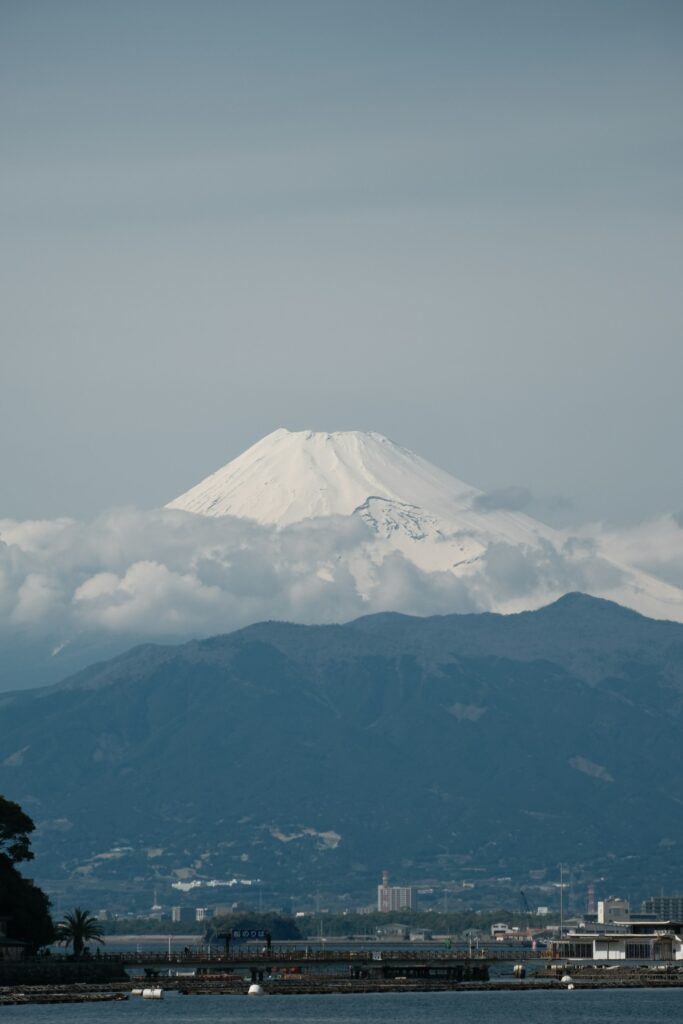
Ski in Niseko, hike Mount Fuji, or visit Okinawa’s coral reefs for diving
Outdoor Activities
Trek in the Japan Alps, cycle the Shimanami Kaido, or relax in Hakone’s hot springs
Signature Food
¥500–1,000
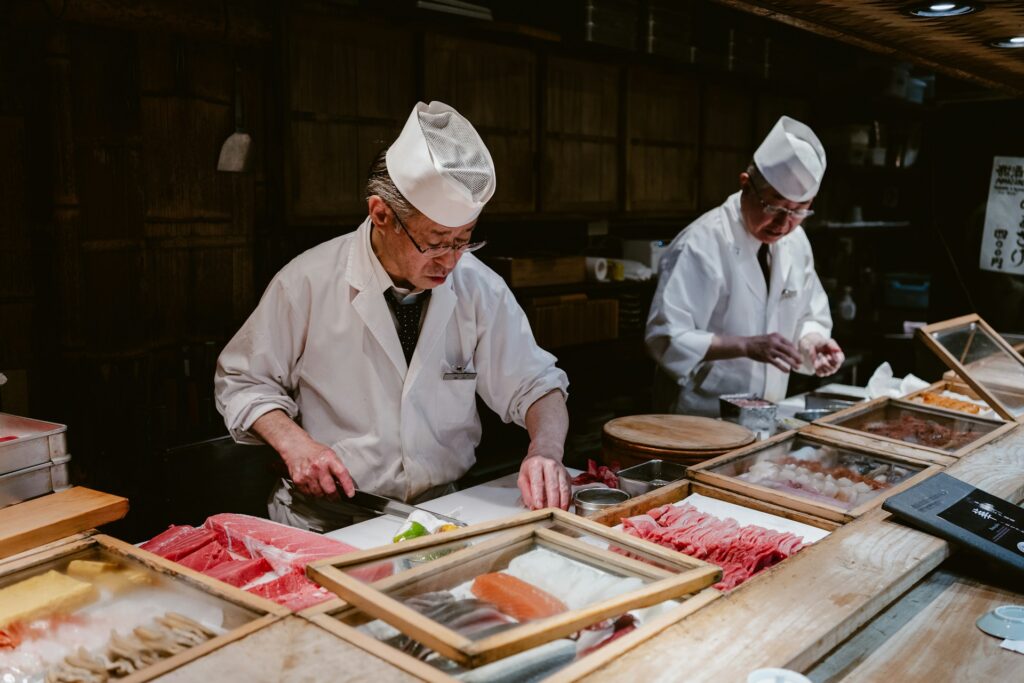
Sushi and Sashimi
The most famous Japanese export
¥500–1,000
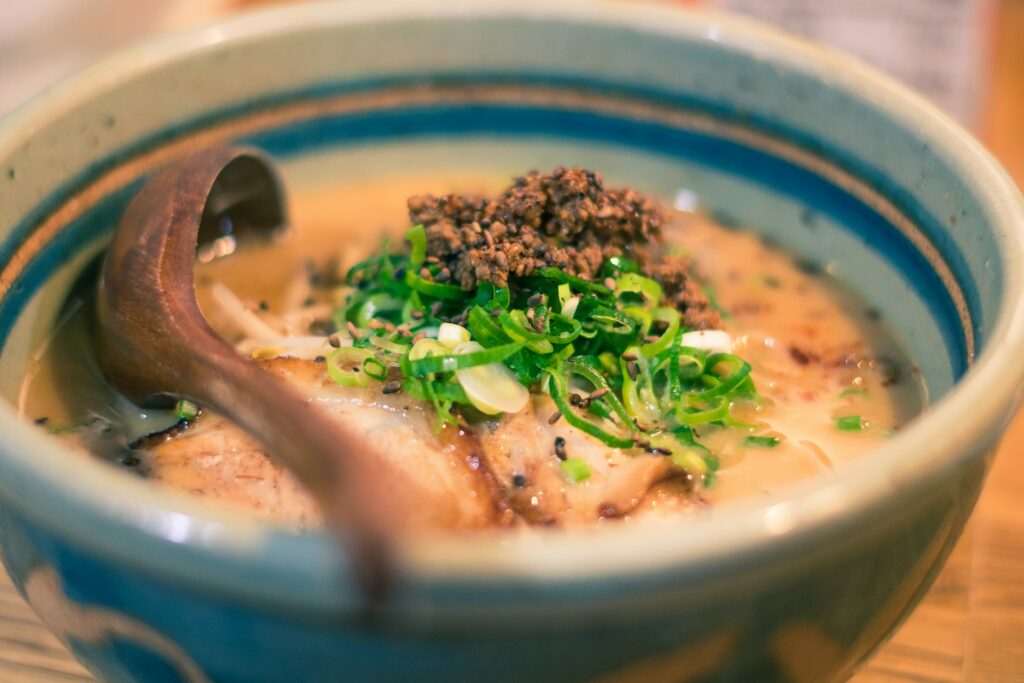
Ramen
Wheat noodles served in a rich broth (soy, miso, salt, or pork bone) topped with sliced pork (chashu), egg, and onions
¥500–1,000
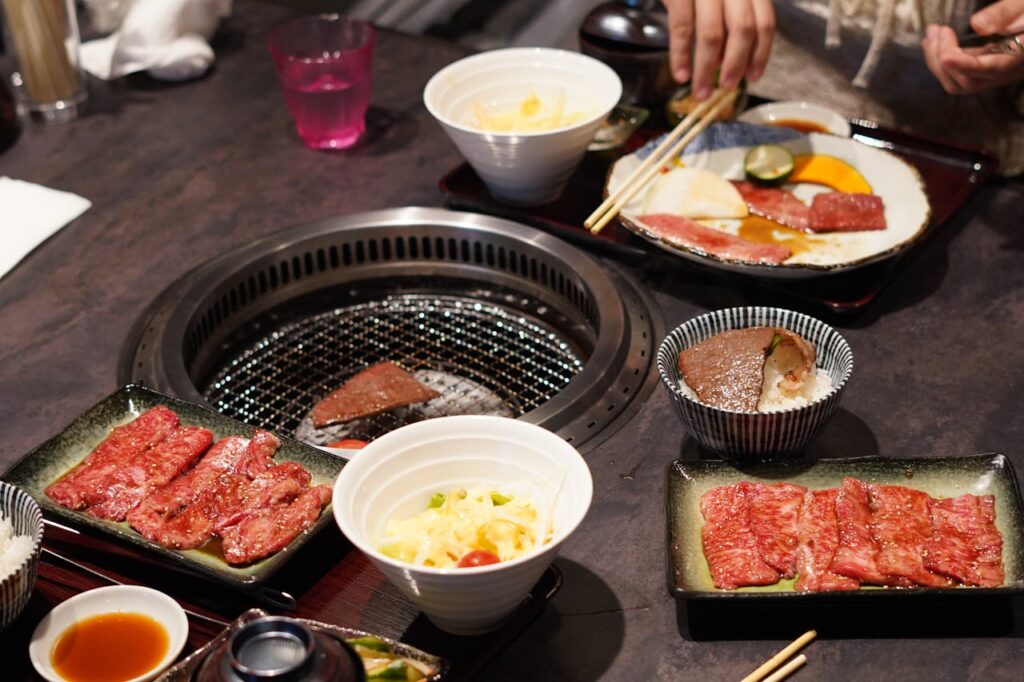
Yakiniku (Japanese BBQ)
One of Japan’s most interactive and premium dining experiences
¥500–1,000
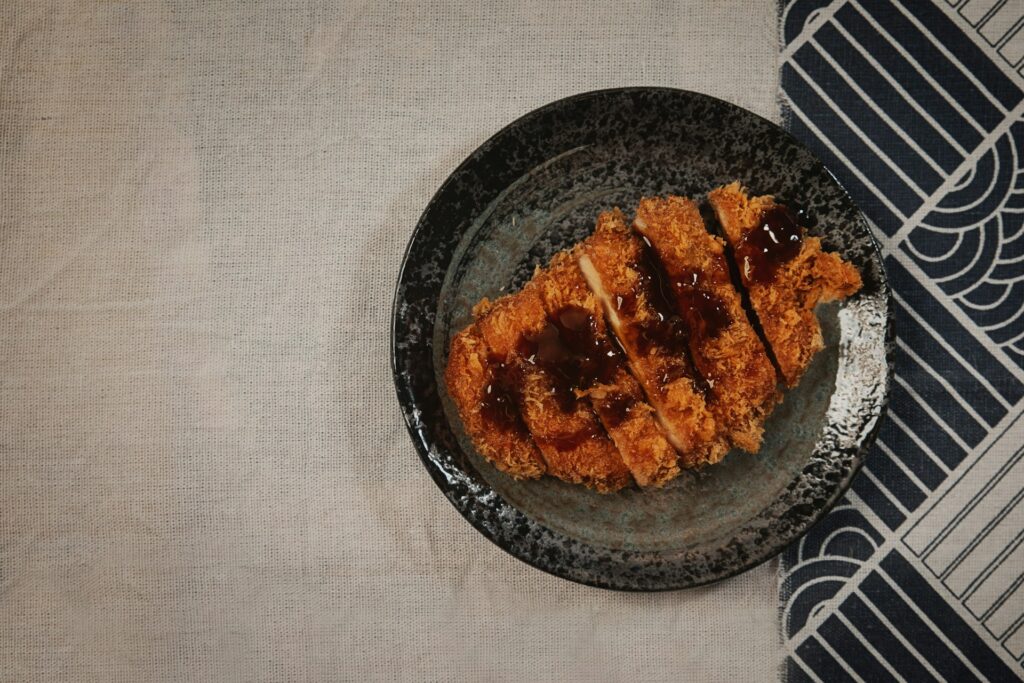
Tonkatsu
Perfectly breaded and fried pork cutlet, served with shredded cabbage and tonkatsu sauce
¥500–1,000
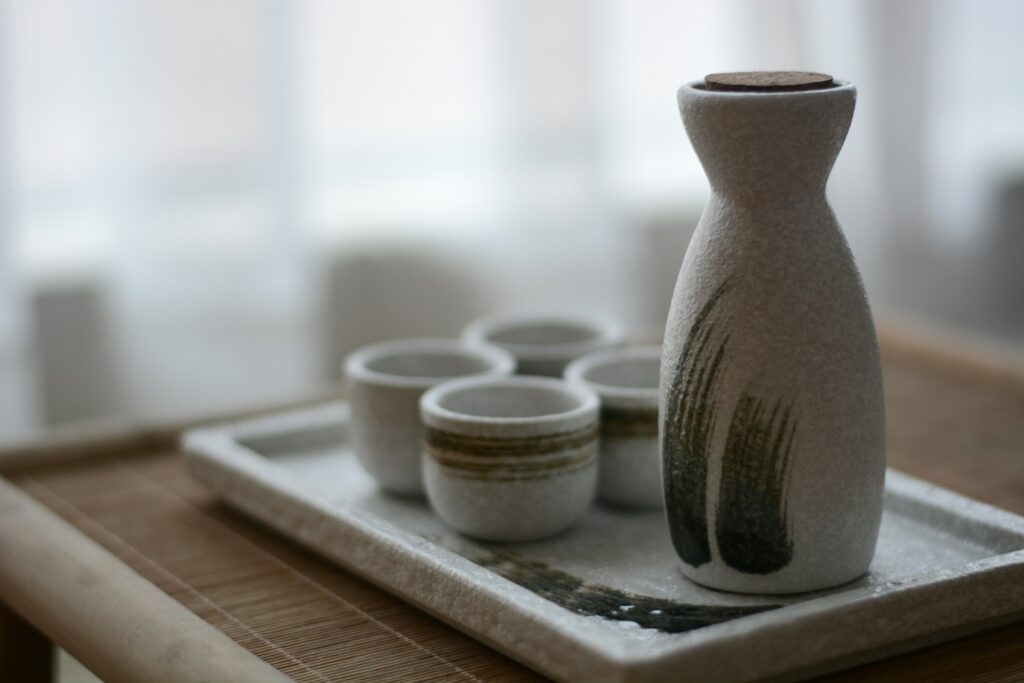
Sake (Nihonshu)
Fermented rice wine, goes best with Sushi and Sashimi.
Sample Itineraries
5-Day Central Japan Alpine Route
A journey of contrasts moving from the Samurai history of Nagoya into the pristine Japanese Alps, featuring UNESCO heritage architecture, top-tier Wagyu beef dining, and restorative waters in one of Japan’s most celebrated onsen towns.
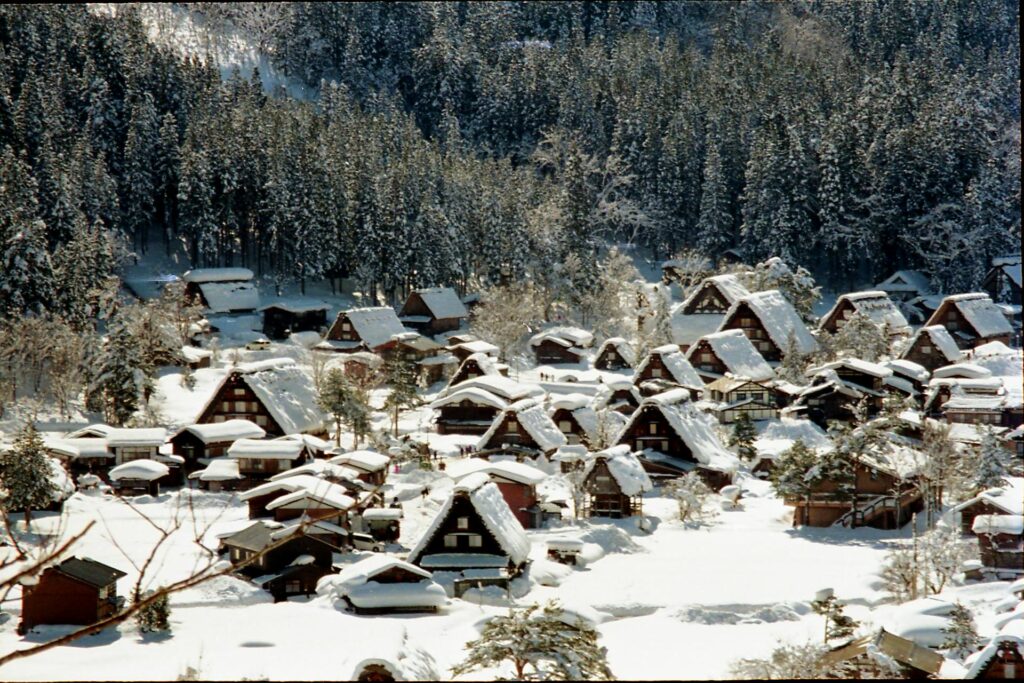
Capture the iconic, snow-capped thatched roofs of Shirakawa-go, a UNESCO World Heritage site that looks plucked from a fairytale
Indulge in a premium Hida Beef Yakiniku dinner in Takayama, savoring one of Japan’s most marbled and celebrated wagyu brands
Immerse yourself in the “Beauty Skin” waters of Gero Onsen, relaxing in open-air baths overlooking the mountainous river valley
Explore the meticulously restored Honmaru Goten at Nagoya Castle, focusing your photography on the opulent gold-leaf sliding doors and intricate woodwork
Savor the local delicacy Hitsumabushi (grilled eel on rice) for dinner, enjoying the traditional three-step ritual of eating it plain, with condiments, and finally with dashi broth
Day 2: Alpine Heritage & Wagyu Feasts (Takayama)
Take the scenic “Wide View” train into the mountains to Takayama and wander the preserved Edo-period streets of Sanmachi Suji, stopping at sake breweries for tasting flights
Dedicate your evening to a high-end Hida Beef dining experience, grilling premium cuts of locally raised wagyu known for its melt-in-the-mouth texture
Day 3: Thatched Roofs & Healing Waters (Shirakawa-go & Gero)
Visit the UNESCO village of Shirakawa-go to photograph the massive Gassho-zukuri farmhouses against the dramatic mountain backdrop
Proceed south to Gero Onsen and check into a traditional ryokan, spending the evening soaking in the alkaline hot spring waters famous for beautifying the skin
Day 4: Morning Markets & Winter Illuminations (Gero & Nabana no Sato)
Stroll through the Gero morning markets and visit Onsenji Temple to capture the steam rising from the town before taking the train back toward the coast
Visit Nabana no Sato in the evening to walk through the famous “Tunnel of Light,” one of Japan’s largest and most spectacular illumination displays
Day 5: Retro Pop Culture & Departure (Nagoya)
Get lost in the vibrant Osu Shopping District, a unique mix of ancient temples and retro vintage shops perfect for finding rare collectibles or gifts
Enjoy a final casual lunch of Miso Katsu (pork cutlet with red miso sauce) before your final departure
7-Day Tokyo–Kyoto–Osaka Trail
A classic “Golden Route” itinerary balancing city energy, temple serenity, and neon nightlife—perfect for first-timers or content-focused trips covering Japan’s most iconic districts.
Capture Tokyo’s contrast between sacred Senso-ji and the hyper-modern scramble of Shibuya Crossing
Wander Kyoto’s temples and Arashiyama’s bamboo groves for timeless, cinematic shots
Eat and shoot your way through Osaka’s Dotonbori, then frame the skyline from Osaka Castle Park
Start at Senso-ji early (around 8 AM) to walk Nakamise Street and photograph the giant red lantern and pagoda before tour groups arrive
Take a Sumida River stroll or short cruise, then explore nearby streets for traditional snack shops and casual Tempura or Tendon for dinner
Day 2: Urban Zen & Neon Pulse (Shibuya & Harajuku)
Visit Meiji Jingu Shrine in the morning, entering through the towering torii gate and forested approach for a calm, atmospheric start
Spend the afternoon in Harajuku and Omotesando, then head to Shibuya Crossing before sunset and finish with rooftop city views and Yakitori or Yakiniku
Day 3: City Perspectives & Free Time (Tokyo)
Choose a modern viewpoint (Tokyo Skytree or Tokyo Tower) for skyline photography and a quick overview of the city’s scale
Leave the afternoon flexible for shopping (Shinjuku, Ginza, or Akihabara) or a themed café visit before taking an evening Shinkansen to Kyoto or staying one last night in Tokyo
Day 4: Temple Core & Golden Reflections (Central/North Kyoto)
Begin at Kinkaku-ji (Golden Pavilion) right after opening to capture the pavilion mirrored on the pond, then continue to Ryoan-ji’s famous rock garden
Head to Nishiki Market or downtown Kyoto for lunch, then visit Kiyomizu-dera in the late afternoon, walking down Sannenzaka and Ninenzaka as lanterns and shop lights come on
Day 5: Bamboo Groves & Riverside Calm (Arashiyama)
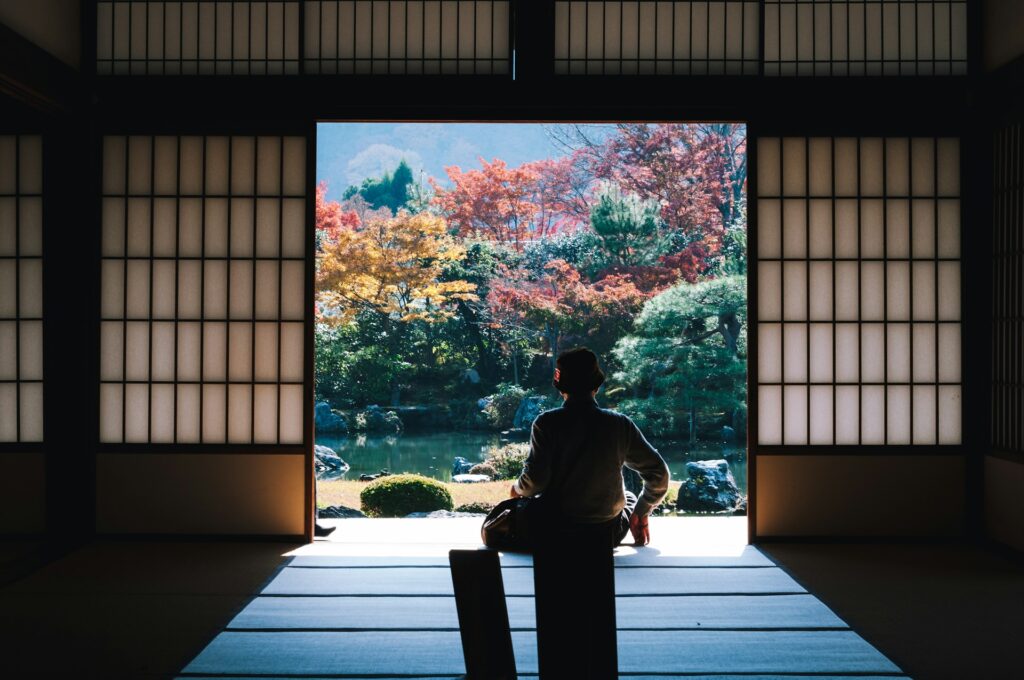
Reach Arashiyama Bamboo Grove early to avoid crowds and get clean, vertical bamboo shots, then visit Tenryu-ji’s gardens nearby
Spend the rest of the day along the Katsura River—rent a boat, cross Togetsukyo Bridge, or explore the quieter temples and cafés before transferring to Osaka in the evening or staying one more night in Kyoto
Day 6: Castles & Street Food Carnival (Osaka Castle & Dotonbori)
Tour Osaka Castle and its surrounding park for panoramic photos of the keep set against the modern skyline
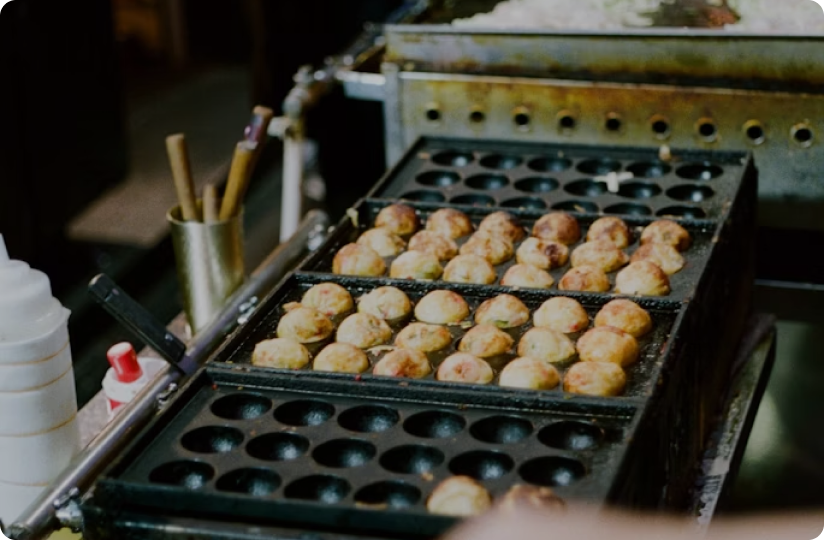
In the evening, dive into Dotonbori’s neon chaos, trying local specialties like Takoyaki, Okonomiyaki, and Kushikatsu while photographing the giant signs and canal reflections
Day 7: Markets, Neighborhood Vibes & Departure (Osaka)
Explore Kuromon Ichiba Market or Shinsekai in the morning for retro vibes and street food tasting before your onward flight or train
Use any remaining time for last-minute shopping in Namba or Umeda, then head to the airport with enough buffer for duty-free browsing and a final bowl of Ramen or Curry Rice before departure
Ideal for cherry blossom viewing (hanami) in Tokyo, Kyoto, and Hiroshima, with mild weather (10-20°C).
Perfect for cultural festivals and garden visits.
June to August (Summer)
Great for summer festivals (e.g., Gion Matsuri), beach trips in Okinawa, and fireworks displays, though hot and humid (25-35°C).
September to November (Autumn)
Prime for autumn foliage in Nikko and Kyoto, sumo tournaments, and hiking in the Japan Alps with pleasant temperatures (15-25°C).
December to February (Winter)
Best for winter sports in Hokkaido (e.g., skiing in Niseko) and illuminations in Tokyo and Osaka, with cooler weather (0-10°C). Avoid typhoon season (September) for outdoor plans.
Summary Notes
March to May and September to November offer the best weather for cultural and outdoor activities; June to August for festivals; and December to February for winter experiences. Japan’s year-round appeal makes every season special.
Travel Practicalities
Visa and Entry Requirements
Visa-free entry for up to 90 days for many nationalities (e.g., US, EU, Canada); passports must be valid for the duration of stay.
Check Japan’s Ministry of Foreign Affairs for updates.
Currency
Official Currency: Japanese Yen (JPY).
Usually Accepted Currencies: US Dollar (USD); JPY is required for most transactions, including markets, small vendors, and public transport.
Exchange money at airports, banks, or 7-Eleven ATMs (international cards accepted).
Language
Japanese is the official language;
English is limited outside tourist areas but common in major cities.
Local Transportation
Domestic Flight
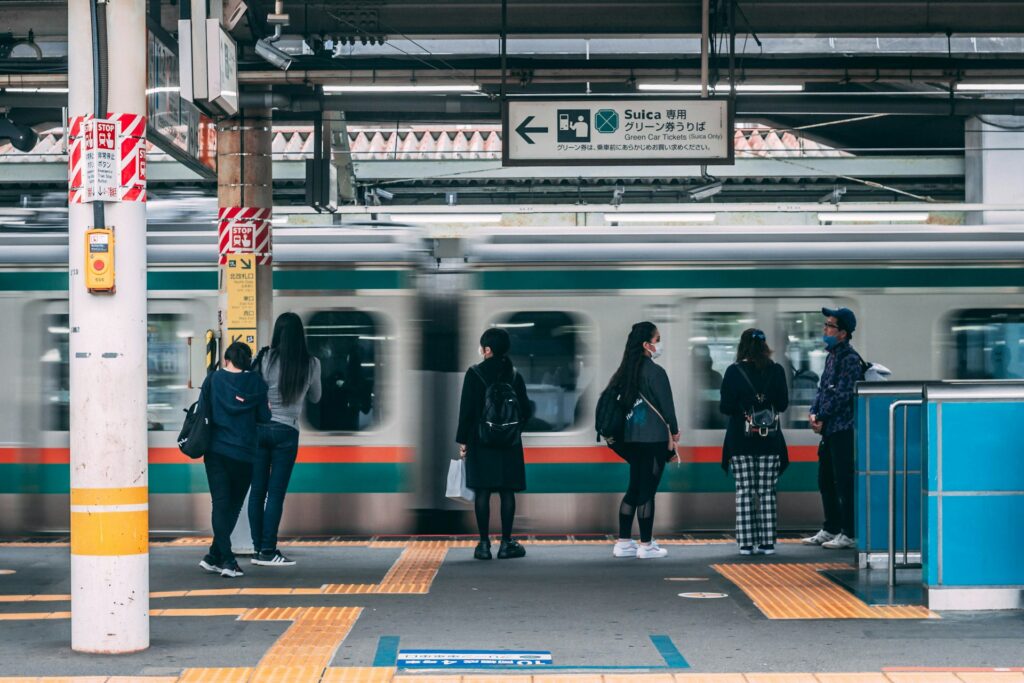
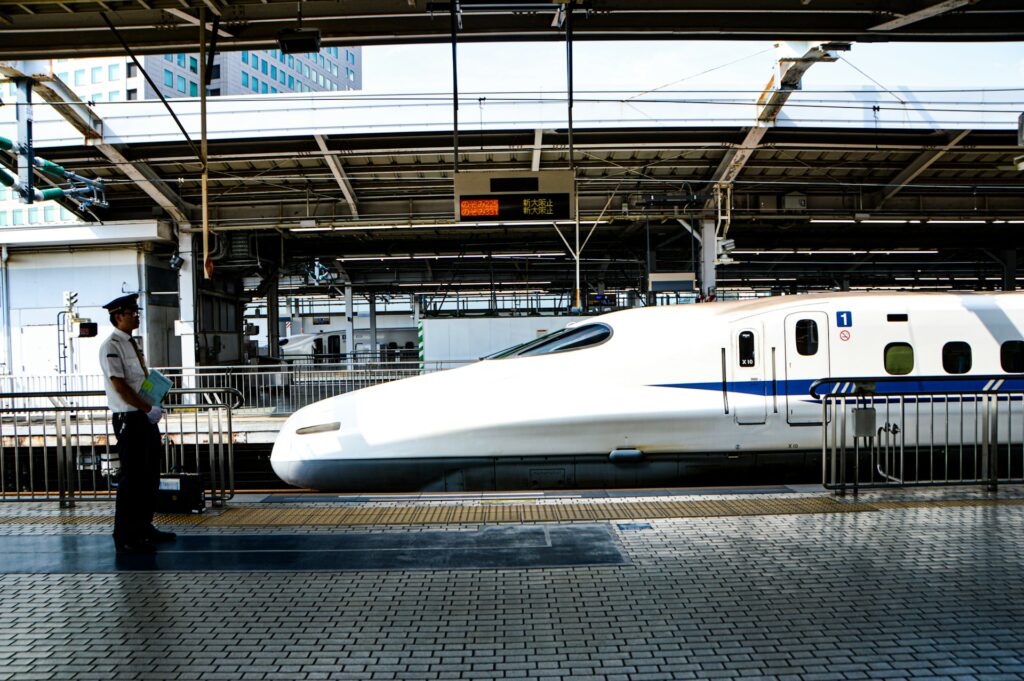
Shinkansen (bullet trains)
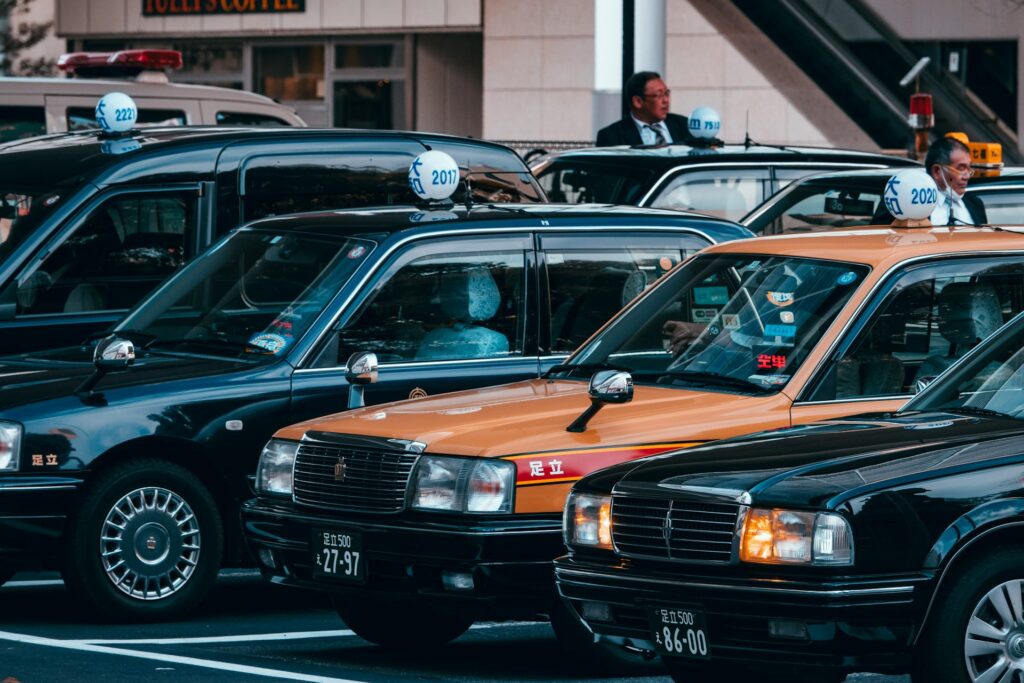
Taxi/ Uber
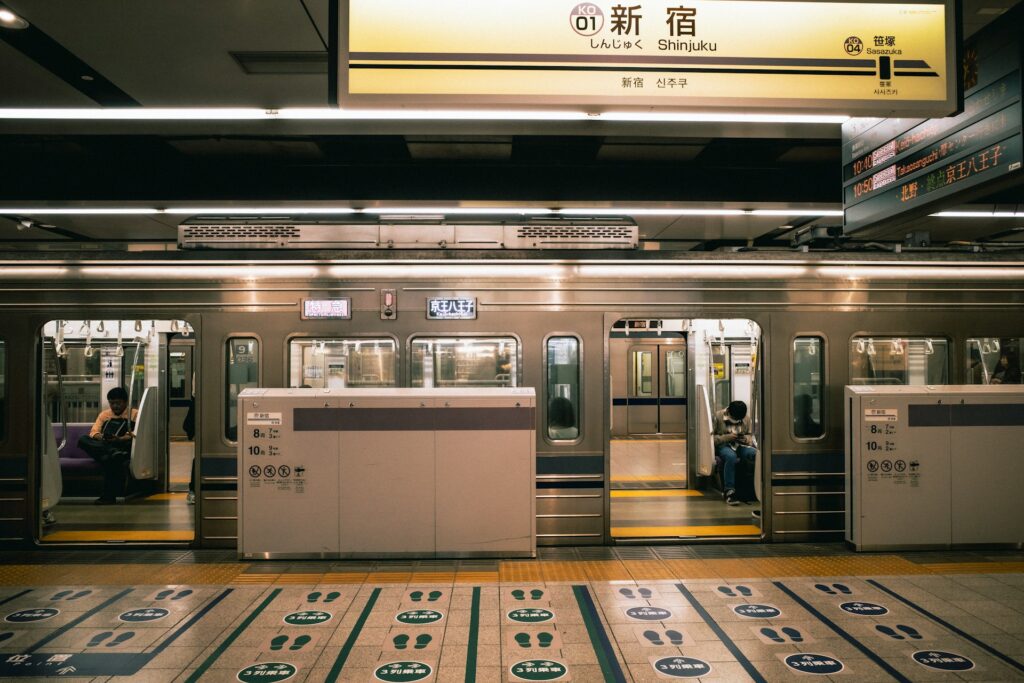
Subways
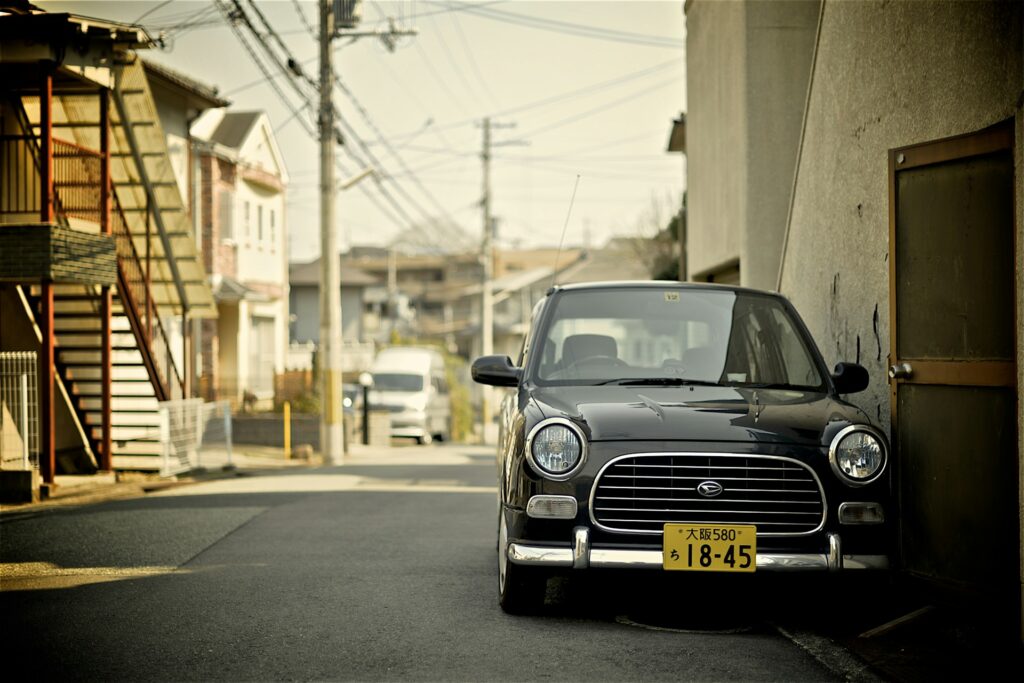
Car Rental
Local Tips and Culture
Locals are friendly and casual
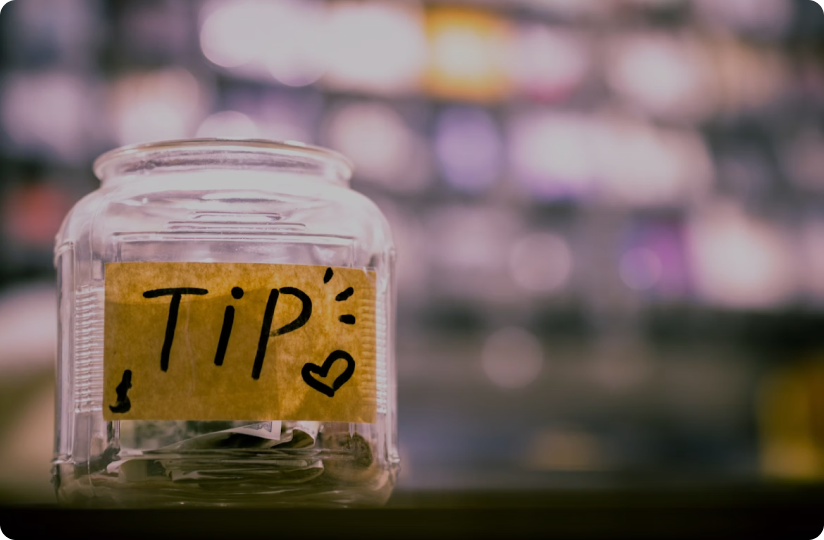
Tipping is not customary
Try street food like takoyaki and okonomiyaki
Safety and Practical Tips
Safe to explore
Tokyo is very safe; beware of minor scams in Roppongi nightlife areas.
Health Precautions
No vaccinations required for most travelers. Pharmacies are widely available; carry a phrasebook for medical needs.