Indonesia, the world’s largest archipelago, seamlessly blends thousands of islands with endless discovery.
From the spiritual temples of Bali to the prehistoric dragons of Komodo and the smoking volcanoes of Java, Indonesia offers a captivating mix of dramatic nature, ancient traditions, and warm island hospitality. With its pristine coral reefs, diverse cultures, and world-class coffee, Indonesia enchants travelers with wild beauty, flavor, and unforgettable adventures.
Cultural soul of Java, gateway to Borobudur and Prambanan UNESCO temples.
Raja Ampat (West Papua)
Marine paradise with earth’s richest coral reefs and breathtaking karst islands.
Komodo National Park (Flores)
Home to famous Komodo dragons, pink beaches, and world-class diving sites.
Lake Toba (Sumatra)
World’s largest volcanic lake hosting Samosir Island and unique Batak culture.
Key Cultural and Historical Highlights
Cultural Practices
“Gotong royong” (community cooperation) shapes village life. Batik textiles, Gamelan music, and Wayang Kulit (shadow puppets) are UNESCO-recognized arts central to identity.
Major Festival
Nyepi (Bali’s Day of Silence) shuts down the island in March.
Eid al-Fitr (Lebaran) sees massive nationwide celebrations. Waisak illuminates Borobudur with thousands of lanterns.
Seasonal Connection
Indonesia is tropical year-round but split into Dry (Apr-Oct) and Wet (Nov-Mar) seasons.
Religious festivals like Ramadan shift dates annually, impacting travel logistics significantly.
UNESCO Sites
Borobudur and Prambanan Temples, Komodo National Park, Ujung Kulon (Java rhinos), and the Cultural Landscape of Bali (Subak system).
Unique Experiences
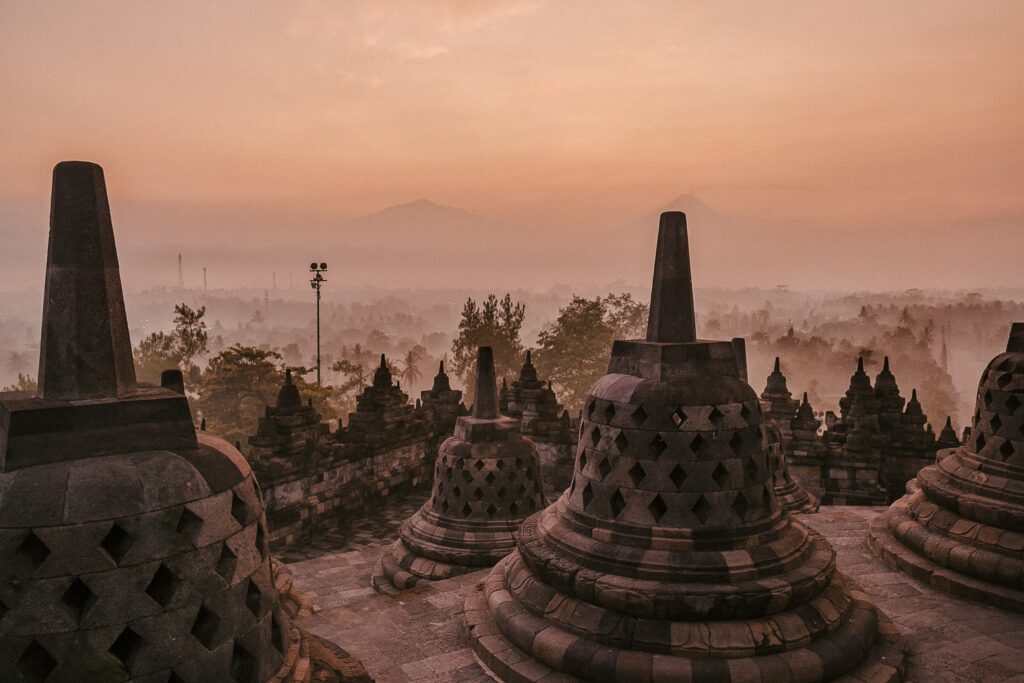
Sunrise at Borobudur Temple (Java)
Watch the sun illuminate the world’s largest Buddhist temple and its stupas against a volcanic backdrop.
Komodo Dragon Trekking
Walk with rangers on Komodo or Rinca Island to see prehistoric giant lizards in the wild.
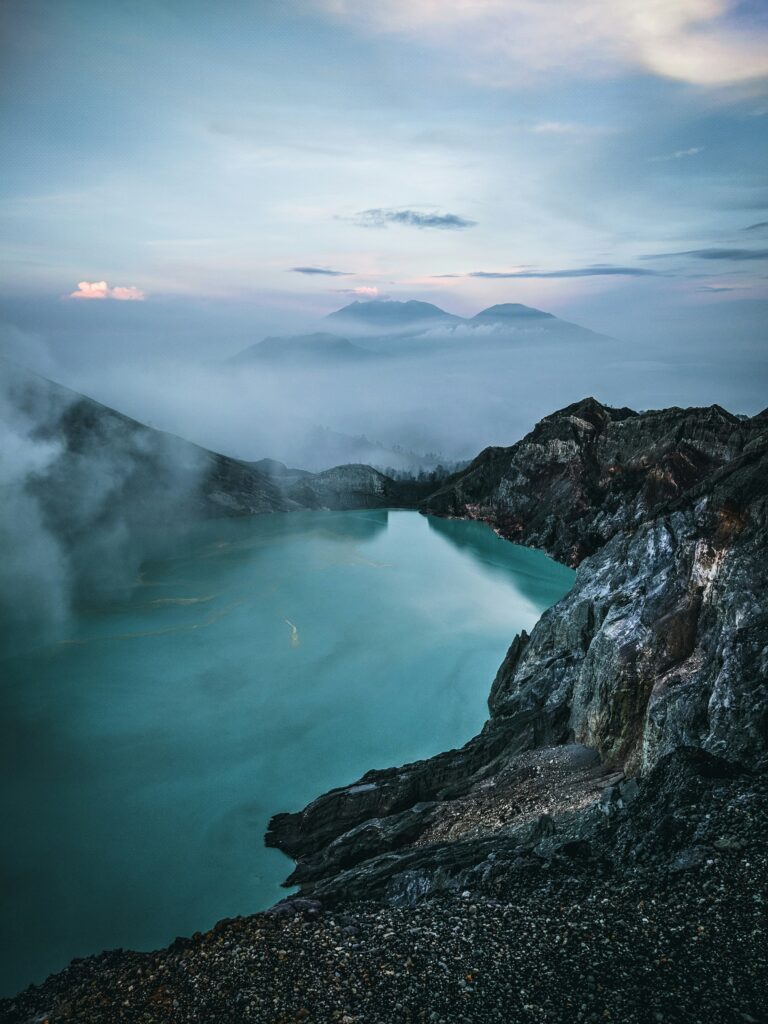
Blue Fire Hike (Ijen Crater)
Trek at night to witness electric-blue flames and a turquoise acid lake inside an active volcano.
Jamu Making Class
Learn to craft traditional Indonesian herbal medicine tonics using turmeric, ginger, and tamarind.
Signature Food
¥500–1,000
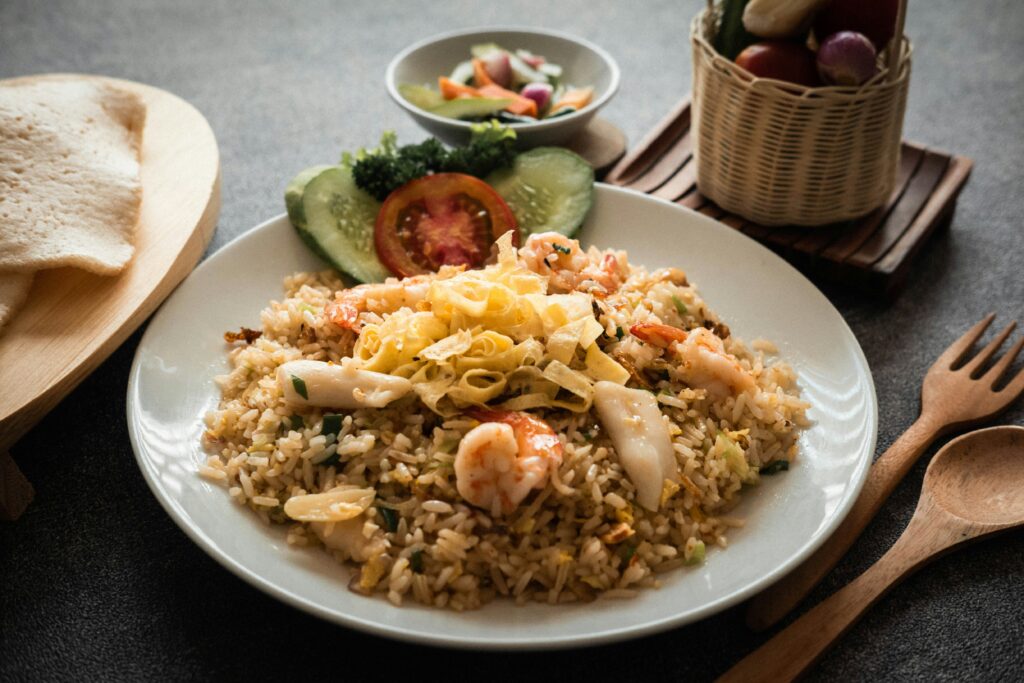
Nasi Goreng
Indonesia’s national fried rice with sweet soy sauce and egg.
¥500–1,000
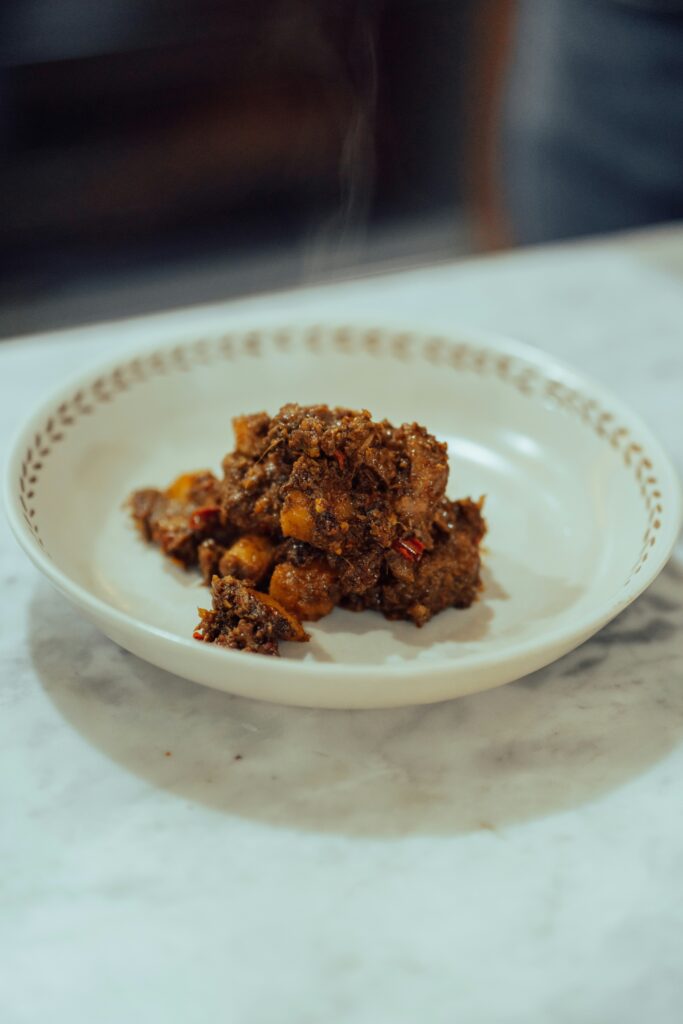
Rendang
Slow-cooked beef caramelized in rich coconut milk and spices.
¥500–1,000
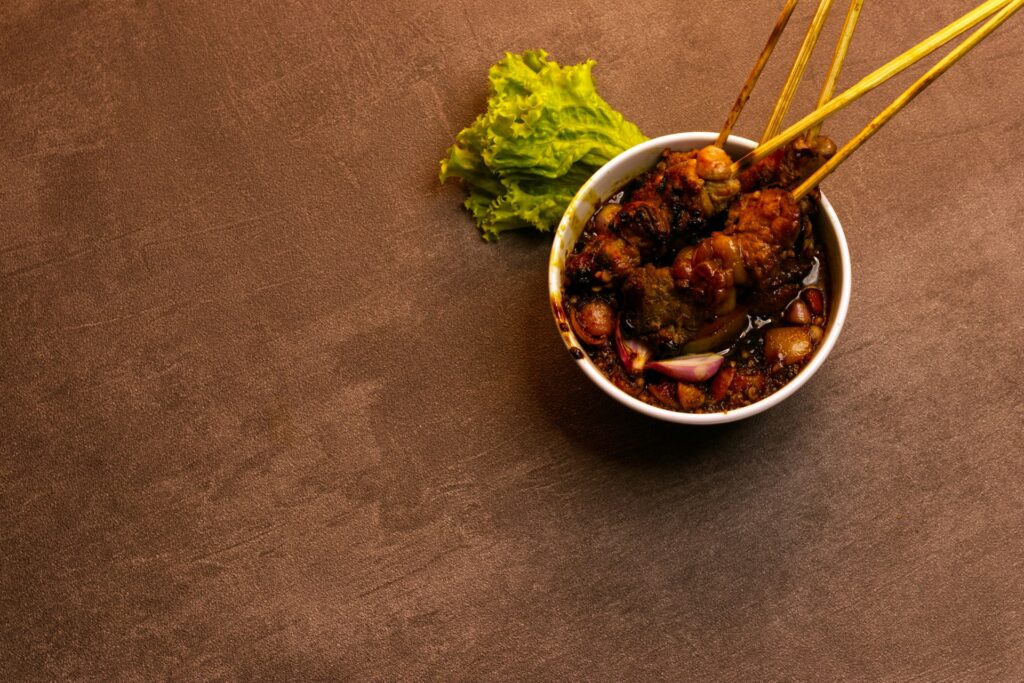
Satay (Sate)
Grilled pork with noodles, herbs, and dipping sauce.
¥500–1,000
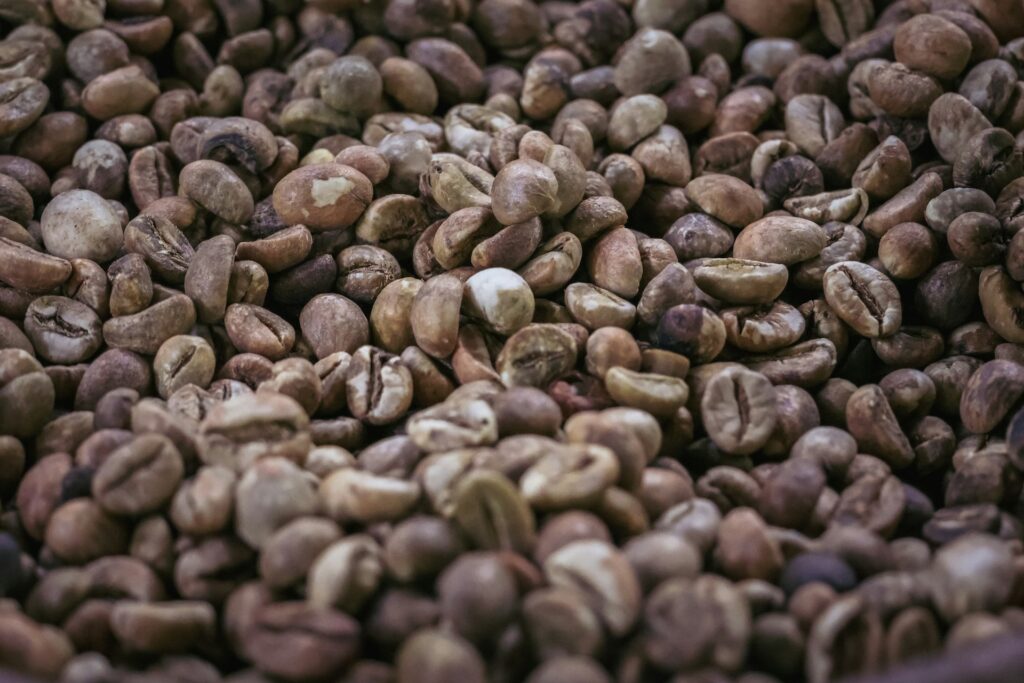
Kopi Luwak
World’s rarest coffee made from beans eaten by civets.
¥500–1,000
Jamu
Traditional herbal tonic drink made from roots and spices.
Sample Itineraries
5-Day Indonesia Highlights Tour (Bali & Culture)
A perfect introduction to the Island of the Gods, blending spiritual temples, lush nature, and vibrant beach culture.
Witness the cliffside Uluwatu Temple and Kecak fire dance.
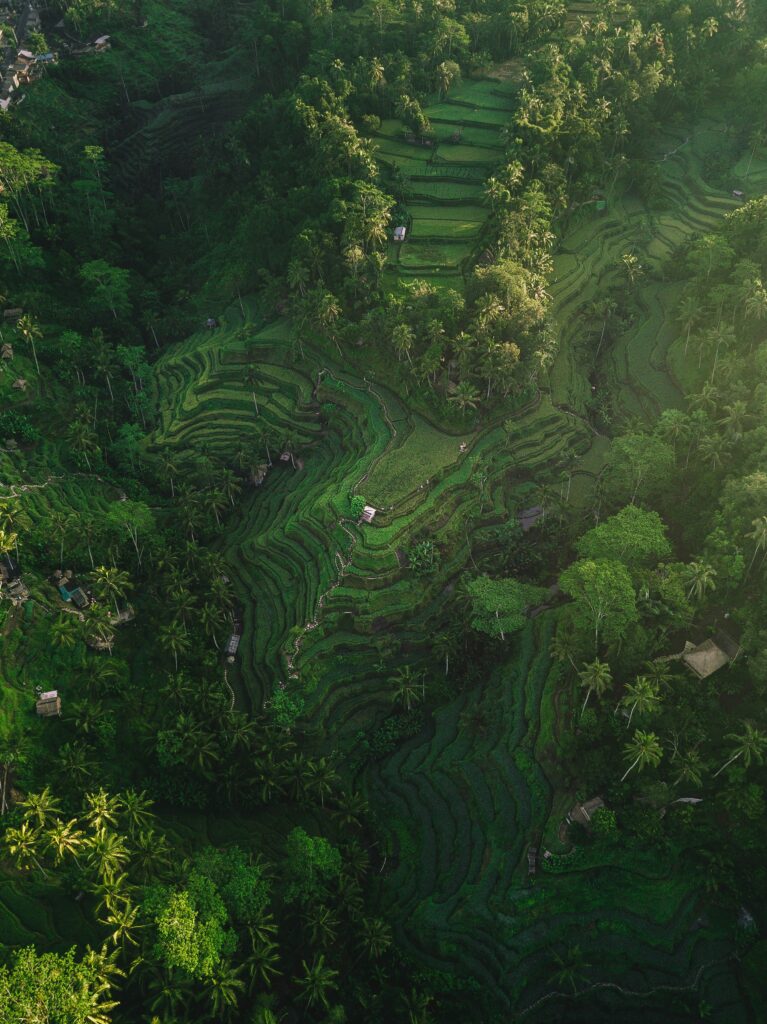
Wander the emerald Tegalalang Rice Terraces in Ubud.
Cleanse your spirit at the sacred Tirta Empul water temple.
Relax on the golden sands of Seminyak or Nusa Dua.
Ideal for diving and green landscapes; post-rain lushness with fewer crowds before peak season.
Perfect for exploring Bali and Java comfortably.
June to August (Dry Season/Peak)
Great for beach days, hiking volcanoes, and wildlife spotting; sunny and dry nationwide. Best time for Komodo boat trips and surfing.
September to November (Shoulder Season)
Excellent for cultural festivals and pleasant weather; calmer seas for island hopping. Good balance of value and weather for Sumatra and Sulawesi.
December to March (Wet Season)
Best for lush rice terraces and quiet temples; expect daily tropical rain showers. Good for Raja Ampat diving (season differs) or spa retreats in Ubud.
Summary Notes
Mid-April to September offers the driest, sunniest weather for outdoor adventures across most islands.
The wet season (Dec-Mar) brings lush scenery and fewer tourists to Bali/Java, while regions like Raja Ampat and Maluku are actually best visited during this time.
Travel Practicalities
Visa and Entry Requirements
Visa on Arrival (VOA): Available to 90+ nationalities (approx. USD 35 / IDR 500,000) for 30 days, extendable once.
E-Visa: Apply online beforehand to skip airport queues.
Bali Tourist Levy: New IDR 150,000 (approx. USD 10) fee for all foreign visitors to Bali, payable online or on arrival.
Currency
Official Currency: Indonesian Rupiah (IDR)
Cash is essential for warungs (local eateries), markets, and transport in remote areas.
Cards are widely accepted in Bali/Jakarta; carry cash for smaller islands (Komodo/Lombok).
Language
Bahasa Indonesia is the official language
English is widely spoken in Bali and major tourist hubs
Local Transportation
Domestic Flight
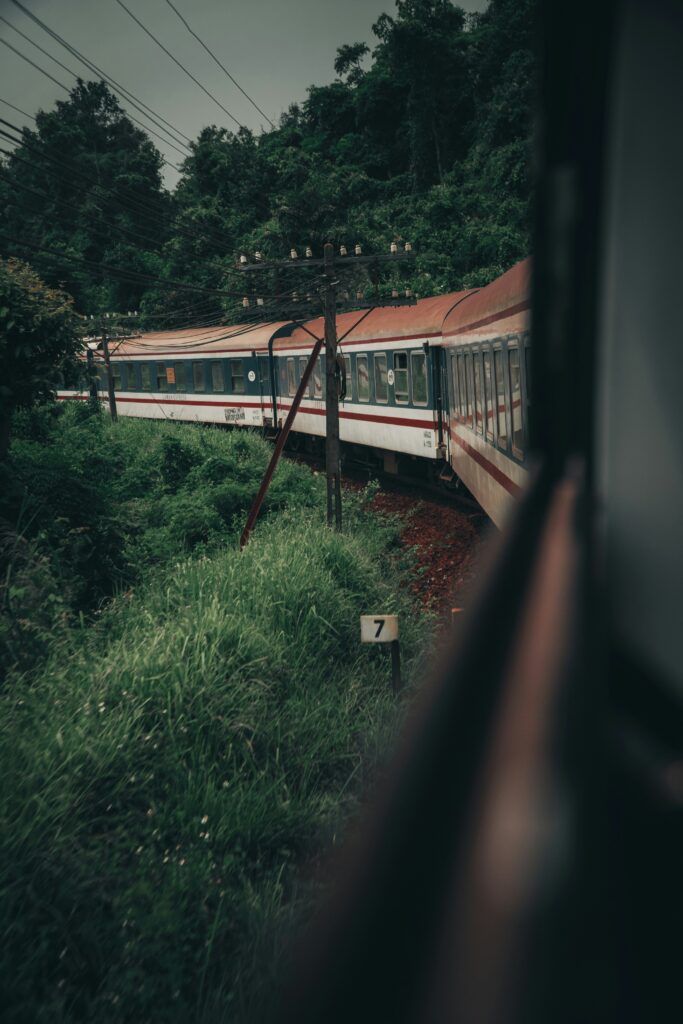
Trains (Java)
Ride-Hailing (Grab/Gojek)
Private Drivers
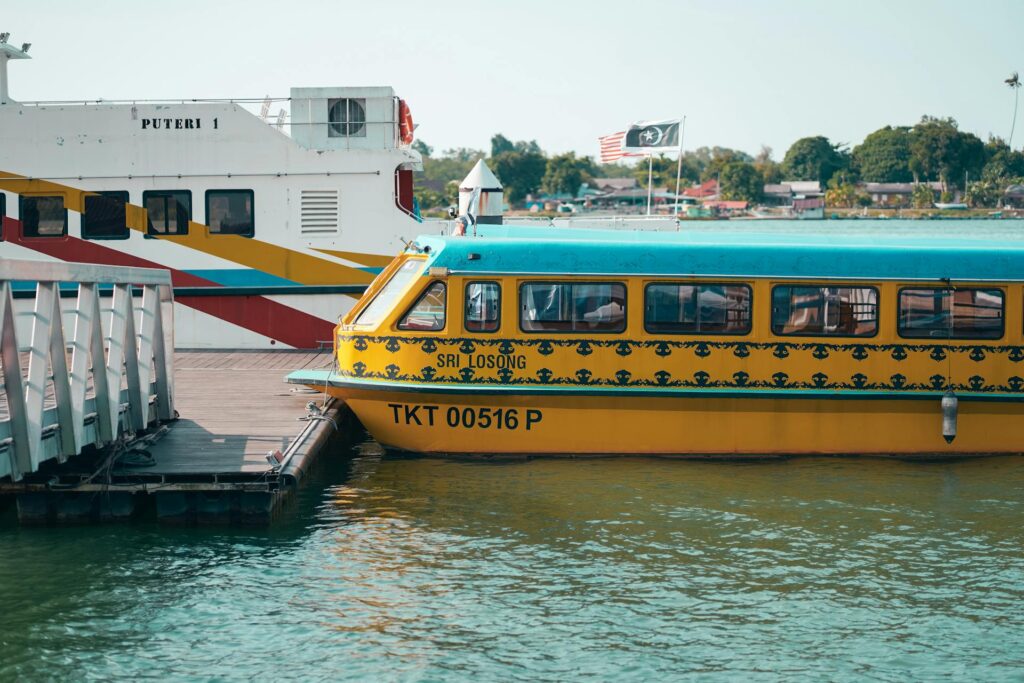
Ferries & Fast Boats
Local Tips and Culture
Avoid giving money or eating with your left hand, considered unclean in local culture.
Tipping is not mandatory but customary
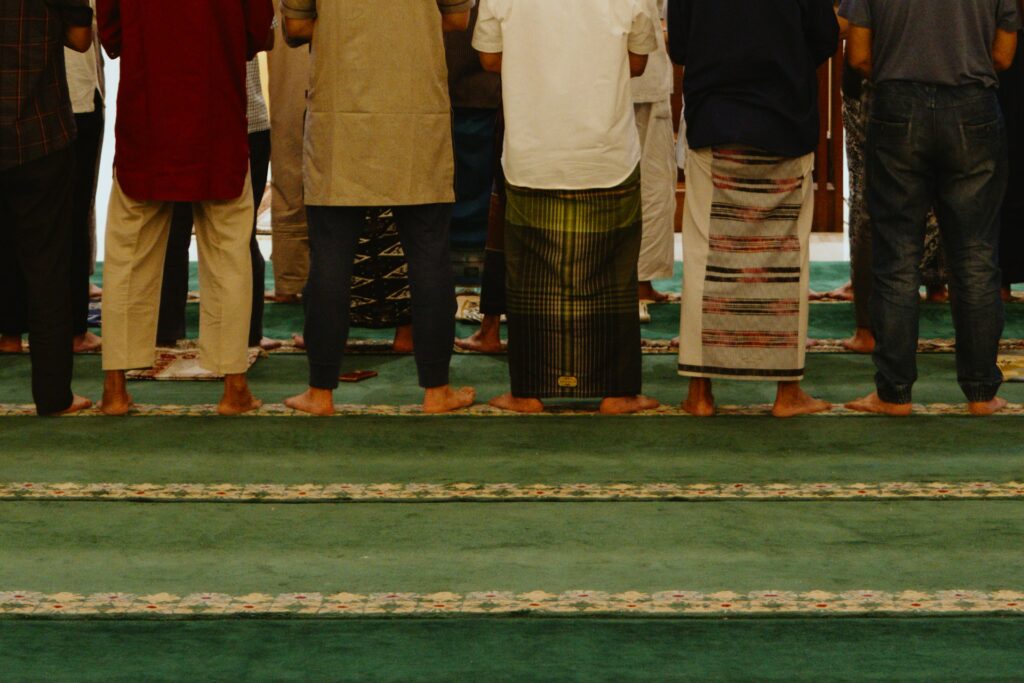
Cover shoulders/knees in temples and rural/Muslim areas. Sarongs are often provided at Bali temples.
Safety and Practical Tips
Safe to explore
Generally safe; watch for bag snatching on motorbikes in Bali. Natural hazards (volcanoes/quakes) exist—monitor alerts.
Health Precautions
Bali Belly: Drink only bottled water; avoid ice in street drinks. Dengue is a risk; use repellent day and night.