BOLIVIA
Introduction
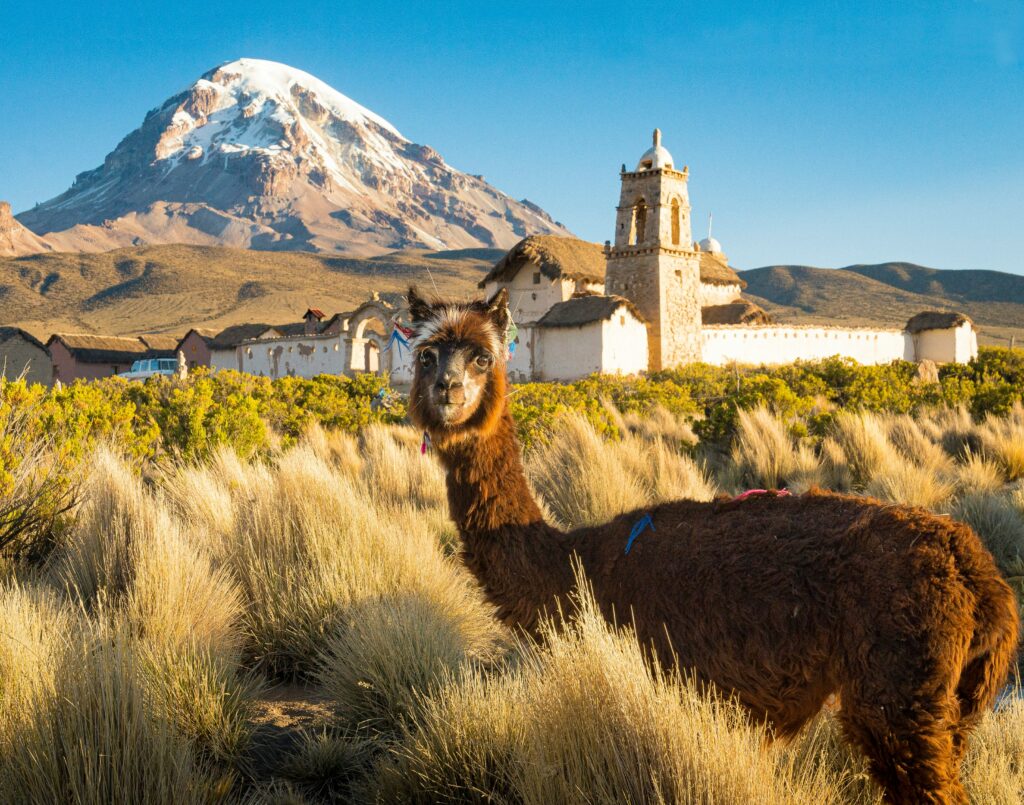
Bolivia, a landlocked Andean nation of staggering contrasts, fuses indigenous heritage with dramatic natural wonders from salt flats to Amazonian jungles.
From the otherworldly Salar de Uyuni to the high-altitude bustle of La Paz and the serene shores of Lake Titicaca, Bolivia offers authentic cultural immersion, colonial history, and adventure in its diverse ecosystems. With strong Aymara and Quechua traditions, vibrant festivals, and a commitment to community-based tourism, this South American treasure rewards intrepid travelers with unspoiled beauty, resilient communities, and profound connections to ancient civilizations.
Top Cities/Regions to Explore
La Paz
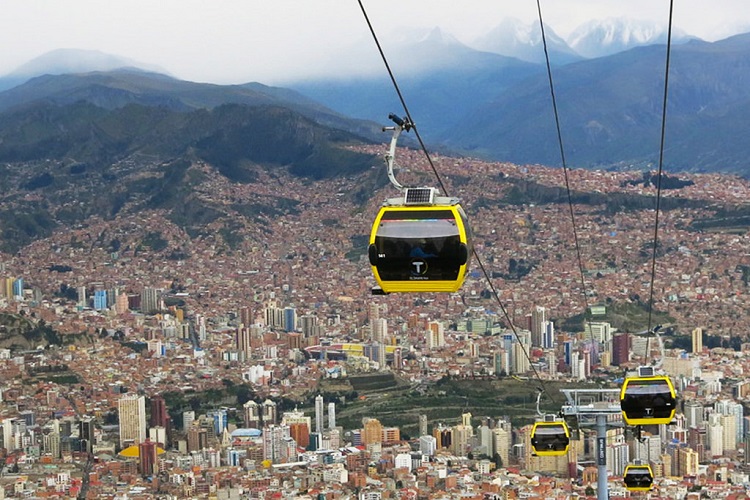
The world’s highest capital, featuring cable cars, the Witches’ Market, and Valle de la Luna’s moon-like landscapes.
Sucre
Bolivia’s official capital, known for whitewashed colonial buildings, dinosaur footprints, and the Casa de la Libertad.
Potosi
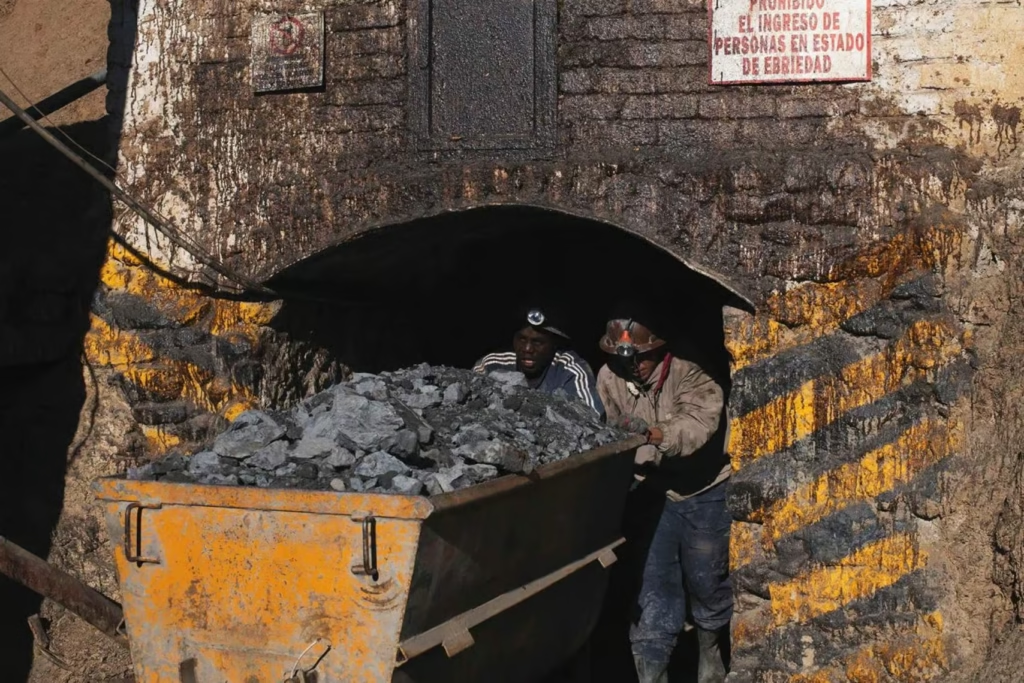
Historic silver mining city with the Cerro Rico mines and colonial mint.
Lake Titicaca (Copacabana)
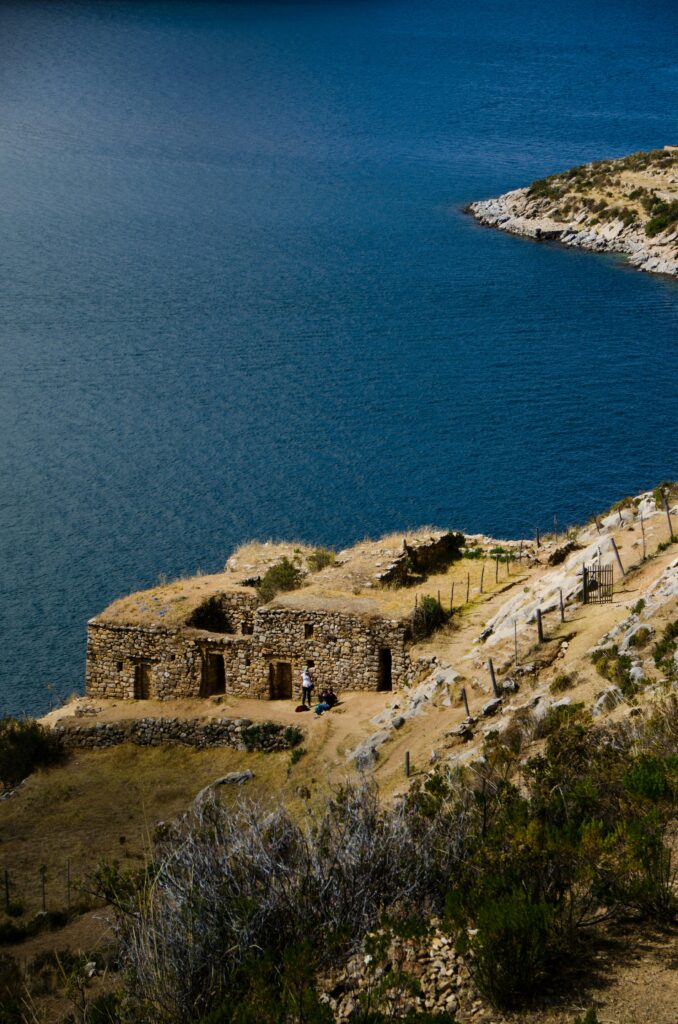
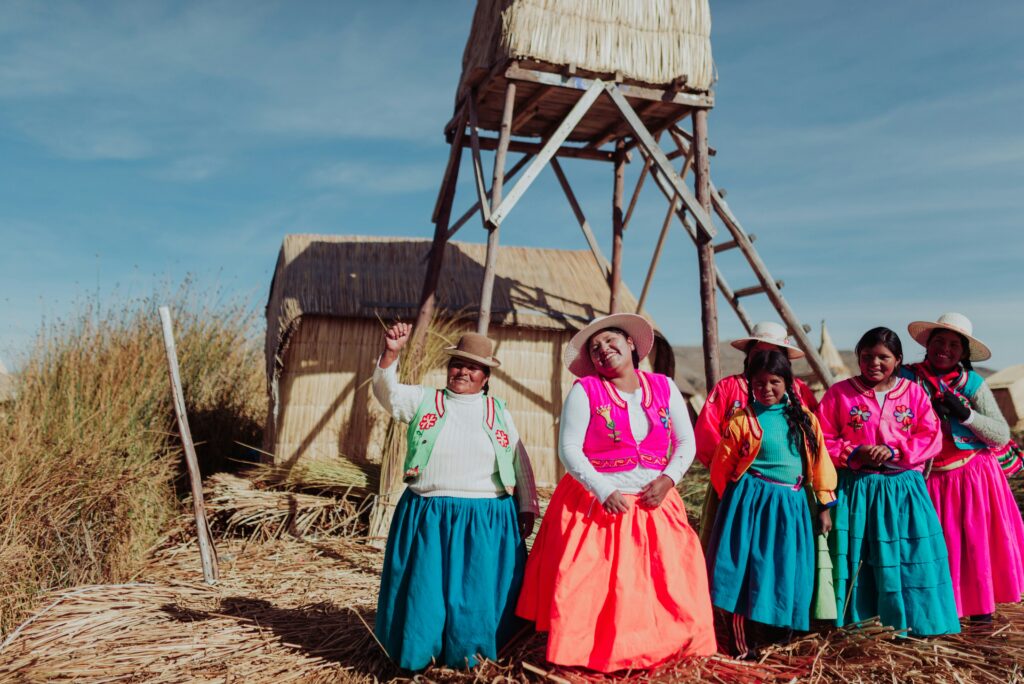
Sacred lake with Isla del Sol, birthplace of Inca mythology, and traditional reed boats.
Salar de Uyuni
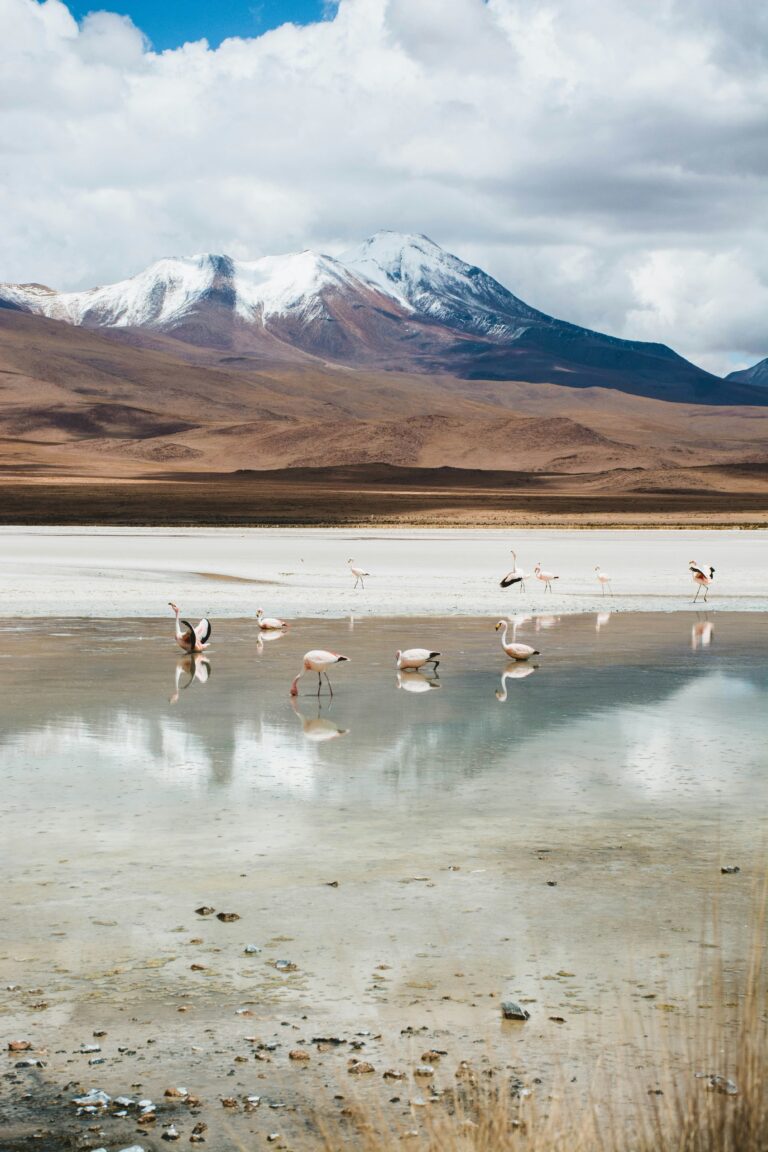
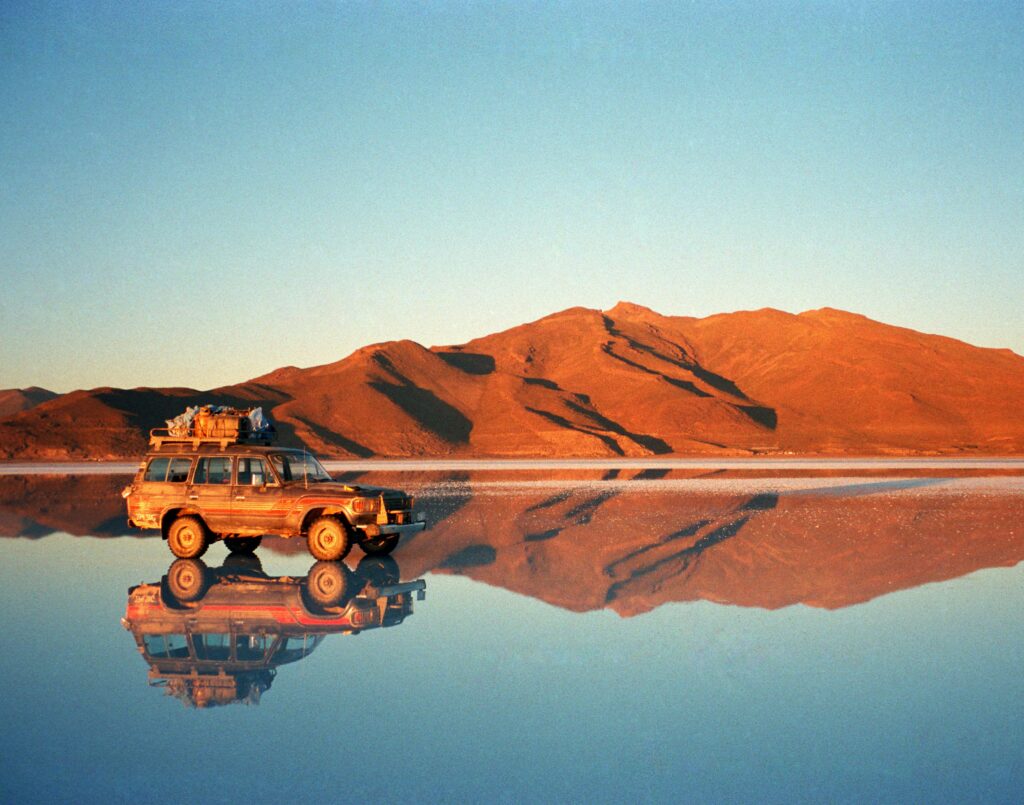
Vast salt flats with mirror reflections, Incahuasi Island, and colorful lagoons in the Reserva Eduardo Avaroa.
Key Cultural and Historical Highlights
Cultural Practices
Strong indigenous influence with Aymara and Quechua communities; women in traditional cholita attire (bowler hats, pollera skirts). Respect for Pachamama through offerings; communal work (minga) is common.
Major Festival
Carnaval de Oruro (February/March), a UNESCO-listed spectacle of dances, costumes, and parades honoring the Virgin of Socavón.
Alasitas Fair (January) in La Paz for miniature wishes.
Seasonal Connection
Festivals often tie to agricultural cycles or Catholic saints blended with Andean beliefs; dry season enhances salt flat visits.
UNESCO Sites
City of Potosi, Jesuit Missions of Chiquitos, Tiwanaku ruins, Historic City of Sucre, and the Qhapaq Ñan Andean Road System.
Unique Experiences
Tour Salar de Uyuni
Jeep across endless salt hexagons, visit train cemeteries, and see flamingo-filled lagoons.
Explore Isla del Sol
Hike ancient Inca paths on Lake Titicaca's sacred island for panoramic views and ruins.
Visit Cerro Rico Mines
Tour historic silver mines in Potosi to understand colonial exploitation and modern mining life.
Bike the Death Road
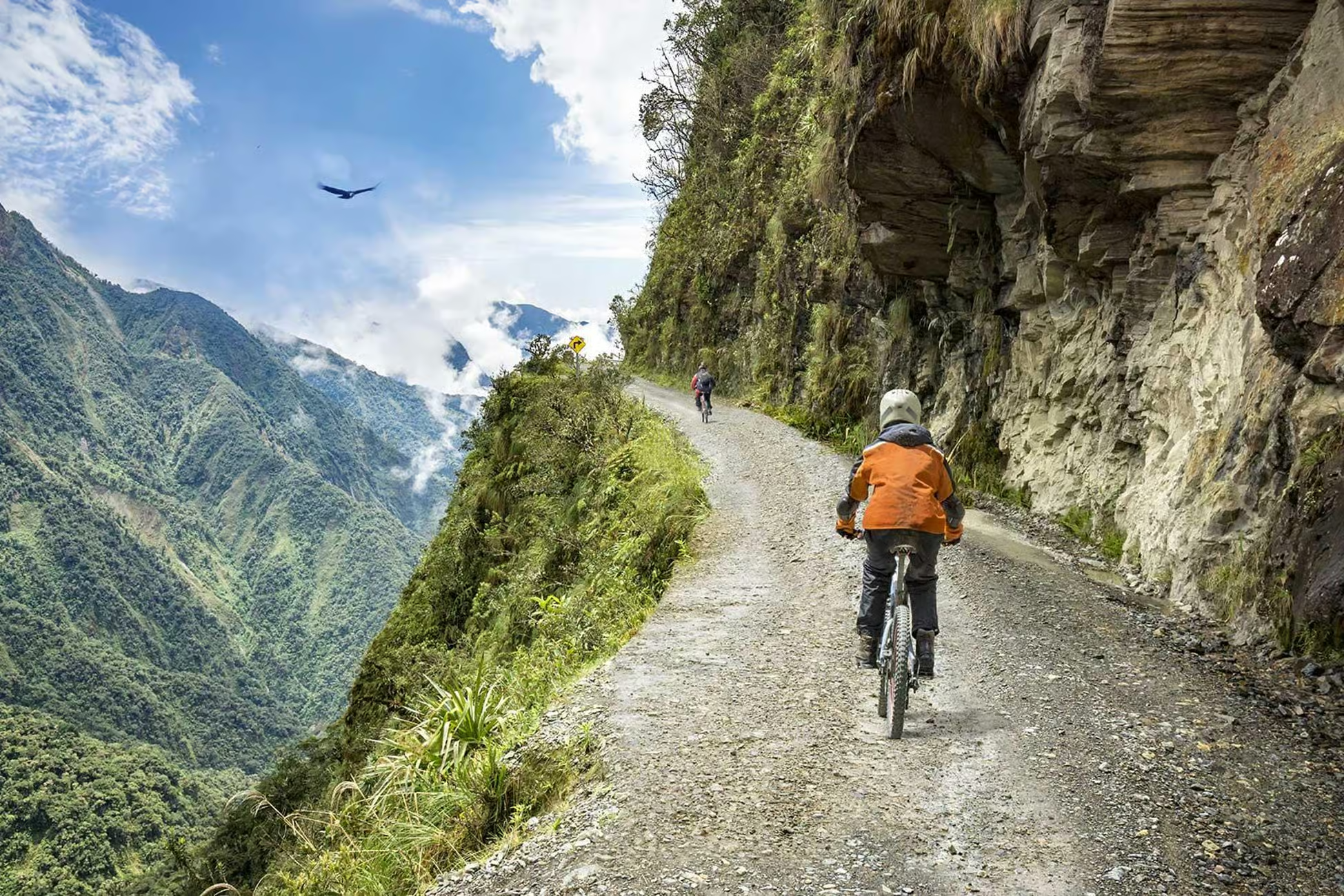
Descend from Andes to Yungas on the world's most dangerous road, now a thrilling adventure route.
Signature Food
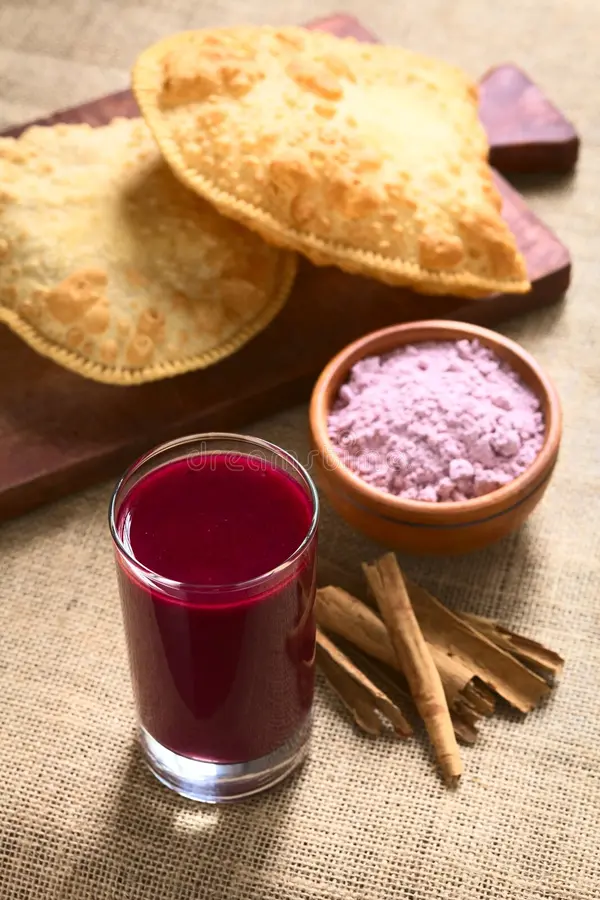
Salteñas
Savory pastries filled with meat, potatoes, and spicy sauce; a popular breakfast snack.
Pique Macho
Hearty dish of beef, sausages, fries, eggs, and peppers in a tangy sauce.
Silpancho
Breaded beef cutlet with rice, potatoes, eggs, and salsa; a Cochabamba specialty.
Api
Warm purple corn drink sweetened with cinnamon and cloves.
Sample Itineraries
7-Day Bolivia Discovery - Salt Flats and Andean Wonders
A thoughtfully paced journey through Bolivia’s high-altitude landscapes, blending iconic salt flats, volcanic wonders, and immersive cultural encounters like market visits and ancient ruins explorations.
- Explore the vast Salar de Uyuni, the world’s largest salt flat, with its mirror-like reflections.
- Visit colorful lagoons and geysers in the Eduardo Avaroa National Reserve.
- Experience authentic Bolivian life with a visit to local villages and a traditional meal demonstration.
- Discover the historic city of La Paz, including Moon Valley and Tiwanaku ruins.
Day 1: Arrival & La Paz
- Arrive in La Paz; scenic transfer from El Alto Airport with views of the Andes.
- Check-in at local Boutique Hotel; leisure walk through the bustling streets.
- Optional – evening talk on Bolivian culture or Andean cosmology.
Day 2: La Paz Culture & Nature
- Visit the massive Basilica de San Francisco; hike to Mirador Killi Killi for panoramic city views.
- Explore the Witches’ Market and ride the Mi Teleferico cable car.
- Visit Moon Valley for surreal landscapes.
Day 3: La Paz to Uyuni
- Flight to Uyuni; visit Colchani Village and the Salt Museum.
- Picnic lunch amid the salt flats.
- Explore Salar de Uyuni and Isla Incahuasi.
Day 4: Uyuni Exploration
- Drive to Laguna Cañapa and Hedionda for flamingo sightings.
- Visit Volcano Ollague viewpoint and the Rock Tree.
- Explore Laguna Colorada.
Day 5: Geysers & Lagoons
- Sunrise at Sol de Mañana Geyser with packed breakfast.
- Relax in natural hot springs; visit Salvador Dali Desert.
- See Laguna Verde; overnight at local botique hotel.
Day 6: Uyuni to La Paz
- Flight back to La Paz; visit Tiwanaku Ruins for ancient history.
- Traditional lunch interacting with locals.
- Stroll through La Paz markets.
Day 7: Depart La Paz
- Morning at leisure to soak in the city atmosphere.
- Transfer to El Alto International Airport for departure.
16-Day Perfect Peru and Bolivia Itinerary
A dynamic 16-day adventure combining Peru’s culinary and ancient highlights with Bolivia’s underrated natural wonders, from Lima’s vibrant food scene to Machu Picchu’s ruins and the surreal Uyuni Salt Flats, offering a blend of history, culture, and breathtaking landscapes across both countries.
- Explore Lima’s gastronomic capital with ceviche, Lomo Saltado, and pisco sours.
- Visit Paracas beaches, Isla Ballestas, and Huacachina dunes for natural beauty and adventure.
- Discover Cusco, the Sacred Valley, Machu Picchu, and Rainbow Mountain.
- Experience Lake Titicaca from Puno and Copacabana sides.
- Tour La Paz and the otherworldly Uyuni Salt Flats.
Day 1-3: Exploring Lima
- Land in Lima International Airport and transfer to accommodation in Barranco.
- Explore the city, focusing on its amazing culinary scene with countless ceviche, Lomo Saltado, and pisco sours.
- Visit historical sites like Plaza de Armas, Monastery of San Francisco, Larco Museum, and National Museum of Archaeology, Anthropology, and History.
- Enjoy fusion cuisine at top restaurants like Central, Maido, and Astrid y Gaston.
- Optional: Attend La Mistura food festival if timing aligns.
Day 4-6: Paracas and Huacachina
- From Lima to Paracas (3 hours).
- Explore beautiful beaches and nature reserves; visit Isla Ballestas (poor man’s Galapagos) for wildlife viewing.
- Day trips to Tacama winery and sand-boarding on the dunes of Huacachina.
- Enjoy calm ocean, stunning scenery, and amazing ceviche at accommodations like Luxury Collection Paracas Hotel.
Day 7-8: Machu Picchu
- Back to Lima for flight to Cusco; transfer to guesthouse in Ollantaytambo in the Sacred Valley for altitude acclimation.
- Visit Machu Picchu: Enter through the ruins, reach the famous viewpoint, and hike to the top of Machu Picchu Mountain.
- Soak in views, observe llamas grazing; note morning clouds often clear later.
- Return to Aguas Calientes for pisco sours; train back to Ollantaytambo.
Day 9: Rainbow Mountain of Vinicunca
- Hike to Rainbow Mountain from Cusco or Sacred Valley base.
- Experience the colorful peaks and panoramic views.
Day 10-11: Lake Titicaca (Puno and Copacabana)
- Travel from Cusco to Puno on the Peruvian side of Lake Titicaca.
- Explore the lake, then cross to Copacabana on the Bolivian side for further tours.
Day 12: La Paz's City Sights and Aerial Adventures
- Head to La Paz; explore the city and its attractions.
- Begin with a Red Cap Walking Tour to learn about La Paz’s history, politics, and daily life.
- Ride the Teleférico lines for aerial perspectives, stopping at viewpoints in El Alto.
- Lunch in a local spot featuring traditional Bolivian food like salteñas.
- Explore the Witches’ Market and nearby artisans for souvenirs.
- Evening relaxation with views from a mirador or a cultural show.
Day 13: Mountain Day Trip and Culinary Wind-Down
- Early departure for Chacaltaya mountain (once the world’s highest ski resort), hiking to viewpoints with multi-colored lakes and high-altitude scenery.
- Return for lunch and free time in the historic district.
- Visit an abandoned ski resort area if time allows, or shop in markets.
- Evening focused on Bolivian cuisine, perhaps at Gustu restaurant, before departure.
Day 14: Uyuni Entry & Photographic Salt Flats
- Morning arrival flight; start with guided Train Graveyard tour.
- Colchani: Visit salt factory and museum; buy souvenirs.
- Salar highlights: Eyes of water, Flag Square, Incahuasi climb with guide narration.
- Extended time for depth-perception photos; lunch in salt-built structure.
- Sunset viewing; overnight in upgraded salt hotel with hot showers.
Day 15-16: Scenic Lagoons & Reserve Drive, and Departure
- Comfortable drive to altiplano lagoons; stops for flamingo viewing and photos.
- Siloli Desert: Easy walk to Stone Tree; cultural insights on Andean life.
- Red Lagoon: Guided session on ecology and lithium impacts.
- Picnic lunch; relaxed pace with breaks.
- Overnight in comfortable hostel with en-suite options.
- The next day, start with a therapeutic soak in hot springs; time for relaxation.
- Drive via Dali Desert and Green Lagoon for final photos.
- Return to Uyuni; farewell lunch and transfer to airport for departure.
Day Trips and Nearby Attractions
Hakone
~1.5 hours by train
Kamakura
~1 hours by train
Yokohama
~30 minutes by train
Accommodation Highlights
Four Seasons Hotel Tokyo at Otemachi
Sky-high luxury with Imperial Palace views
Fairmont Tokyo
PAW-tastic luxury for your pet
The Peninsula Tokyo
Impeccable service, Ginza location
The Okura Tokyo
Mid-century elegance, Japanese garden serenity
Aman Tokyo
Urban sanctuary, Japanese minimalist luxury
Conrad Tokyo
Sleek skyscraper luxury, stunning bay views
Best Time to Visits by Activities
May to October (Dry Season)
Prime for salt flats (mirror effect in wet patches) and trekking with clear, cool weather. Ideal for festivals like Alasitas.
November to April (Wet Season)
Best for lush Amazon and blooming landscapes; salt flats turn into mirrors but roads may flood. Good for birdwatching.
September to October (Autumn)
Milder rains, fewer tourists; ideal for hiking and harvests. Highlight: Independence Day celebrations and monarch butterfly arrivals.
Summary Notes
Dry season (May-Oct) suits highland adventures and clear skies, while wet season enhances Amazon vibrancy but brings rain. Acclimate to altitude in La Paz to avoid soroche (sickness).
Travel Practicalities
Visa and Entry Requirements
Visa-Free: Many from EU, Canada, Australia for 30-90 days
US citizens need visa ($160, valid 10 years).
Yellow Fever: Required for Amazon entry; proof often checked.
Passport: 6 months validity.
Currency
Official Currency: Boliviano (BOB)
Exchange: USD accepted in tourist spots
ATMs in cities but unreliable rurally
Carry cash for small towns.
Language
Spanish: Official language.
Aymara and Quechua widely spoken indigenously.
English limited outside tourism areas.
Local Transportation
Domestic Flights
Buses/Micros
Cable Cars (La Paz)
Guided Tour
Local Tips and Culture
10-15% at restaurants; small amounts for taxis, maids, porters.
Avoid photos without permission, especially indigenous people.
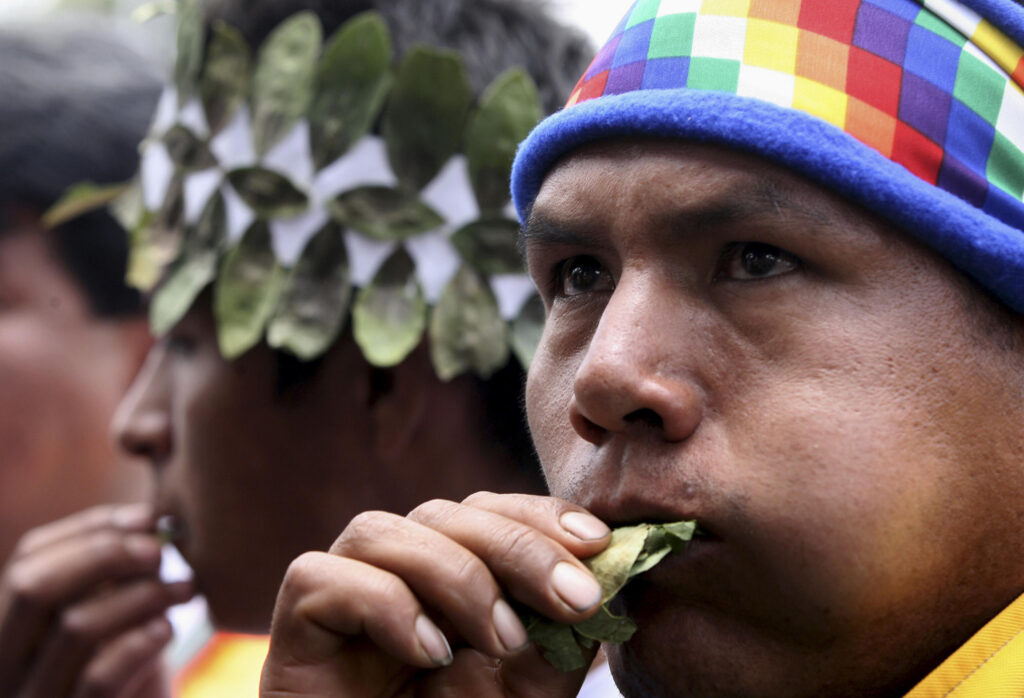
Chewing coca leaves is a traditional practice in South America using leaves from the Erythroxylaceae family. It acts as a mild, natural stimulant to boost energy, reduce hunger, and combat fatigue.
Safety and Practical Tips
Safe to explore
Generally safe for tourists; watch for petty theft in crowds.
Health Precautions
Altitude sickness common—stay hydrated, avoid alcohol initially. Starting with two days in La Paz is excellent for acclimatizing to the high altitude (over 3,600m / 11,800ft) before heading to the even higher landscapes of the salt flats and lagoons (over 4,000m / 13,000ft); Use reputable taxis or join a guided tour.

Emergency
Emergency: Police (110), Ambulance (118), Fire (119).