BHUTAN
Introduction
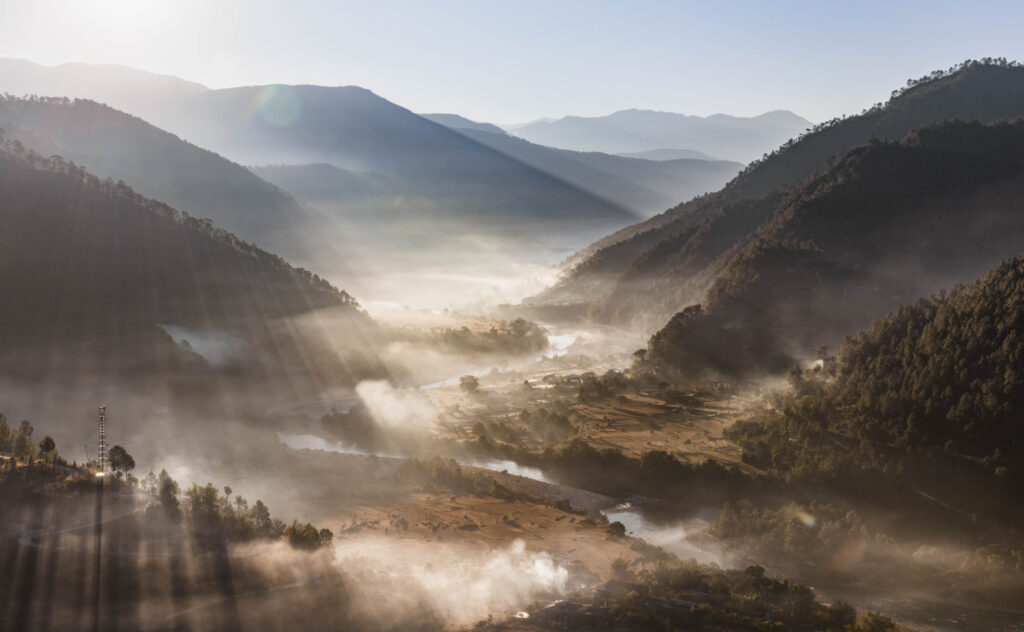
Bhutan, the Land of the Thunder Dragon, seamlessly blends ancient spirituality with breathtaking Himalayan landscapes.
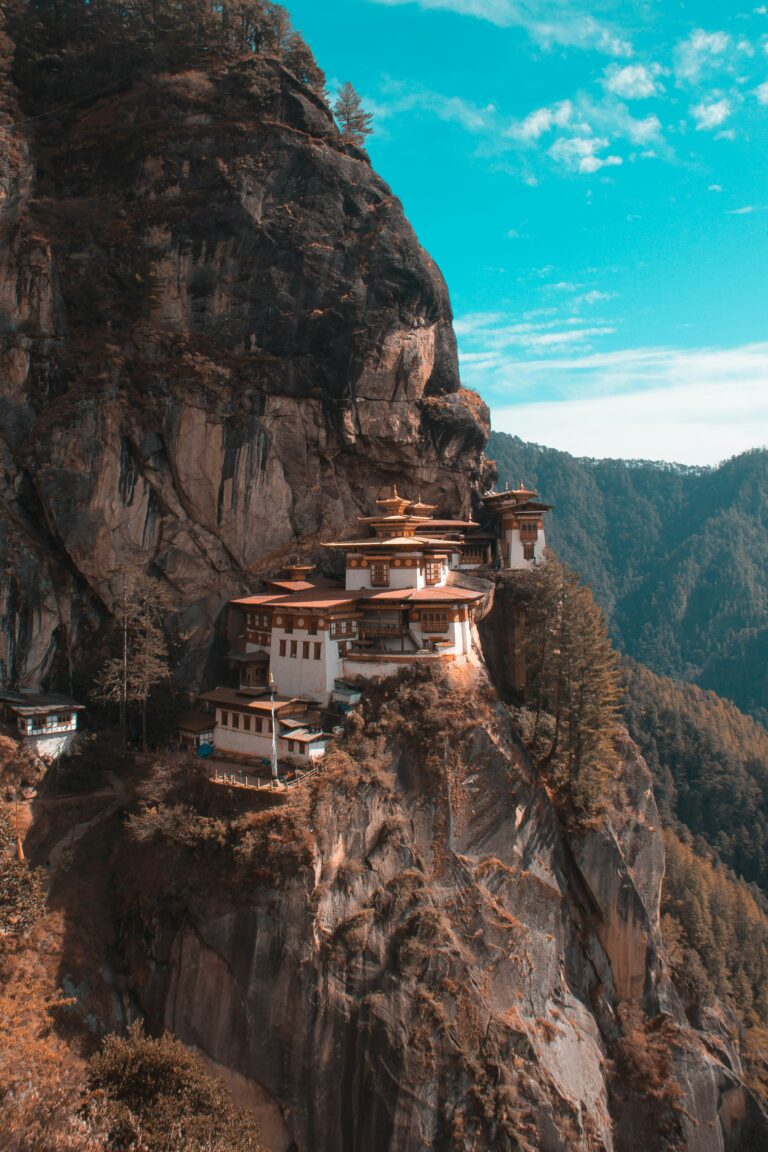
From the fortress-monasteries (Dzongs) of Punakha to the cliffside marvel of the Tiger’s Nest, Bhutan offers a mesmerizing mix of pristine nature, vibrant Buddhist culture, and a unique philosophy of Gross National Happiness. With its untouched forests, masked dance festivals, and serene valleys, Bhutan enchants travelers with its purity, peace, and profound authenticity.
Top Cities/Regions to Explore
Paro ValleyHanoi
Gateway to Bhutan featuring the iconic Tiger’s Nest Monastery and the National Museum.
Thimphu
The modern yet traditional capital home to the massive Buddha Dordenma and Tashichho Dzong.
Gangtey (Phobjikha Valley)
Glacial valley famous for its scenic beauty and winter home of the rare Black-Necked Cranes.
Punakha
Historic former capital with the majestic “Palace of Great Happiness” located at the confluence of two rivers.
Bumthang
Spiritual heartland of Bhutan comprising four valleys filled with ancient temples and sacred sites.
Key Cultural and Historical Highlights
Cultural Practices
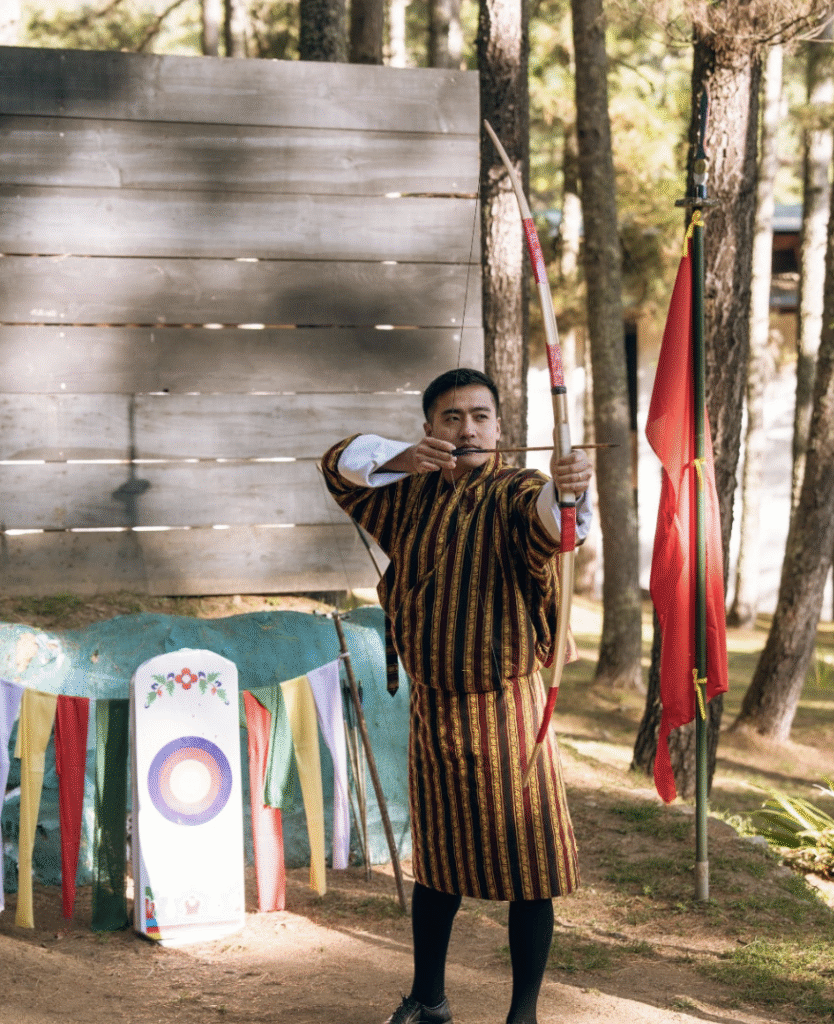
Bhutanese wear national dress (Gho for men, Kira for women) in public.
Gross National Happiness (GNH) guides policy over GDP. Archery is a passionate community obsession.
Major Festival
- Paro Tshechu (Spring) and Thimphu Tshechu (Autumn) are the biggest, featuring masked dances.
- Black-Necked Crane Festival (November) celebrates the arrival of sacred birds in Gangtey
Seasonal Connection
Tshechus (festivals) are timed by the lunar calendar, often falling in peak Spring/Autumn seasons. Winter is distinct for crane festivals.
UNESCO Sites
While Bhutan has tentative list sites (like Dzongs and Sacred Sites), its entire landscape is a protected cultural heritage zone.
Unique Experiences
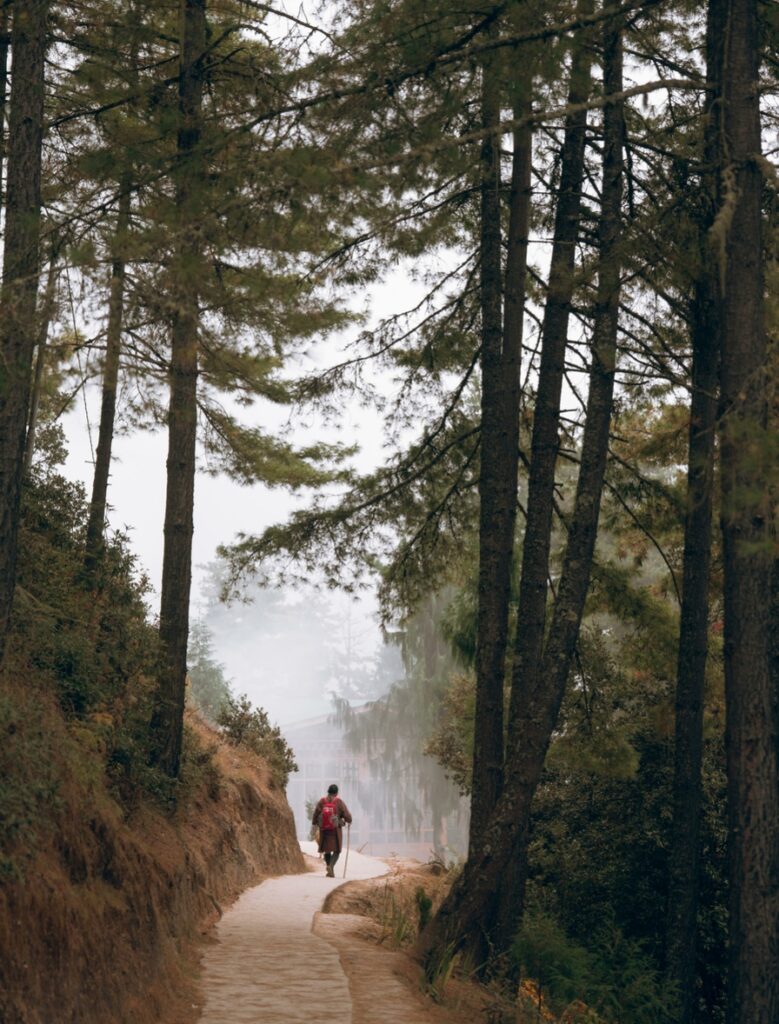
Hike to Tiger’s Nest (Paro Taktsang)
Trek up sheer cliffs to Bhutan’s holiest monastery, clinging precariously 900 meters above the valley floor.
Archery Match (Datse)
Watch locals compete in the national sport, celebrating hits with songs and dances in traditional dress.
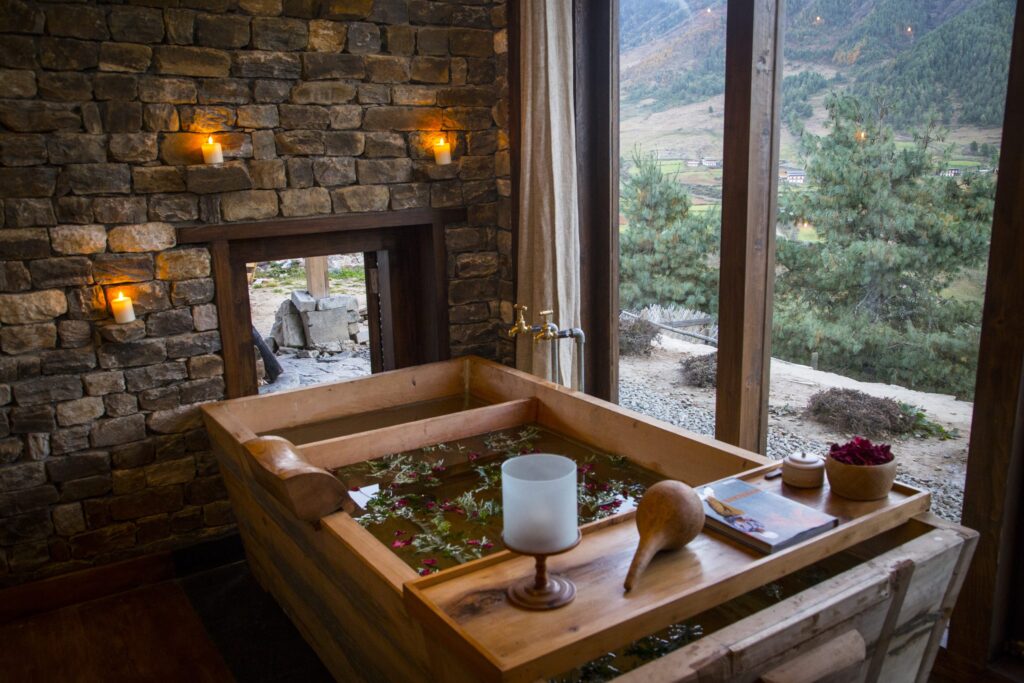
Hot Stone Bath (Dotsho)
Soak in mineral-rich water heated by red-hot river stones to relax muscles after trekking.
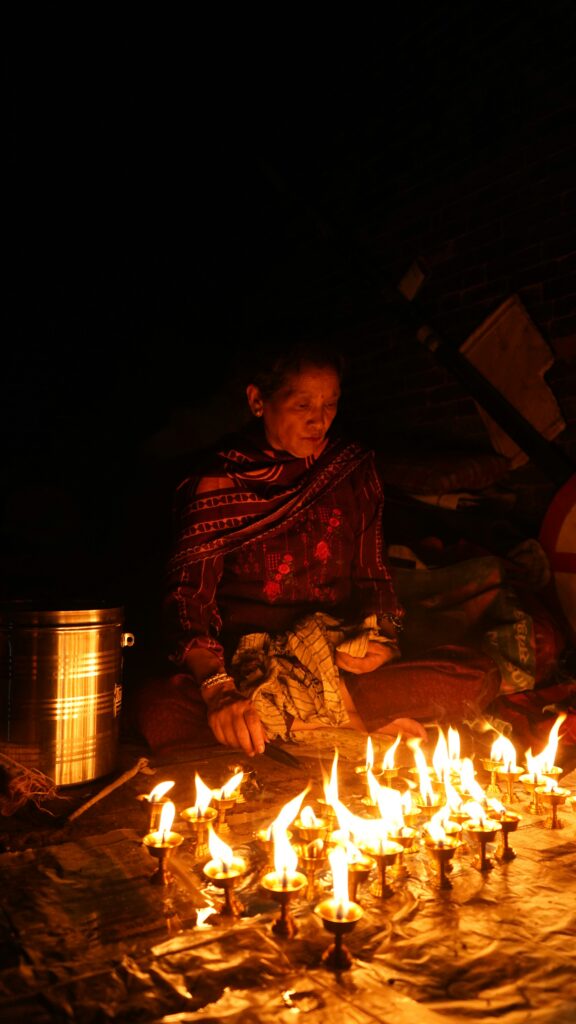
Butter Lamp Offering
Light a butter lamp in a monastery to make a wish and gain merit.
Signature Food
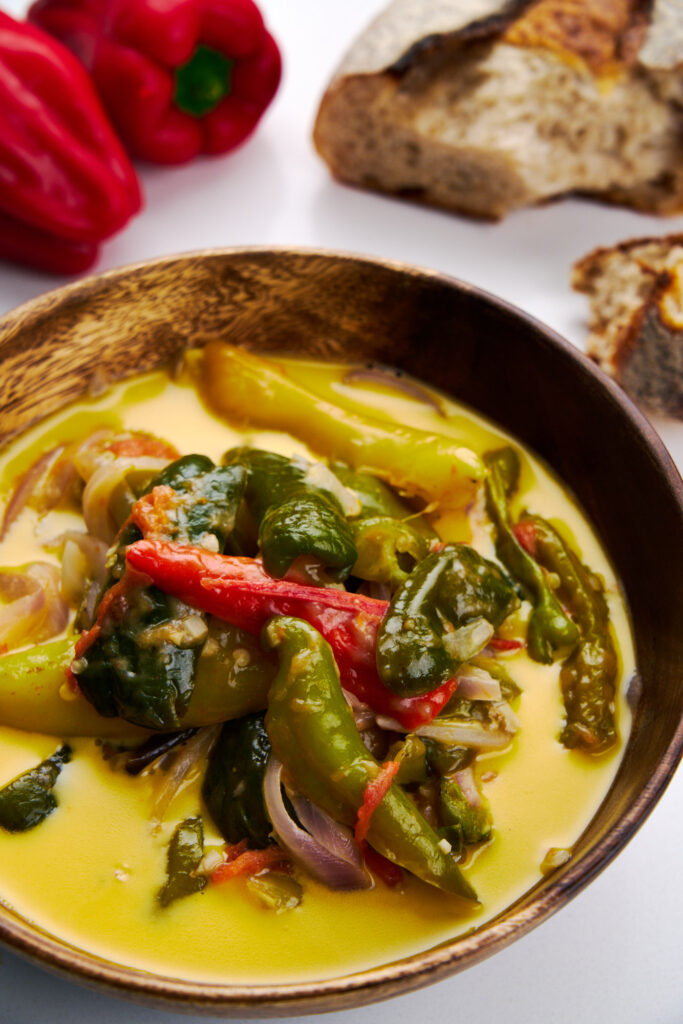
Ema Datshi
Spicy stew of chili peppers and local cheese; the national dish.
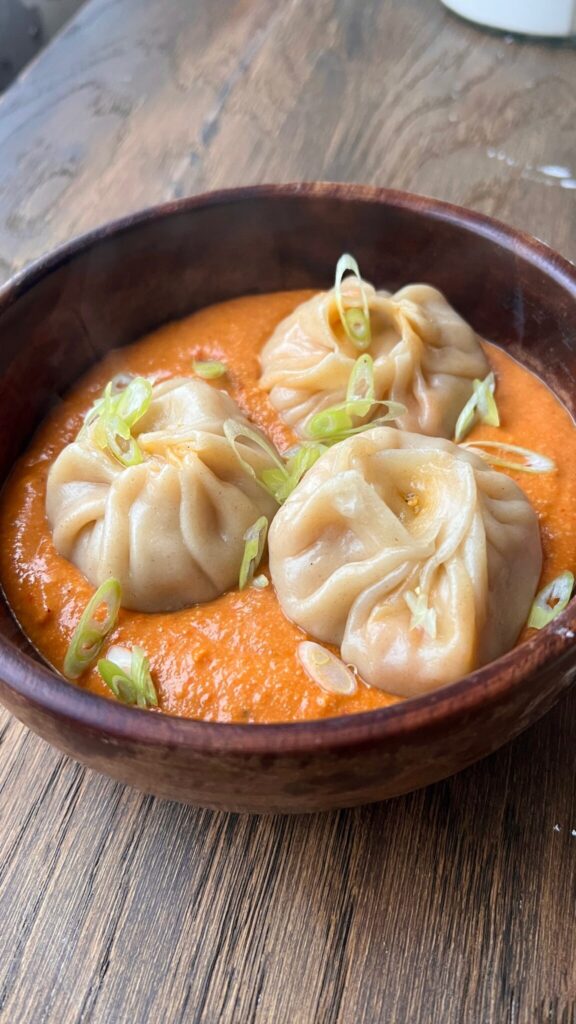
Momos
Steamed or fried dumplings filled with pork, beef, or cheese.
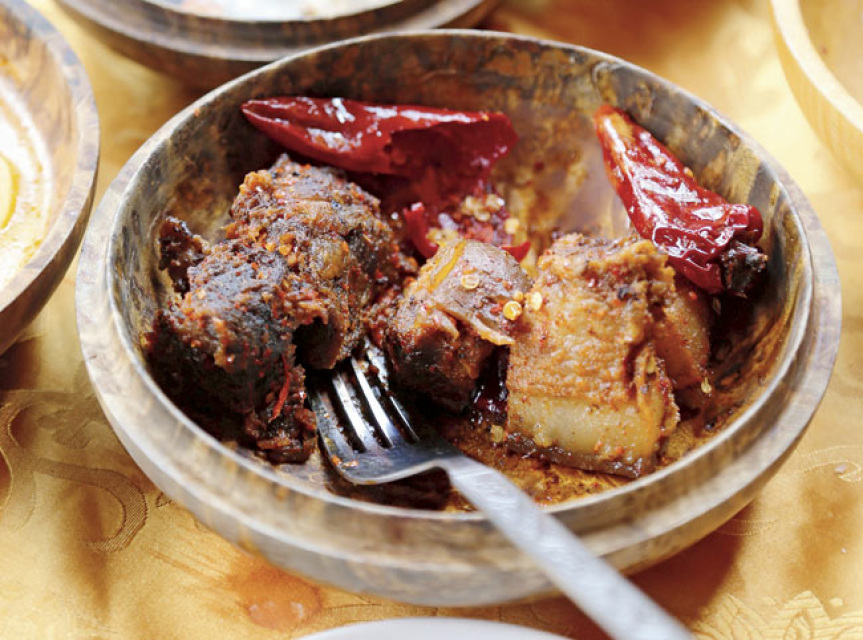
Phaksha Paa
Pork cooked with spicy red chilies and radishes.
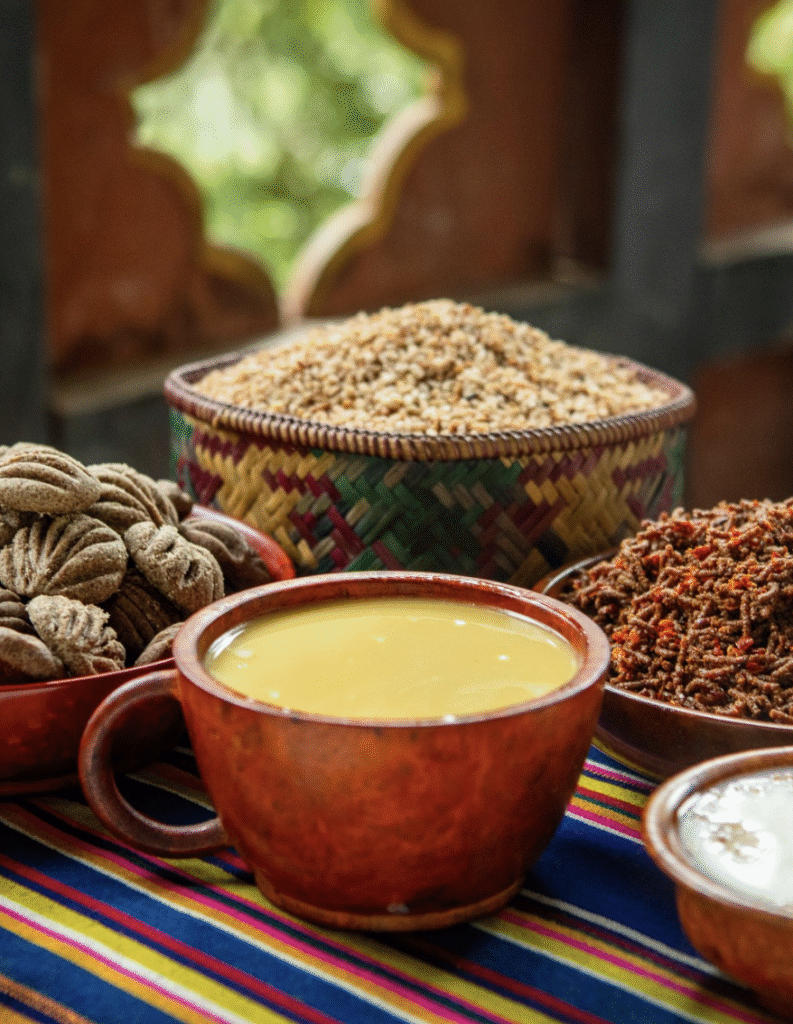
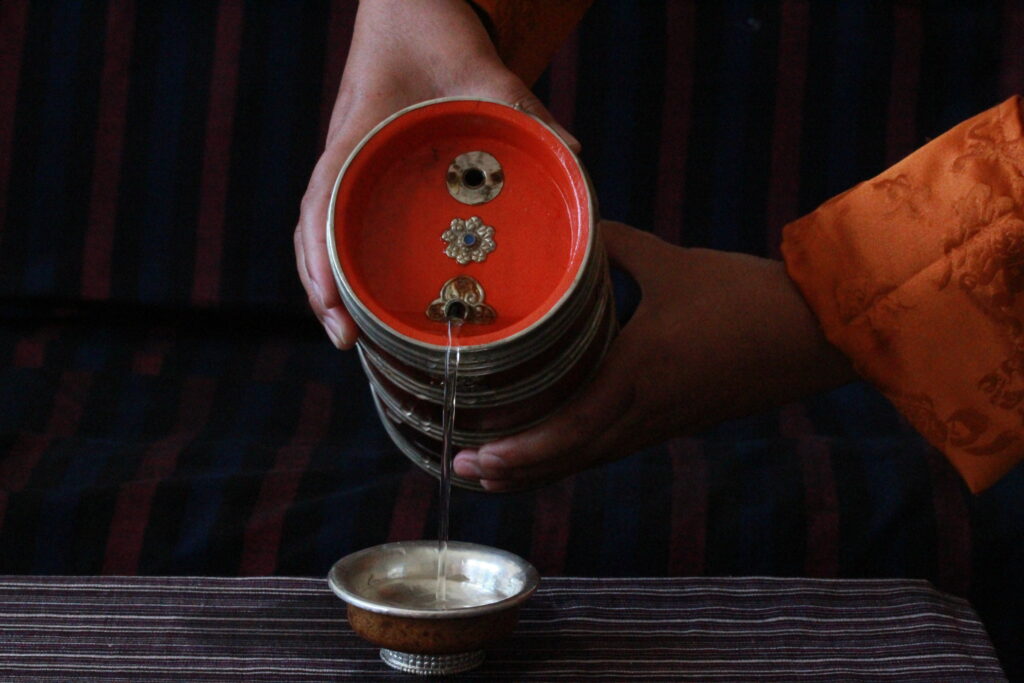
Suja (Butter Tea)
Savory tea churned with salt and yak butter.
Ara
Traditional fermented rice or wheat wine, often served warm.
Sample Itineraries
5-Day Bhutan Highlights Tour
(Paro & Thimphu)
A magical glimpse into the Dragon Kingdom, covering the vibrant capital and the iconic Tiger’s Nest.
- Hike to the legendary Tiger’s Nest Monastery.
- Marvel at the gigantic Buddha Dordenma statue.
- Explore the majestic Tashichho Dzong.
- Experience traditional Bhutanese arts and markets.
Day 1: Arrival & Thimphu
- Arrive Paro; scenic drive to Thimphu.
- Visit Tashichho Dzong and the National Memorial Chorten.
Day 2: Thimphu Culture
- Buddha Dordenma (Great Buddha Dordenma) for valley views.
- Folk Heritage Museum and Motithang Takin Preserve (national animal).
- Drive back to Paro.
Day 3: Tiger’s Nest Hike
- Morning hike to Taktsang Monastery (Tiger’s Nest).
- Lunch at the cafeteria with monastery views; descend.
- Relax with a traditional hot stone bath.
Day 4: Paro Valley
- Visit Rinpung Dzong and the National Museum.
- Try your hand at archery and visit a traditional farmhouse.
Day 5: Departure
- Transfer to Paro International Airport for departure.
6-Days Tour - The Living Kingdom
A thoughtfully paced journey through the Eastern Himalayas, blending iconic monasteries, scenic nature walks, and immersive cultural encounters like farmhouse visits and traditional rituals.
- Hike to the legendary Tiger’s Nest Monastery clinging to a cliffside.
- Cross the scenic Dochula Pass with panoramic Himalayan views.
- Experience authentic Bhutanese life with a farmhouse visit and cooking demonstration.
- Explore the majestic Punakha Dzong and the capital city, Thimphu.
Day 1: Arrival & Thimphu
- Arrive Paro; scenic drive to Thimphu with a stop at Chuzom river confluence.
- Check-in at Pelyang Boutique; leisure walk along Thimphu’s main street.
- Optional – evening lecture on Gross National Happiness or Buddhism.
Day 2: Thimphu Culture & Nature
- Visit massive Buddha Dordenma statue; hike the Buddha Nature Trail to Changangkha Lhakhang.
- Explore Kaja Throm farmers market and Simply Bhutan living museum.
- Visit Trashichhoedzong fortress; overnight at Pelyang Boutique.
Day 3: Thimphu to Punakha
- Drive over Dochula Pass (3,080m) with 108 chortens; hang prayer flags.
- Cooking demonstration and picnic lunch by the riverside.
- Explore Punakha Dzong and walk the Suspension Bridge; overnight at RKPO Green Resort.
Day 4: Punakha to Paro
- Walk to Chimi Lhakhang (Temple of Fertility); drive back to Paro.
- Traditional lunch at a Bhutanese farmhouse interacting with locals.
- Visit Rinpung Dzong and stroll Paro town; overnight at Kaachi Grand.
Day 5: Tiger’s Nest & Culture
- Hike to Taktsang Monastery (Tiger’s Nest); lunch with monastery views.
- Visit 7th-century Kyichu Lhakhang temple.
- Evening cultural show with mask dances; optional Hot Stone Bath.
Day 6: Depart Paro
- Morning at leisure to soak in the valley atmosphere.
- Transfer to Paro International Airport for departure.
Day Trips and Nearby Attractions
Hakone
~1.5 hours by train
Kamakura
~1 hours by train
Yokohama
~30 minutes by train
Accommodation Highlights
Four Seasons Hotel Tokyo at Otemachi
Sky-high luxury with Imperial Palace views
Fairmont Tokyo
PAW-tastic luxury for your pet
The Peninsula Tokyo
Impeccable service, Ginza location
The Okura Tokyo
Mid-century elegance, Japanese garden serenity
Aman Tokyo
Urban sanctuary, Japanese minimalist luxury
Conrad Tokyo
Sleek skyscraper luxury, stunning bay views
Best Time to Visits by Activities
March to May (Spring)
Ideal for trekking and festivals; rhododendrons bloom, painting valleys in vibrant colors. Perfect for the famous Paro Tshechu festival.
June to August (Summer/Monsoon)
Great for lush green landscapes and fewer crowds; expect rain and leeches on trails. Good for cultural tours and seeing high-altitude wildflowers.
September to November (Autumn)
Prime for clear mountain views and trekking; crisp air and popular festivals like Thimphu Tshechu. The most popular season for photographers and hikers.
December to February (Winter)
Best for birdwatching (black-necked cranes) and clear skies; cold nights, especially in high valleys. Perfect for low-altitude hiking in Punakha and Wangdue.
Summary Notes
Spring (Mar-May) and Autumn (Sep-Nov) are the peak seasons for trekking and festivals due to clear skies and mild weather.
Winter offers crisp views and unique birdlife, while Summer is lush but wet.
Travel Practicalities
Visa and Entry Requirements
- Visa Required: All tourists (except Indians, Bangladeshis, Maldivians) need a visa.
- SDF (Sustainable Development Fee): USD 100 per person per night (reduced from $200 until Aug 2027).
- Indian Nationals: Pay SDF of INR 1,200 per person per night; entry permit required.
Currency
- Official Currency: Ngultrum (BTN)
- Pegged to INR: 1 BTN = 1 Indian Rupee. Indian Rupees (notes up to ₹500) are widely accepted.
- Cash is essential for small purchases; ATMs are available in major towns but can be unreliable.
- USD is widely accepted for tips and larger purchases.
Language
- Dzongkha is the official language
- English is Widely spoken; it is the medium of instruction in schools and used in tourism.
Local Transportation
Domestic Flight
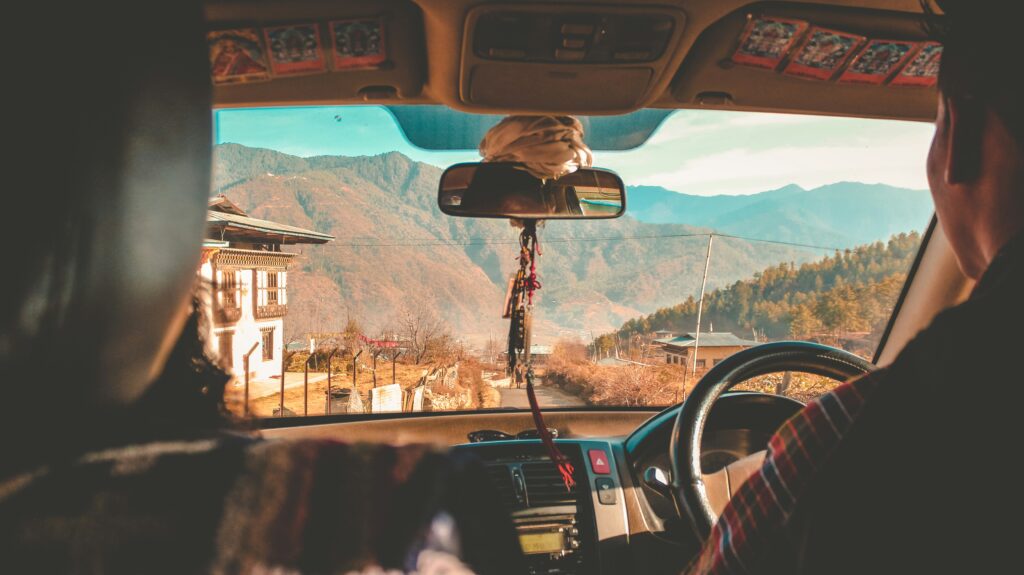
Private Vehicle
Walking/Hiking
Local Tips and Culture
Avoid making negative comments about the Royal Family, who are deeply revered.
Photography is strictly prohibited inside the prayer halls of Dzongs and monasteries. Always ask before clicking.
Wear long sleeves and pants for Dzongs and temples. Collared shirts are required for men in formal settings.
Safety and Practical Tips
Safe to explore
Bhutan is extremely safe with very low crime. Stray dogs can be noisy at night; earplugs help.
Health Precautions
Altitude Sickness: Paro/Thimphu are at ~2,300m; drink water and acclimate. Motion sickness is common on winding mountain roads.
Emergency
Police (113), Ambulance (112), Fire (110) Disaster Helpline (999)