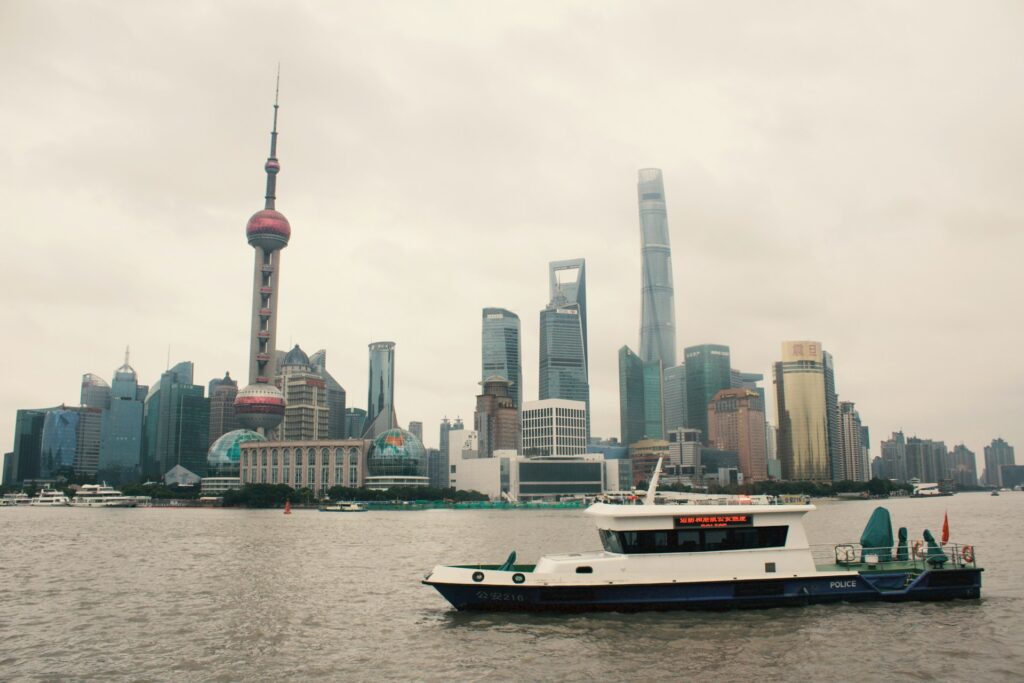
China, known as the Middle Kingdom, seamlessly bridges its millennia of imperial history with breathtaking futuristic innovation.
From the majestic Great Wall winding through ancient mountains to the dazzling skyline of Shanghai, China offers a dynamic mix of profound heritage, diverse landscapes, and boundless energy. With its grand palaces, serene water towns, and world-renowned cuisine, China captivates travelers with its scale, depth, and unforgettable wonder.
Ancient Silk Road hub home to the Terracotta Warriors and Muslim Quarter.
Shanghai
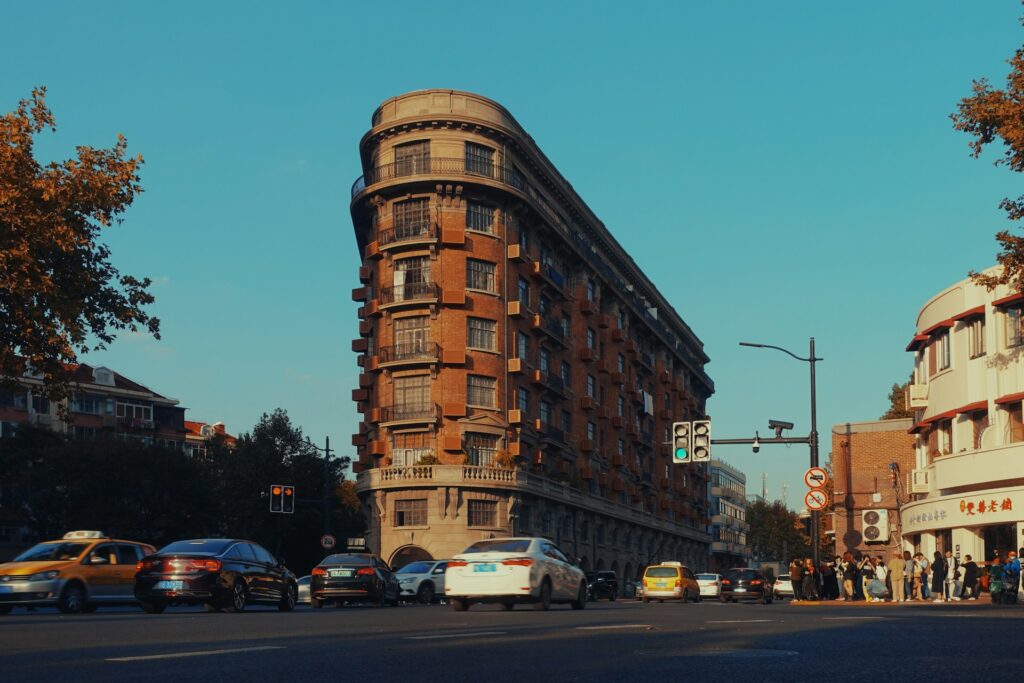
Futuristic metropolis blending colonial Bund architecture with towering skyscrapers and vibrant nightlife.
Chengdu
Laid-back city famous for giant pandas, spicy hotpot, and teahouse culture.
Lijiang
Charming UNESCO old town with cobbled streets, Naxi culture, and snow-capped mountains.
Key Cultural and Historical Highlights
Cultural Practices
Tea Ceremonies, Calligraphy, Tai Chi in parks, and Square Dancing (elderly community dance) etc.
Major Festival
Chinese New Year (Jan/Feb, grand fireworks & reunions)
Mid-Autumn Festival (Sept/Oct, mooncakes)
Dragon Boat Festival (June, races & zongzi)
Seasonal Connection
Spring (April-May): Cherry blossoms & peonies. Autumn (Sept-Oct): Golden ginkgo leaves & pleasant weather.
UNESCO Sites
Great Wall, Forbidden City, Terracotta Army, Summer Palace, Classical Gardens of Suzhou and many more.
Unique Experiences
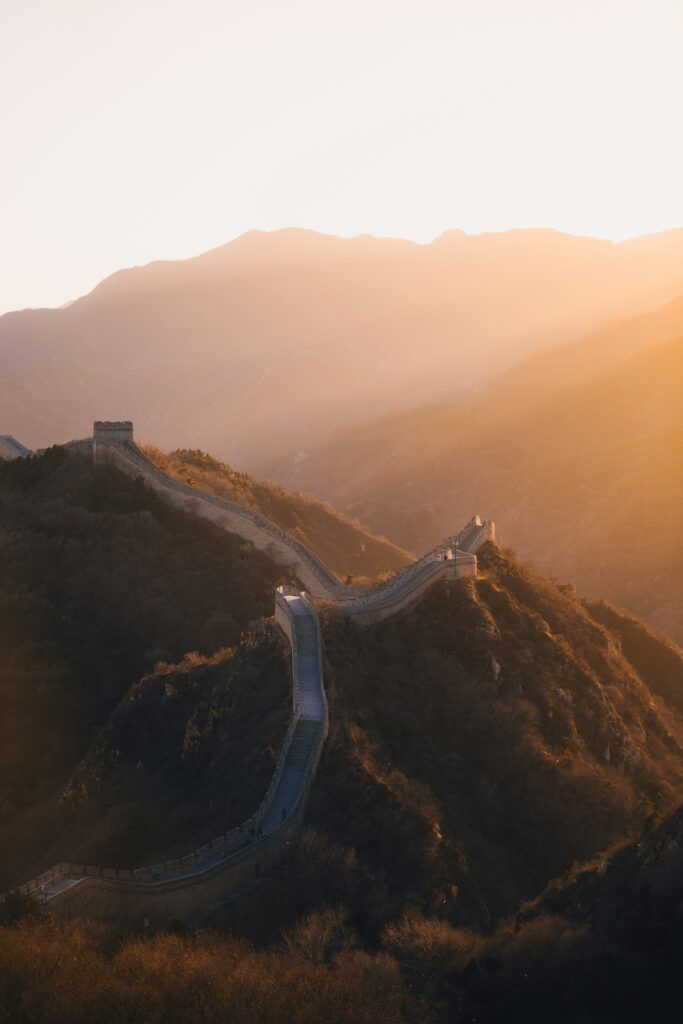
Walk the Great Wall of China
Hike the majestic stone fortifications at Mutianyu or Jinshanling for breathtaking mountain views.
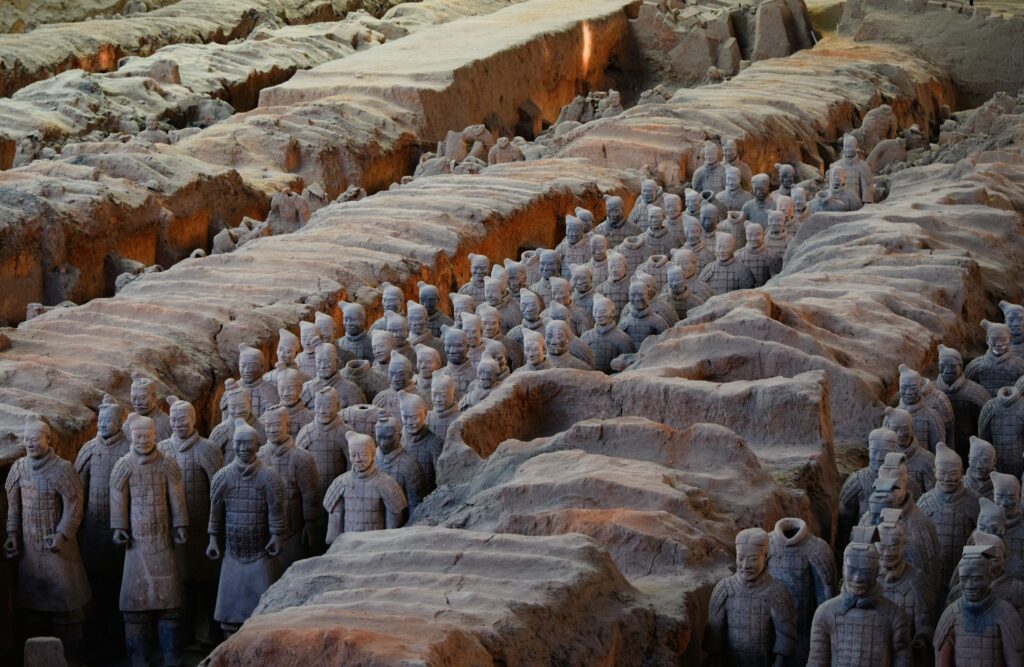
See the Terracotta Army in Xi’an
Marvel at thousands of life-sized ancient clay soldiers guarding the tomb of China’s first emperor.
Exploring Shangri-La
Immerse in Tibetan culture at Songzanlin Monastery and hike the breathtaking Tiger Leaping Gorge.
Traditional Tea Ceremony
Learn the art of brewing and tasting Longjing (Dragon Well) tea amidst the serene tea plantations of Meijiawu Village.
Signature Food
¥500–1,000
Peking Roast Duck
Crispy-skinned duck served with pancakes, cucumber, and sweet bean sauce.
¥500–1,000
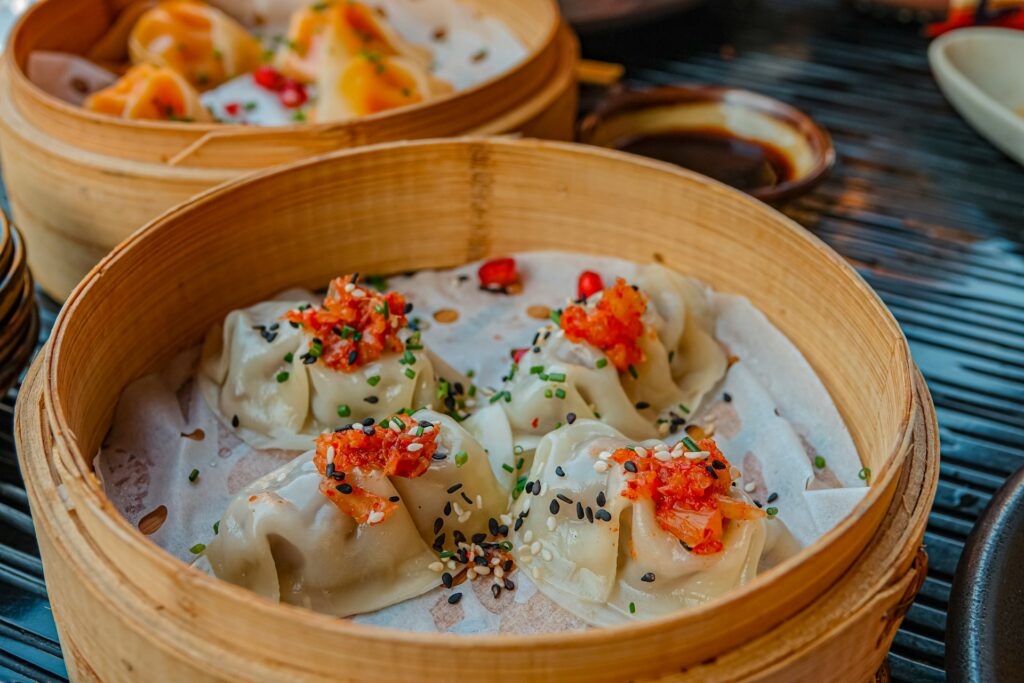
Xiao Long Bao
Delicate soup dumplings filled with juicy pork and savory broth.
¥500–1,000
Sichuan Hot Pot
Social dining with spicy broth to dip meat and vegetables.
¥500–1,000
Mapo Tofu
Soft tofu in numbing spicy sauce with minced meat and peppercorns.
¥500–1,000
Biang Biang Noodles
Thick, hand-pulled wide noodles topped with chili, garlic, and vinegar.
¥500–1,000
Dim Sum
Bite-sized steamer basket treats like shrimp dumplings and pork buns.
Sample Itineraries
5-Day Highlights of Yunnan:
Lijiang & Shangri-La
Embark on a mystical journey through northern Yunnan, moving from the charming cobbled streets of Lijiang’s Old Town to the spiritual heights of Shangri-La. This route blends UNESCO heritage sites, breathtaking gorges, snow-capped peaks, and immersive Tibetan culture.
Wander the ancient, flower-lined canals of Lijiang Old Town.
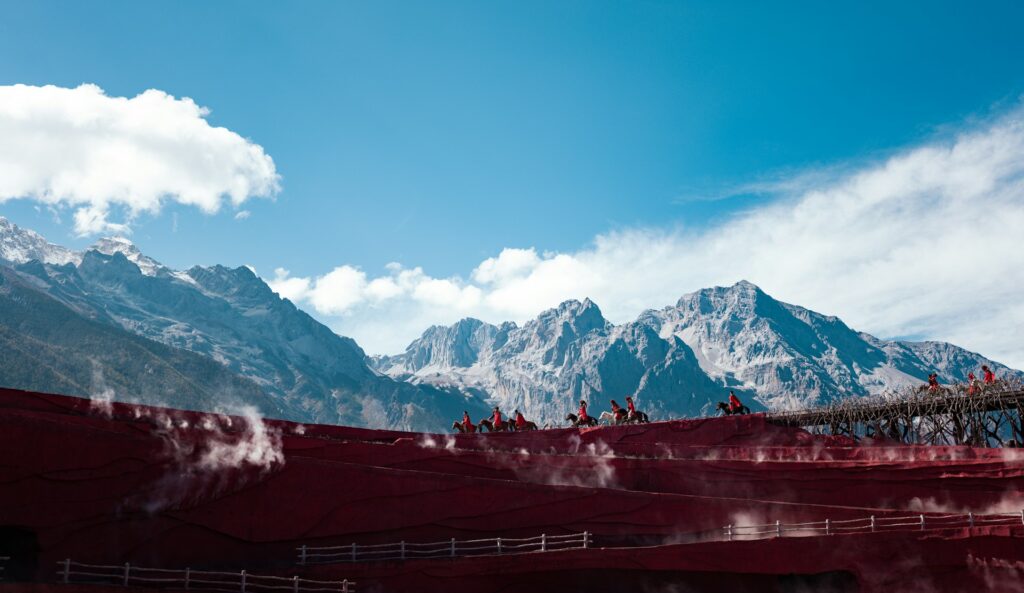
Stand before the majestic Jade Dragon Snow Mountain and its turquoise Blue Moon Valley.
Witness the raw power of the Yangtze River at Tiger Leaping Gorge, one of the world’s deepest canyons.
Spin the world’s largest prayer wheel and explore the “Little Potala Palace” in Shangri-La.
Arrival: Arrive in Lijiang; transfer to your boutique inn in the Old Town.
Stroll through Lijiang Ancient Town (Dayan), a UNESCO site famous for its water wheels and Naxi architecture.
Climb Lion Hill to Wangu Pavilion for a panoramic sunset view of the tiled rooftops. Enjoy a Naxi hot pot dinner.
Day 2: Snow Mountains & Glacial Waters (Lijiang)
Take the cable car up Jade Dragon Snow Mountain (Glacier Park or Spruce Meadow) for stunning alpine views.
Descend to Blue Moon Valley, where terraced limestone lakes shimmer in turquoise hues.
Cultural Stop: Visit Baisha Village to see ancient murals and learn about traditional Naxi embroidery.
Watch the spectacular “Impression Lijiang” outdoor show (optional) or relax in Shuhe Ancient Town.
Day 3: The Great Canyon (Lijiang → Shangri-La)
Drive toward Shangri-La, stopping at the First Bend of the Yangtze River for photos.
Hike a section of Tiger Leaping Gorge (Upper Trail), witnessing the roaring river crash through the narrow canyon.
Continue to Shangri-La (Zhongdian). Check into a Tibetan-style hotel.
Walk around Dukezong Ancient Town and join locals dancing in the town square.
Day 4: Tibetan Spirituality (Shangri-La)
Visit Songzanlin Monastery (Little Potala Palace), the largest Tibetan Buddhist monastery in Yunnan.
Explore Pudacuo National Park, home to pristine lakes (Bitahai & Shudu) and grazing yaks.
Experience: Visit a local Tibetan family to taste yak butter tea and tsampa (barley flour).
Spin the giant Golden Prayer Wheel at Guishan Park for good luck.
Day 5: Highland Lakes & Departure (Shangri-La)
Cycle or drive around Napa Lake (Napahai), a seasonal wetland filled with flowers or migratory birds depending on the season.
Shopping: Pick up unique Tibetan handicrafts or silver jewelry in Dukezong.
Departure: Transfer to Diqing Shangri-La Airport for your flight to Kunming or your next destination.
7-Day China Highlights Tour
(Golden Triangle)
Experience the ultimate introduction to China by exploring its “Golden Triangle”: the imperial history of Beijing, the ancient warriors of Xi’an, and the futuristic skyline of Shanghai. This one-week journey covers UNESCO World Heritage sites, culinary delights, and the fascinating contrast between ancient traditions and modern innovation.
Walk the Great Wall of China and explore the forbidden secrets of the Forbidden City.
Stand face-to-face with the thousands-year-old Terracotta Warriors in Xi’an.
Stroll along The Bund in Shanghai to see colonial history meet futuristic skyscrapers.
Savor authentic Peking Duck, Xi’an dumplings, and Shanghai soup dumplings (Xiao Long Bao).
Ideal for seeing flowers bloom in Yunnan and exploring water towns near Shanghai; mild weather (10-23°C).
Perfect for hiking the Yellow Mountains (Huangshan) and witnessing vibrant terraced fields.
June to August (Summer)
Great for high-altitude adventures in Tibet or Qinghai and cruising the Yangtze River; hot/humid (25-35°C).
Best time for visiting grasslands in Inner Mongolia or cool retreats like Chengde.
September to November (Autumn)
Prime for colorful foliage in Jiuzhaigou National Park and clear views of the Great Wall; cool temps (15-26°C).
Excellent for Silk Road trips (Dunhuang, Turpan) before the desert gets too cold.
December to February (Winter)
Best for the spectacular Harbin Ice Festival and tropical beach escapes to Sanya; cold/dry north (-5 to 10°C).
Fewer crowds at popular sites; enjoy spicy hot pot in Chengdu to warm up.
Summary Notes
Spring and Autumn offer the most comfortable weather for sightseeing, hiking, and cultural tours nationwide. Summer is best for high-altitude trips to Tibet or river cruises, despite the heat and rain. Winter is perfect for ice festivals in the north or tropical warmth in the south, with fewer crowds at major attractions.
China’s vast geography ensures memorable experiences in every season.
Travel Practicalities
Visa and Entry Requirements
Most travelers need a visa; check if you qualify for the 72/144-hour visa-free transit policy.
Currency
Official Currency: Chinese Yuan (CNY/RMB)
Cash is rarely used; Alipay and WeChat Pay are essential (link your international card).
Language
Mandarin Chinese is the official language;
English is limited outside major hotels; translation apps (like DeepL or Baidu Translate) are crucial for tourist.
Internet
Many Western apps (Google, Instagram, WhatsApp) are not accessible; install a VPN or purchase a tourist eSIM beforehand.
Local Transportation
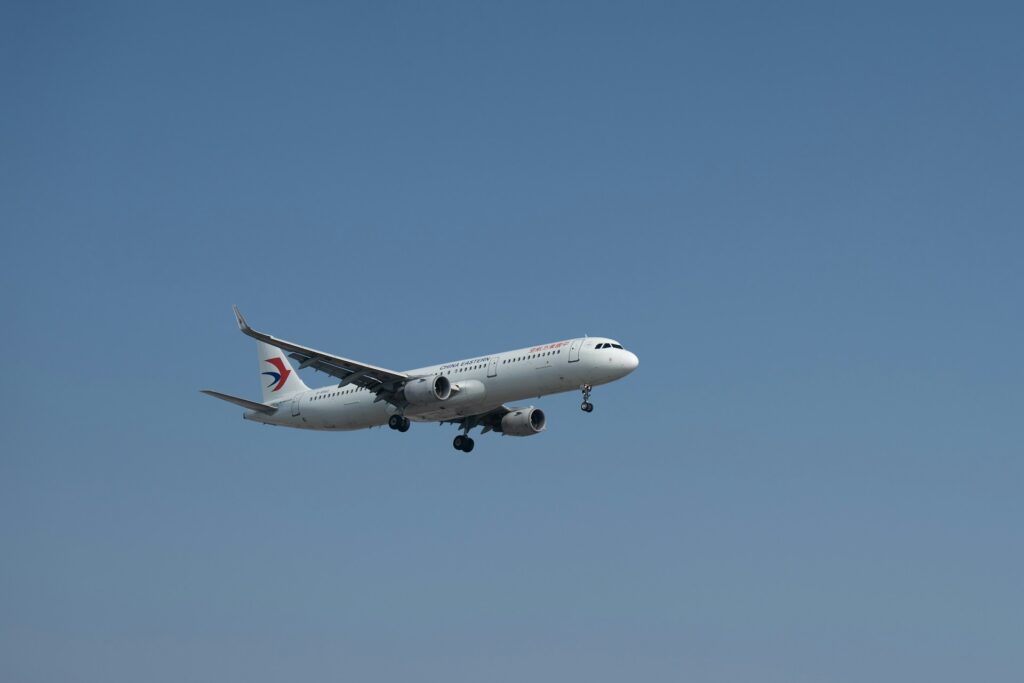
Domestic Flight
High-Speed Trains
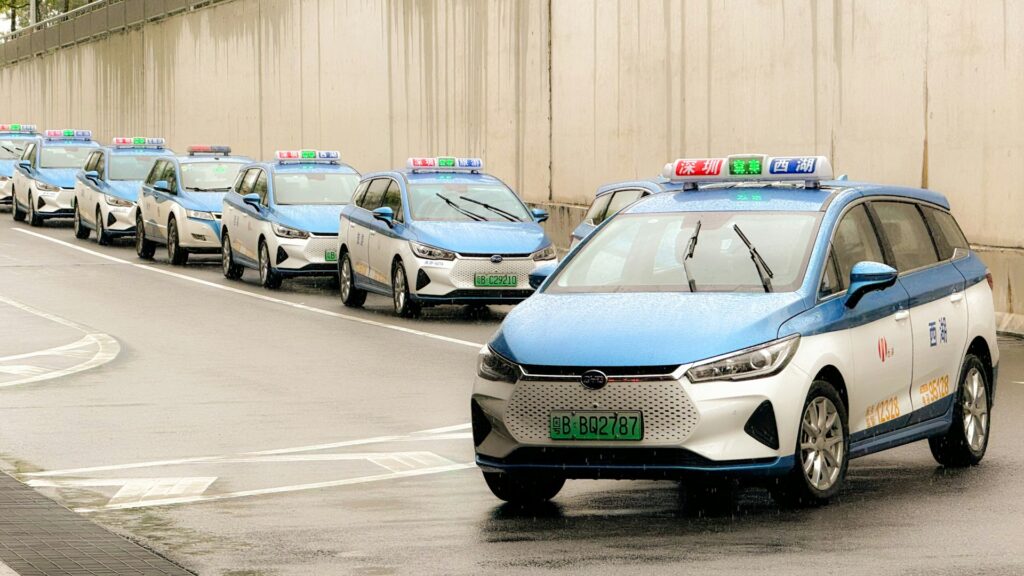
Ride-Hailing (Didi) & Taxis
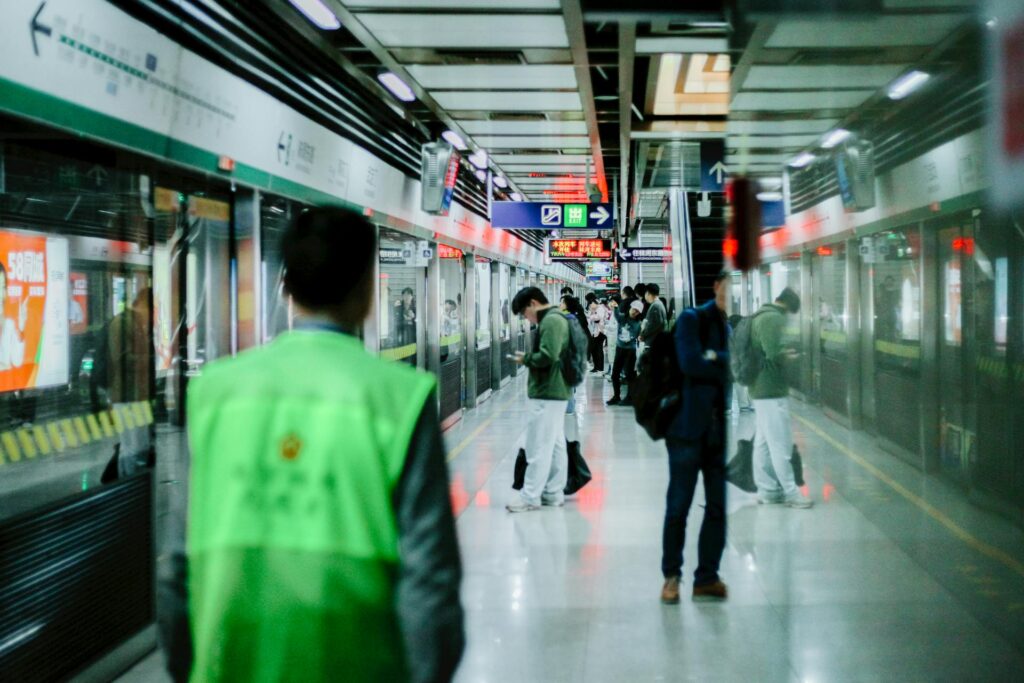
Metro/Subway Systems
Ferries & River Cruises
Local Tips and Culture
Google services are not available ; use Amap/Baidu Maps for navigation and DeepL/translation apps for communication.
No tipping required at restaurants or taxis.
Cash is rarely used; link your foreign credit card to Alipay or WeChat Pay before arrival for payments everywhere.
Safety and Practical Tips
Safe to explore
China is safe to travel; beware of minor tourist scams (e.g., tea house scams) in busy areas. Follow local rules and carry your passport.
Health Precautions
No mandatory vaccinations; bring personal medications as brands differ. Drink bottled or boiled water; tap water is generally not potable.
Emergency
Police (110), Ambulance (120), Fire (119). Save hotel address cards in Chinese to show taxi drivers or in emergencies.